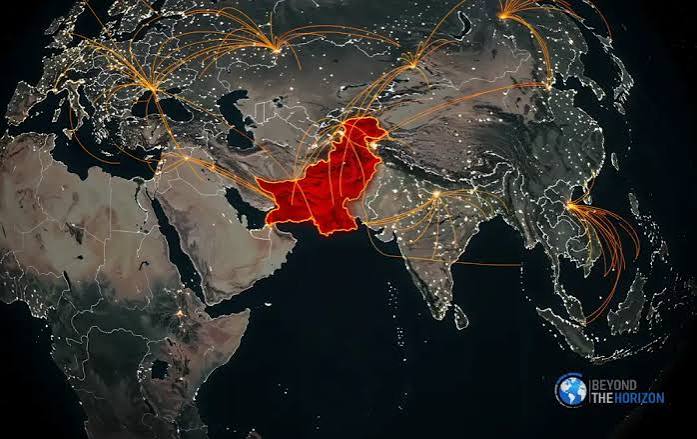
Pakistan's position within the global chemical market is shaped by two interconnected realities.
The first is geopolitical.
The second is commercial.
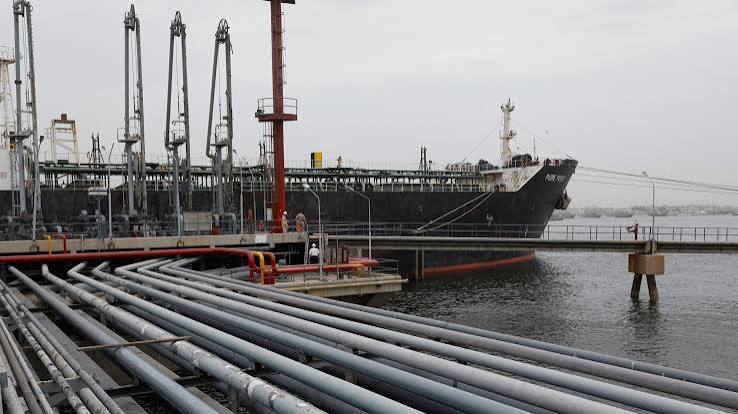
As diplomatic efforts continue across the region, Pakistan also remains heavily dependent on imported chemicals, fertilizers, petrochemicals and industrial feedstocks that move through international maritime trade routes.
For procurement professionals, these two realities are closely connected because geopolitical developments directly influence procurement conditions.
Pakistan Remains Highly Dependent on Chemical Imports
Many Pakistani industries rely upon imported raw materials to support manufacturing.
Major import categories include:
Because domestic production does not fully satisfy industrial demand, international supply continuity remains strategically important.
Procurement Teams Continue Facing Multiple Pressures
Chemical buyers in Pakistan continue operating within a challenging commercial environment influenced by several simultaneous factors.
These include:
Foreign exchange availability.
Exchange-rate volatility.
International freight costs.
Shipping reliability.
Working capital constraints.
Supplier payment terms.
Rather than a single disruption, procurement teams must manage the combined effect of these commercial pressures.
Import Costs Extend Beyond Product Prices
The total cost of imported chemicals increasingly depends upon multiple variables beyond supplier quotations.
Procurement professionals should monitor:
Understanding total landed cost provides a more accurate basis for sourcing decisions than product price alone.
Supplier Diversification Remains a Strategic Priority
The current operating environment reinforces the value of diversified sourcing.
Chemical manufacturers should periodically assess:
Regional supplier concentration.
Alternative sourcing markets.
Long-term contract coverage.
Inventory resilience.
Logistics flexibility.
Supply continuity plans.
A diversified supplier portfolio helps reduce dependence on any single trade corridor or production region.
Diplomacy and Trade Are Closely Connected
For countries with significant import requirements, diplomatic stability often supports commercial stability.
Reduced regional tensions can contribute to:
More predictable shipping schedules.
Lower logistics uncertainty.
Improved trade confidence.
Greater supply continuity.
Reduced procurement risk.
While diplomatic developments are driven by broader geopolitical considerations, procurement teams benefit from monitoring them because they influence the commercial environment in which sourcing decisions are made.
Procurement Strategy Should Focus on Resilience Rather Than Prediction
Geopolitical developments remain difficult to forecast.
However, procurement organisations can strengthen resilience regardless of how regional diplomacy evolves.
Priority actions include:
Diversifying supplier locations.
Maintaining strategic inventory for critical chemicals.
Monitoring currency exposure.
Reviewing logistics contingency plans.
Evaluating alternative shipping routes.
Strengthening supplier communication.
These measures improve supply continuity under a wide range of market conditions.
Chemical Buyers Should Monitor Both Economic and Geopolitical Indicators
Effective procurement intelligence increasingly combines commercial and geopolitical analysis.
Key indicators include:
Exchange-rate movements.
Foreign exchange availability.
Ocean freight trends.
Regional shipping conditions.
Supplier financial performance.
Energy market developments.
Trade policy changes.
Together, these factors provide a more complete understanding of procurement risk than monitoring chemical prices alone.
Pakistan's Position Highlights the Link Between Diplomacy and Supply Chains
Pakistan's role illustrates how international diplomacy and industrial supply chains can become interconnected.
For an import-dependent economy, improvements in regional stability can potentially contribute to:
Greater shipping reliability.
Improved availability of imported feedstocks.
Lower logistics uncertainty.
Stronger business confidence.
Better procurement planning.
While diplomatic initiatives are undertaken for broader political and security reasons, any improvement in regional trade conditions may also benefit industries that depend on international chemical supply chains.
Building Long-Term Procurement Resilience
Rather than responding only to individual geopolitical events, procurement organisations should continue strengthening long-term capabilities through:
Multi-country supplier strategies.
Supply chain visibility.
Structured risk assessments.
Inventory optimisation.
Scenario planning.
Cross-functional business continuity programmes.
These capabilities remain valuable regardless of future geopolitical developments.
Looking Ahead to H2 2026
Pakistan's position during H2 2026 illustrates the increasingly close relationship between geopolitics and industrial procurement. The country continues to rely heavily on imported chemicals and industrial feedstocks while operating in an environment shaped by foreign exchange constraints, global shipping conditions and regional political developments. For procurement professionals, these interconnected factors reinforce the importance of monitoring both commercial and geopolitical indicators when evaluating sourcing risk.
Although the timing and outcome of diplomatic initiatives remain uncertain, procurement strategy does not need to depend on predicting geopolitical events. Instead, organisations can strengthen resilience through supplier diversification, improved logistics planning, inventory optimisation and continuous market intelligence. These capabilities provide value across a wide range of possible market conditions.
The key lesson for H2 2026 is that procurement resilience is built through preparation rather than prediction. Companies that combine supplier intelligence, currency monitoring, logistics analysis and structured risk management will be better positioned to manage uncertainty and maintain reliable chemical supply chains regardless of how the broader geopolitical environment evolves.
Ready to source industrial and specialty chemicals from verified global suppliers with resilient international supply networks? Explore competitive offers on our platform today.