Covestro Links With Fertiglobe and MB Energy on Ammonia Imports
Covestro Links With Fertiglobe and MB Energy on Ammonia Imports
Covestro, Fertiglobe and MB Energy Explore New Ammonia Supply Route
Covestro, Fertiglobe and MB Energy have signed a Memorandum of Understanding (MoU) to explore the development of an ammonia supply chain connecting global production with industrial customers in Germany and Europe.
The agreement, announced on September 11, 2026, focuses on the potential import, storage, distribution and offtake of ammonia through a proposed MB Energy import terminal at Blumensand in Hamburg, Germany. Fertiglobe will explore supplying ammonia through the terminal, while Covestro will evaluate the potential use of the imported ammonia for industrial production and hydrogen supply requirements.
The collaboration brings together three different parts of the value chain: Fertiglobe's ammonia production and supply capabilities, MB Energy's infrastructure and logistics expertise, and Covestro's position as an industrial ammonia consumer.
Proposed Hamburg Terminal Could Create a New Import Route
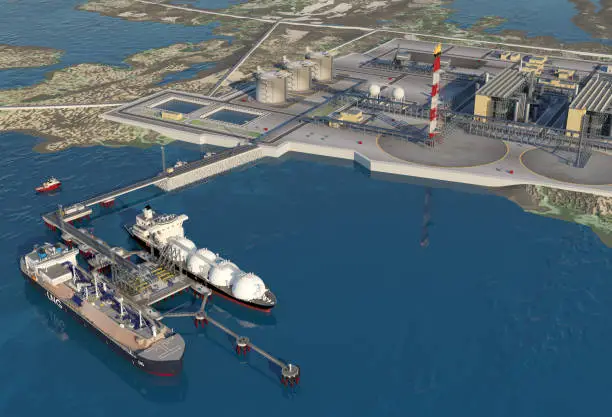
A central element of the agreement is MB Energy's proposed ammonia import terminal in Hamburg.
The facility is intended to provide infrastructure for receiving, storing and distributing imported ammonia to industrial customers.
Under the MoU, the three companies will assess the commercial, technical and logistical requirements associated with the potential supply chain. This includes evaluating:
Terminal capacity
Potential ammonia volumes
Delivery arrangements
Storage requirements
Onward transportation
Pipeline connections
Barge transportation
Rail logistics
Supply to industrial customers
The companies will also examine opportunities to serve additional customers across Germany and other European markets.
Fertiglobe to Explore Ammonia Supply and Terminal Investment
Fertiglobe will investigate the potential supply of ammonia through MB Energy's proposed Hamburg terminal.
The company will also explore the possibility of making an equity investment in the terminal, which could provide a closer connection between ammonia production and European end users.
Fertiglobe describes itself as the world's largest seaborne exporter of urea and ammonia. Its production platform has approximately 6.6 million tonnes of urea and merchant ammonia capacity, across four subsidiaries in the UAE, Egypt and Algeria.
For Fertiglobe, the proposed Hamburg route could provide another pathway to connect its ammonia production with industrial customers in Europe.
Covestro Could Become a Major Industrial Offtaker
Covestro is evaluating the potential offtake of ammonia delivered through the Hamburg terminal.
The company could use the ammonia as a feedstock for its production activities and to meet hydrogen supply requirements.
Ammonia is particularly relevant to the chemical industry because it contains both nitrogen and hydrogen. It can therefore function as an important chemical feedstock while also serving as a carrier for hydrogen.
For Covestro, access to reliable ammonia supplies is linked to the company's efforts to reduce the carbon footprint of its production activities.
The company has said that securing reliable, competitive and increasingly low-carbon ammonia is a strategic priority as it works toward its climate targets.
Conventional, Lower-Carbon and Renewable Ammonia Under Review
The collaboration is not limited to one type of ammonia.
The companies intend to evaluate opportunities involving:
Conventional ammonia
Lower-carbon ammonia
Renewable ammonia
They will also assess the carbon intensity of potential supplies and examine how different ammonia products align with applicable regulatory and certification requirements.
This is particularly relevant as European chemical manufacturers face increasing pressure to understand and reduce the carbon footprint of their raw materials.
The assessment will include requirements associated with the EU Carbon Border Adjustment Mechanism (CBAM) and relevant regulations governing low-carbon and renewable hydrogen.
Why Ammonia Is Important for the Hydrogen Economy
Ammonia is increasingly being considered not only as a chemical feedstock but also as a potential hydrogen carrier.
Hydrogen can be difficult to transport over long distances in its pure form. Converting hydrogen into ammonia provides another way of transporting and storing hydrogen before it is potentially converted back or used directly in industrial applications.
For European markets, imported ammonia could therefore play multiple roles within the energy transition.
It can be used directly in fertilizer and chemical production, while certain applications can also use ammonia as an energy carrier or source of hydrogen.
Hamburg Could Become an Important Logistics Hub
Hamburg's location and established industrial and transportation infrastructure make it relevant to the proposed supply chain.
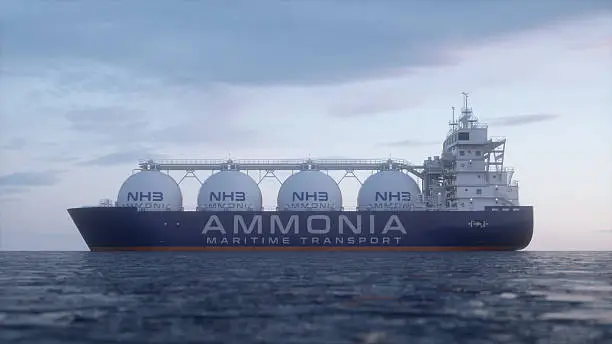
The companies are considering multiple transportation options for moving ammonia from the terminal to downstream customers, including pipelines, barges and rail.
Developing several distribution pathways could allow imported ammonia to reach different industrial locations rather than being limited to customers immediately adjacent to the terminal.
The feasibility of these connections, however, will depend on future technical, commercial and infrastructure assessments.
Strengthening Europe's Ammonia Supply Resilience
The proposed collaboration could provide an additional import route for ammonia into Germany.
Diversifying supply routes can help reduce dependence on individual sources and provide industrial customers with additional options for securing critical raw materials.
This is particularly relevant for ammonia because it is an essential input for several industrial processes and is also increasingly being considered in low-carbon energy applications.
The companies said the proposed collaboration has the potential to strengthen the resilience and diversification of ammonia supply to Germany and Europe.
Linking Global Supply With European Demand
The proposed value chain connects production in Fertiglobe's global ammonia platform with European industrial demand.
Fertiglobe has production assets in the UAE, Egypt and Algeria, while MB Energy would provide the proposed import and logistics infrastructure in Germany.
Covestro would potentially provide the downstream industrial demand for ammonia.
This creates a model in which production, import infrastructure and industrial consumption are considered together rather than developed independently.
Potential Role in Lower-Carbon Chemical Production
The environmental impact of ammonia production can vary significantly depending on the feedstock and production technology used.
Conventional ammonia is generally produced using fossil-based hydrogen, while lower-carbon and renewable ammonia can be produced using alternative hydrogen pathways and, depending on the production route, renewable electricity or carbon-management technologies.
The three companies will therefore assess different supply options based on their carbon intensity and applicable certification frameworks.
If competitive lower-carbon ammonia becomes available at sufficient scale, it could provide chemical manufacturers with another pathway for reducing the carbon footprint associated with their raw materials.
However, the actual environmental benefit will depend on the production pathway, transportation requirements, certification and lifecycle emissions of the ammonia supplied.
A Multi-Company Approach to Ammonia Infrastructure
The MoU illustrates the importance of cooperation across the ammonia value chain.
Fertiglobe brings production and international supply capabilities, MB Energy contributes infrastructure and logistics expertise, while Covestro represents potential industrial demand.
The companies will now evaluate whether these capabilities can be combined into a commercially and technically viable supply chain through Hamburg.
The agreement is currently an exploratory MoU, meaning that specific supply volumes, terminal capacity, delivery schedules and investment decisions have not yet been finalized.
What to Watch Next
Key developments to monitor include:
Progress on MB Energy's proposed Hamburg ammonia terminal
Potential investment by Fertiglobe in the terminal
Ammonia supply volumes and delivery arrangements
Covestro's potential offtake requirements
Development of pipeline, barge and rail connections
Evaluation of conventional versus lower-carbon ammonia
Potential supply of renewable ammonia
Alignment with EU CBAM and hydrogen regulations
Expansion of the supply chain to other European industrial customers
The outcome of these assessments will determine whether the proposed Hamburg-based ammonia supply chain moves from an exploratory agreement toward commercial implementation.
Conclusion
Covestro, Fertiglobe and MB Energy are exploring a new ammonia supply chain that could connect global ammonia production with industrial customers in Germany and Europe through a proposed Hamburg import terminal.
Under the MoU, Fertiglobe will assess ammonia supply and potential investment in MB Energy's proposed terminal, while Covestro will evaluate the potential offtake of ammonia for production and hydrogen-related requirements.
The collaboration will examine conventional, lower-carbon and renewable ammonia, along with the infrastructure and certification requirements needed to bring these products into European markets.
For the European chemical industry, the initiative highlights the growing importance of reliable ammonia imports, diversified supply routes, lower-carbon feedstocks and hydrogen logistics as companies adapt their supply chains for the energy transition.
Found this useful?