Covestro Weighs a Twin MDI Plant in the UAE's Ta'ziz Hub
The global polyurethane supply chain is set for a major geographic shift as Covestro explores a massive expansion in the Middle East. The company is currently conducting a feasibility study for a new methylene diphenyl diisocyanate (MDI) facility in the United Arab Emirates. This potential project targets the Ta'ziz chemicals hub and builds upon an existing strategic partnership with Fertiglobe. Procurement managers and chemical traders must evaluate the implications of this geographic diversification. A similarly scaled plant would add significant volume to the global polyurethane feedstock market. Buyers relying on isocyanates need to anticipate shifts in regional trade flows and pricing dynamics. Understanding this strategic pivot allows sourcing teams to build resilient contingency plans. Ignoring Middle Eastern capacity expansion exposes organizations to unexpected supply bottlenecks. Strategic agility remains essential for navigating these shifting investment priorities.
The Strategic Rationale Behind the Ta'ziz Hub Expansion
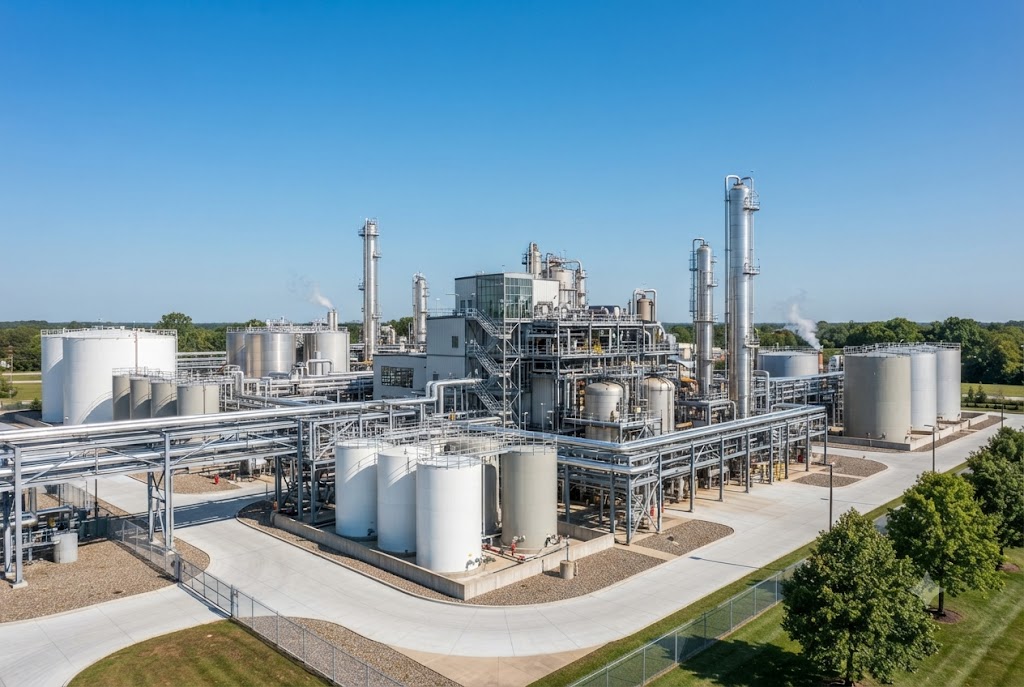
Covestro aims to capitalize on the Middle East's abundant and cost-competitive energy resources. The Ta'ziz industrial and chemicals hub in Ruwais offers world-class infrastructure. Partnering with Fertiglobe provides access to reliable feedstock and established operational expertise.
This feasibility study represents a major step toward diversifying global production footprints. European producers face severe energy cost pressures and regulatory constraints. Relocating or expanding capacity in the UAE mitigates these structural disadvantages significantly.
Buyers should view this as a long-term stabilizing factor for global supply. A major player committing to Middle Eastern production provides reliability that spot market purchases cannot match. This geographic spread reduces dependency on any single regional manufacturing hub.
Impact on Global Polyurethane Supply Chains
The addition of a similarly scaled MDI facility in the UAE would reshape international trade flows. Asia and Europe currently dominate polyurethane production. A major Middle Eastern entrant introduces a new competitive dynamic to the global market.
Procurement teams must anticipate a shift in regional pricing dynamics. Increased local production in the UAE reduces the region's reliance on imported MDI volumes. This localization strategy lowers freight costs and shortens lead times for buyers in Africa and South Asia.
Enhanced supply security for emerging markets. Localized production mitigates the risks associated with long-distance international shipping disruptions.
Potential downward pressure on global spot market prices. Increased competition from a low-cost production hub forces other manufacturers to optimize their operations.
Improved logistical efficiency for downstream foam manufacturers. Proximity to major shipping lanes accelerates delivery times for critical polyurethane intermediates.
The Role of Fertiglobe and Strategic Partnerships
The collaboration with Fertiglobe is a cornerstone of this feasibility study. Fertiglobe brings extensive experience in large-scale chemical manufacturing and ammonia production in the region. This partnership ensures a stable and cost-effective supply of essential raw materials.
Joint ventures in the chemical sector require aligned strategic visions. Both companies benefit from shared infrastructure and optimized operational costs. This synergy accelerates the development timeline and reduces capital expenditure risks.
Procurement professionals should monitor the progress of this partnership closely. Successful collaboration models often set new industry standards for efficiency. Buyers can expect highly competitive pricing structures if the project moves from feasibility to execution.
Navigating the Feasibility Study Timeline
A feasibility study introduces specific planning challenges for procurement managers. The project is still in the evaluation phase. Contracts negotiated today must account for the multi-year gap before this volume becomes commercially available.
Buyers should prioritize suppliers with existing operational capacity to meet near-term needs. Relying on future project announcements introduces significant execution risk. Regulatory approvals and final investment decisions can easily delay startup dates.
Maintaining open communication with Covestro representatives remains crucial during this development phase. Procurement teams should request regular updates on study outcomes and commissioning schedules. This transparency helps align internal production forecasts with external supply realities.
Sustainability and Green Chemistry Initiatives in the UAE
Covestro integrates sustainability goals into all major expansion strategies. The proposed Ta'ziz facility will likely incorporate the latest energy-efficient technologies. This includes advanced heat recovery systems and optimized process controls to minimize environmental impact.
The UAE government actively promotes green industrial development. The Ta'ziz hub focuses on sustainable chemical production and circular economy principles. Buyers with strict environmental mandates will benefit from these operational improvements.
Procurement teams should request detailed carbon footprint data for any new facility. Understanding the energy mix behind chemical production is becoming a standard requirement. Sourcing from facilities with verified low-carbon operations mitigates future regulatory risks.
Market Outlook for MDI Beyond 2030
The global market for MDI is projected to grow steadily through the end of the decade. Demand from the construction, automotive and appliance sectors remains robust. Regulatory mandates for energy efficiency continue to drive the adoption of polyurethane insulation.
However, the pace of capacity expansion varies significantly by region. While the Middle East and Asia add substantial new volume, European producers face severe cost pressures. This divergence will likely increase the flow of MDI exports from the UAE to other global markets.
Price volatility is expected to persist in the near term. Flexible contracting strategies help manage these regional price fluctuations. Innovation will continue to drive the development of new polyurethane applications.
What Buyers Should Do Now
Procurement leaders must act decisively to align their strategies with this potential market expansion. Conduct a comprehensive audit of your current MDI spend and supplier dependencies. Identify critical materials where limited availability poses the greatest threat to production.
Initiate immediate discussions with key suppliers regarding their long-term capacity plans. Request transparency on their maintenance schedules and allocation policies. Secure flexible long-term agreements that balance cost protection with supply reliability.
Invest in advanced market intelligence tools to monitor global chemical capacity trends. Early warning signals allow procurement teams to adjust purchasing tactics proactively. Building organizational resilience is the only reliable defense against structural market tightness.
Ready to source Propylene Oxide from verified global suppliers? Explore competitive offers on our platform today.
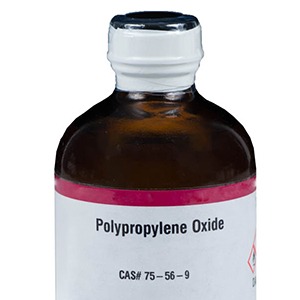
Propylene Oxide
Found this useful?