Croatia - INA Starts Up Delayed Coker Unit at Rijeka Refinery

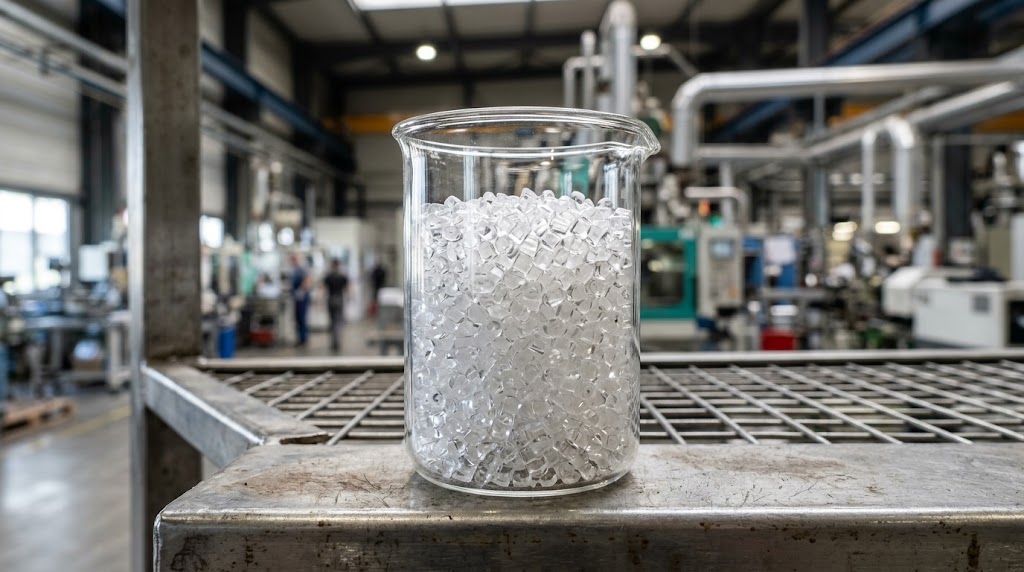
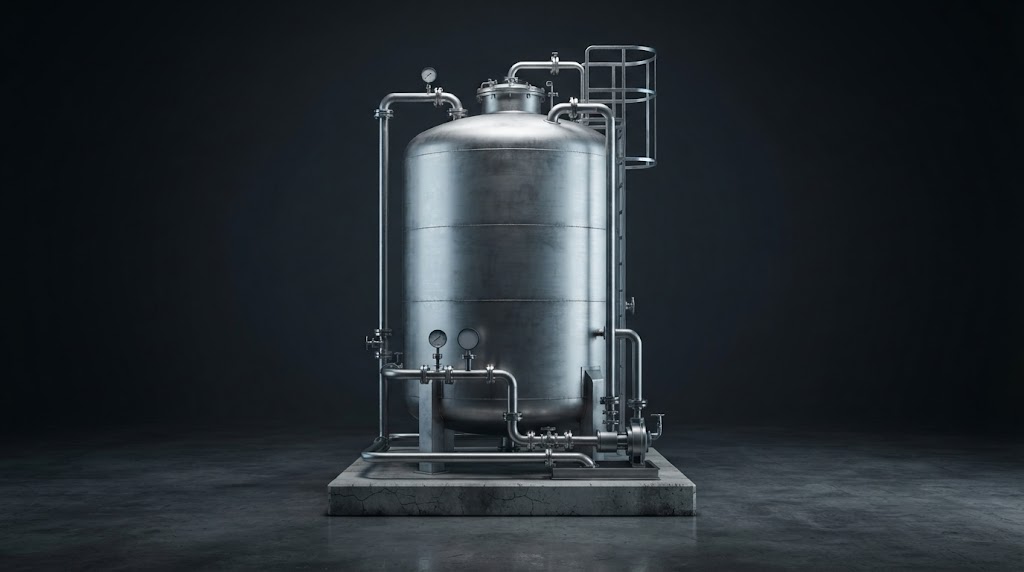
Croatia’s energy sector has reached an important milestone as INA-Industrija nafte (INA) has started up the new Delayed Coker Unit (DCU) at its Rijeka Refinery. The project represents a major step in the modernization of the refinery and is expected to strengthen Croatia’s refining capabilities while improving the production of higher-value petroleum products.
Major Step in Rijeka Refinery Modernization
The Delayed Coker Unit is part of INA’s broader refinery modernization program at Rijeka. The investment is designed to upgrade the refinery’s processing capabilities and enable it to make better use of heavier crude oil fractions.
Delayed coking is a refining process that converts heavy, lower-value refinery residues into more valuable products such as lighter hydrocarbons and petroleum coke. By adding this technology, the Rijeka Refinery can increase the amount of commercially valuable products obtained from crude oil.
The startup of the unit therefore marks an important stage in INA’s long-term strategy to improve refinery efficiency and competitiveness.
What Is a Delayed Coker Unit?
A Delayed Coker Unit is an important part of modern petroleum refineries. During the refining process, some heavy residual material remains after lighter products have been separated. Instead of treating this residue as waste or a low-value product, a delayed coker processes it at high temperatures and converts it into lighter hydrocarbons and solid petroleum coke.
The process generally involves heating heavy refinery streams and sending them into large coke drums, where thermal cracking takes place. The lighter components can then be further processed into useful fuels and other refinery products.
For a refinery, this technology can provide greater flexibility in handling different crude oil types while increasing the production of higher-value products.
Importance for Croatia’s Energy Sector
The startup of the DCU is significant for Croatia because the Rijeka Refinery is an important component of the country's energy infrastructure. Modernizing the refinery can help INA improve its ability to process crude oil and produce products that meet market requirements.
The project also supports Croatia's broader energy security objectives. A more modern and flexible refinery can contribute to a reliable supply of petroleum products for domestic consumption and regional markets.
Rijeka’s location on the Adriatic coast also provides logistical advantages. Its access to maritime transportation allows crude oil and other materials to be transported by sea, while refined products can potentially reach markets in Croatia and neighboring countries.
Higher-Value Product Production
One of the key benefits associated with delayed coking is the ability to convert low-value heavy refinery residues into more useful products.
This can improve the overall yield structure of a refinery. Instead of leaving a significant portion of crude oil in heavy residual streams, the refinery can process these materials further and recover additional valuable hydrocarbons.
For INA, this can contribute to better refinery economics and improve the competitiveness of the Rijeka facility.
A Major Investment in Refinery Technology
The DCU is part of a wider investment program aimed at transforming the Rijeka Refinery into a more modern and efficient facility. Such projects require significant investment in equipment, engineering, construction, safety systems and operational technology.
The successful startup of the unit also represents the transition from construction and commissioning activities toward regular refinery operations. Operators must carefully monitor the unit during the initial operating period to ensure stable performance and compliance with safety and environmental requirements.
Environmental and Operational Considerations
Modern refinery projects are increasingly focused on improving efficiency while meeting environmental standards. New processing technology can help refineries make more efficient use of crude oil and reduce the amount of low-value residual material produced.
At the same time, delayed coking operations require strict control of temperature, pressure, emissions and material handling. Petroleum coke and other refinery streams must be managed carefully to ensure safe and environmentally responsible operations.
INA's modernization program therefore involves not only increasing production capabilities but also upgrading the refinery's overall technological infrastructure.
What the Startup Means for INA
For INA, the startup of the Delayed Coker Unit represents an important achievement in its refinery modernization strategy. The company can now move toward making greater use of the new processing capability at Rijeka.
The project is expected to strengthen the refinery's flexibility and its ability to produce higher-value petroleum products. Over time, the improved configuration could help INA respond more effectively to changes in crude oil supply, fuel demand and regional market conditions.
Looking Ahead
The startup of the Delayed Coker Unit marks a new chapter for the Rijeka Refinery. As the unit moves into regular operation, its performance will become an important factor in determining the long-term benefits of the modernization project.
For Croatia, the development highlights the continuing importance of domestic refining infrastructure and investment in advanced energy technologies. For INA, it represents a significant step toward creating a more modern, flexible and competitive refinery.
As European energy markets continue to change, investments such as the Rijeka refinery modernization project could play an important role in helping energy companies adapt to evolving market conditions and future fuel requirements.
Conclusion
INA’s startup of the Delayed Coker Unit at the Rijeka Refinery is a significant development for Croatia’s refining industry. The new unit allows heavy refinery residues to be converted into more valuable products, while supporting the modernization and operational flexibility of the facility.
The project strengthens the technological capabilities of the Rijeka Refinery and represents a major investment in Croatia’s energy infrastructure. As the unit enters regular operation, its contribution to refinery efficiency, product production and regional energy supply will be closely watched.
Found this useful?