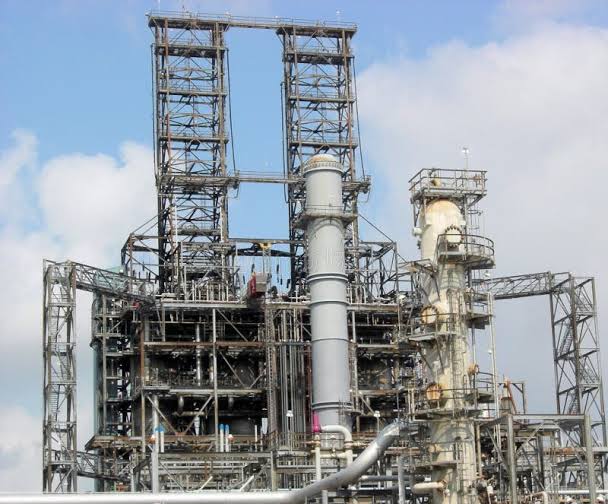
Croatia: INA Starts Up Delayed Coker Unit at Rijeka Refinery, Boosting Diesel Output
INA has brought its new delayed coker unit at the Rijeka Refinery into operation, marking a major step in Croatia's refinery modernization program. Feedstock entered the unit on September 1, 2026 and the facility has since operated continuously at approximately 70% of design capacity.
The unit changes how Rijeka can process heavy refinery residues, allowing INA to extract more valuable products from the same crude volume. For chemical and energy traders, the development matters because it can reshape regional product availability, crude purchasing patterns and demand for imported intermediate refinery streams.
The nearly EUR 700 million investment also removes the need for vacuum gas oil imports while supporting higher diesel production. INA expects the same quantity of crude to produce up to 30% more diesel once the upgraded system reaches stable full operation.
How the Rijeka Delayed Coker Changes Refinery Operations
A delayed coker converts heavy, lower-value refinery residues into lighter and more commercially valuable products. The technology gives a refinery greater flexibility when its crude slate contains heavier grades that would otherwise leave a larger share of difficult residual material.
For INA, the new unit expands the refinery's ability to process heavier crude grades. This broadens the potential supplier pool and reduces the need to depend on a narrower range of feedstocks.
The Rijeka project includes more than the coker itself. INA has also developed supporting infrastructure including a new port, storage facilities, a closed coke handling and transport system and a major new electrical substation.
These additions create a more integrated refinery and logistics system. They also support the movement and handling of the additional materials generated by higher-value residue processing.
Diesel Output Becomes a Central Market Impact
The most important commercial effect for regional fuel markets is the expected increase in diesel production. INA says the same amount of crude can yield up to 30% more diesel after the delayed coker becomes fully operational.
The refinery's installed crude processing capacity is expected to reach approximately four million tonnes per year when the upgraded facility operates at full capacity in 2027. INA has also indicated that diesel production could increase by as much as 400,000 tonnes annually.
For buyers, higher local production can reduce reliance on imported petroleum products, particularly when regional diesel demand rises. Croatia also experiences significant seasonal demand during the tourism period, making additional domestic refining flexibility commercially relevant.
The impact extends beyond Croatia. INA identifies Bosnia and Herzegovina, Montenegro and Slovenia among the key regional markets supported by its refining operations.
VGO Imports Are No Longer Required
The new delayed coker also changes INA's requirements for vacuum gas oil, commonly known as VGO. The refinery can now process heavy residues internally rather than relying on imported VGO as part of its production system.
This removes an import requirement and gives the refinery greater control over its feedstock structure. INA says the change strengthens supply security and reduces dependence on imported raw materials.
For traders, this development has several implications:
Lower VGO import demand: INA no longer needs imported VGO for the upgraded production configuration, removing one source of regional demand.
Greater crude flexibility: The refinery can consider heavier grades that previously offered less processing flexibility.
More domestic product production: Additional conversion capacity can reduce the need to source certain finished petroleum products from outside the region.
Changed trade flows: Importers and exporters may need to reassess where diesel, VGO and other refinery-related products are moving across Central and Southeast Europe.
The commercial effect will depend on how quickly the unit moves from its current operating level toward stable full-capacity performance.

INA introduced feedstock into the delayed coker on September 1, beginning production after commissioning and the transfer of operational responsibility. By September 21, the unit had been operating continuously and reached around 70% of its design capacity.
The initial operating phase has already produced all key products at the required quality, according to INA. The immediate priority now is stable, reliable operation followed by a gradual increase in throughput and process optimization.
INA expects stable operation by the end of 2026, with final performance testing to follow. This means buyers should view the current 70% operating level as part of the ramp-up rather than the facility's ultimate production position.
The timing of the ramp-up will matter to regional traders. Higher availability of refinery products could gradually change import requirements as the unit moves closer to its intended performance level.
What the Investment Means for Crude Procurement
The ability to process heavier crude grades gives INA more options when evaluating crude suppliers. A wider crude slate can allow refiners to adjust purchasing decisions according to availability, quality characteristics and commercial conditions.
For crude suppliers and trading houses, Rijeka therefore becomes a more flexible potential outlet for heavier feedstocks. The refinery's expanded processing capability can also reduce the operational penalty associated with crude grades that generate more heavy residue.
The project represents nearly EUR 700 million of investment and forms part of INA's longer modernization program. INA says it has invested EUR 1.3 billion in refining and logistics modernization over the past 12 years with support from MOL Group.
From a procurement perspective, the investment supports three connected objectives:
Broader supplier access: Heavier crude grades can now form part of a wider potential feedstock pool.
Higher-value conversion: More heavy residue can be converted into commercially valuable products.
Reduced imported feedstock dependence: VGO imports are eliminated from the upgraded production process.
These factors can give procurement teams more flexibility when balancing crude quality against delivered cost.
Regional Supply Chain Effects for Traders
The Rijeka upgrade could influence several connected markets rather than only Croatia's domestic fuel balance. Increased diesel production can affect import requirements while the elimination of VGO imports changes demand for an intermediate refinery stream.
Regional traders should therefore monitor changes in:
Diesel import volumes: Higher domestic production may reduce some requirements for imported diesel.
VGO trade flows: INA's elimination of VGO imports removes a source of regional demand.
Heavy crude sourcing: Additional processing flexibility may increase interest in heavier crude grades.
Refinery product exports: Greater output can create additional opportunities for sales into neighboring markets.
Port logistics: The upgraded refinery includes new infrastructure designed to support its expanded operating model.
The full market effect will become clearer as the unit moves through commissioning, ramp-up and performance testing.
Energy Security and Industrial Resilience
The project also has a supply-security dimension for Croatia and neighboring markets. By processing a wider range of crude and reducing dependence on imported VGO, Rijeka can keep a larger part of its production chain within its own refinery system.
INA has described the project as a way to strengthen supply security for Croatia and the wider region. The company's modernization program also aims to improve refinery profitability and operational resilience.
The investment forms part of a broader transformation of the Rijeka site. INA has separately been developing a green hydrogen production facility at the refinery, adding another component to its longer-term industrial modernization strategy.
For industrial buyers, resilience matters because supply disruptions can affect both feedstock availability and finished product costs. A refinery with more flexible crude sourcing and higher conversion capability has additional options when regional supply conditions change.
What Buyers Should Watch Through 2027
The next stage will be important for companies trading petroleum products, refinery feedstocks and related industrial materials. The key issue is how quickly the delayed coker moves from initial operation toward stable full-capacity performance.
Procurement teams should track several indicators:
Throughput progression: Movement above the current 70% level will indicate how quickly the unit is approaching normal commercial operation.
Diesel availability: Higher production could alter regional import requirements and spot purchasing patterns.
Crude sourcing: A wider range of acceptable heavy grades may create new opportunities for crude suppliers and traders.
VGO flows: The removal of INA's import requirement could influence regional trading patterns for this intermediate stream.
Regional exports: Additional production could increase the availability of products for nearby markets.
The Rijeka project therefore represents more than an increase in refinery capacity. It changes the economics of processing heavier crude and gives INA greater control over the conversion of heavy residues into higher-value products.
As the facility progresses toward full operational readiness, traders and procurement managers should pay close attention to actual production volumes, regional inventory movements and changes in import demand. These indicators will show how the refinery's new capabilities translate into physical market changes.
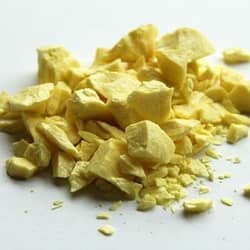
Sulphur
Found this useful?