Cumbria's Proposed 42,000-Tonne SAF Plant: What Buyers Need to Know
A proposed sustainable aviation fuel plant in Cumbria could produce around 42,000 tonnes of fuel annually while creating more than 500 construction jobs, putting the region on the map as a potential contributor to the UK's low-carbon aviation industry. Carbon Neutral Fuels plans to develop the facility at Siddick, near Workington, under its Project Starling initiative, with a public drop-in scheduled for 15 October 2026.
The proposal reflects a wider shift in aviation fuel procurement as airlines, fuel suppliers and policymakers look for ways to reduce emissions without replacing existing aircraft and airport infrastructure. For chemical traders and industrial buyers, the project also highlights growing opportunities in synthetic fuels, carbon feedstocks and the supporting supply chains required to bring alternative aviation fuels to commercial scale.
Project Starling: Cumbria's Proposed Sustainable Aviation Fuel Facility
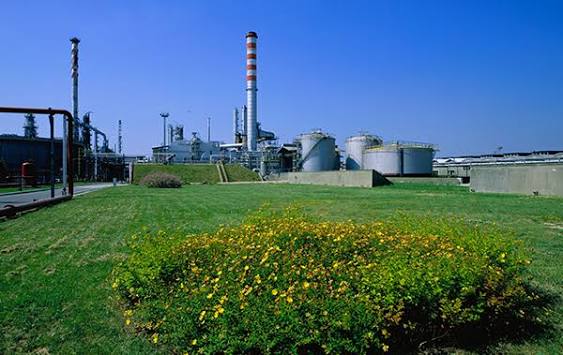
Carbon Neutral Fuels plans to redevelop a 40-acre brownfield site at Siddick, formerly associated with Eastman Chemical, into a facility producing sustainable aviation fuel (SAF). The project aims to combine advanced fuel synthesis with lower-carbon energy inputs to support domestic production.
The development carries several important regional and industrial objectives:
Annual production: The current proposal describes output of approximately 42,000 tonnes of SAF per year.
Construction employment: The project could support more than 500 jobs during the construction phase.
Long-term employment: The operating facility could create more than 150 skilled, full-time positions.
Target opening: The company aims to bring the facility into operation in 2031.
The proposed development would also return previously used industrial land to productive use. Its location near Workington and the Port of Workington could help connect local industrial infrastructure with emerging low-carbon fuel markets.
However, the immediate milestone is public consultation rather than commercial production. The 15 October event will allow residents to review early plans, speak with the project team and provide feedback as the development moves through its planning process.
How Synthetic Aviation Fuel Production Works
Project Starling focuses on power-to-liquid technology, which converts suitable carbon inputs and hydrogen into liquid fuels using energy-intensive chemical processes. Rather than relying exclusively on conventional petroleum refining, this approach combines renewable electricity, water and captured carbon dioxide to manufacture synthetic fuel components.
The proposed production chain brings together several technologies:
Hydrogen production: Electrolysis uses electricity to split water into hydrogen and oxygen. The environmental performance of the process depends heavily on the electricity source.
Carbon capture: Captured carbon dioxide provides the carbon required to build hydrocarbon fuel molecules.
Fuel synthesis: Fischer-Tropsch synthesis converts prepared feedstocks into liquid hydrocarbons that can be processed into aviation fuel components.
Fuel conditioning: Refining and quality-control stages help ensure that the resulting fuel meets the technical specifications required for its intended use.
Carbon Neutral Fuels has also explored the use of recycled wastewater and biomethane within its wider production approach. These inputs could help connect fuel manufacturing with local utilities and other industries while reducing reliance on conventional resource supplies.
The final product must meet the applicable aviation fuel specifications and sustainability requirements before airlines can use it. Buyers therefore need to assess both the manufacturing pathway and the certification status of the resulting fuel.
Why the 42,000-Tonne Capacity Matters to Aviation Buyers
A proposed annual output of 42,000 tonnes gives buyers a concrete indication of the project's intended industrial scale. Yet capacity alone does not determine how much fuel will reach the market, because production schedules, commissioning, operating performance and commercial contracts will influence actual deliveries.
For aviation fuel procurement teams, a domestic SAF producer could offer several potential advantages.
Greater supply diversification: UK production could provide an additional sourcing option alongside imported aviation fuels and SAF from other international producers. Buyers could use this option to diversify supply arrangements and reduce exposure to individual overseas markets.
Potentially shorter supply chains: Domestic production may reduce dependence on some long-distance fuel movements, although transport, storage and airport distribution arrangements will determine the actual logistics benefits.
New contracting opportunities: Airlines, fuel distributors and intermediaries could explore future offtake agreements, subject to the project's development timeline and commercial terms.
Support for decarbonisation targets: Eligible SAF can help aviation businesses meet applicable sustainability obligations and emissions-reduction objectives. The value depends on the fuel's verified lifecycle performance and regulatory eligibility.
For traders, the commercial opportunity extends beyond purchasing finished fuel. Businesses that can coordinate feedstock availability, quality assurance, transport and long-term supply commitments may find opportunities as the synthetic fuels market develops.
Carbon Feedstocks and the Supply Chain Behind SAF
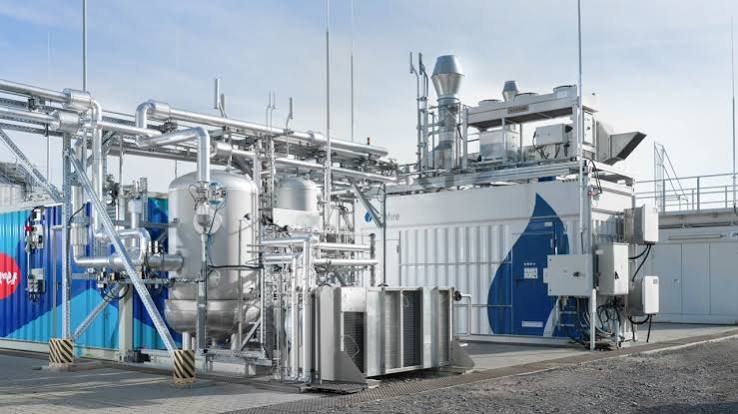
Synthetic aviation fuel production requires reliable access to several interconnected inputs. Captured carbon dioxide and low-carbon hydrogen form a central part of the power-to-liquid pathway, while electricity, water and supporting industrial services determine whether the facility can operate efficiently.
The proposed use of captured biogenic carbon dioxide could create commercial links with businesses such as distilleries and agricultural producers. These organisations may be able to supply suitable carbon streams, creating a potential revenue source from materials that otherwise require management or further processing.
Procurement teams should examine the following supply-chain requirements:
Carbon dioxide availability: Suppliers need to provide sufficient volumes with consistent quality and dependable delivery arrangements.
Hydrogen and electricity: Production economics depend on access to suitable hydrogen generation infrastructure and competitively priced low-carbon electricity.
Water and utilities: Reliable water supplies, wastewater treatment and utility connections can affect plant performance and operating costs.
Equipment and process materials: Electrolysers, catalysts, separation systems, pumps and specialist components require maintenance planning and reliable industrial supply.
Storage and distribution: Finished fuel needs appropriate storage, quality testing and transport arrangements before it reaches aviation customers.
For chemical traders, these requirements create opportunities to connect industrial suppliers with emerging fuel manufacturers. However, participation depends on technical specifications, supplier qualification and the project's procurement strategy.
What Could Drive SAF Prices and Contract Terms?
Synthetic SAF pricing reflects a different cost structure from conventional petroleum-derived jet fuel. Electricity consumption, hydrogen production, carbon sourcing, plant utilisation and capital recovery can all influence the final cost per tonne.
Renewable electricity deserves particular attention because electrolysis and fuel synthesis require substantial energy inputs. Long-term power contracts, access to suitable generation and efficient plant operation can therefore affect a producer's competitiveness.
Carbon feedstock costs also matter. A facility with dependable access to suitable captured carbon dioxide may have different cost exposure from a plant that must develop more complex collection, conditioning or transport arrangements.
Other commercial factors include:
Production scale and efficiency: Larger or more efficient operations may spread certain fixed costs across more tonnes of fuel.
Financing and construction: Capital costs, project delays and commissioning performance can affect the price required to recover investment.
Certification and compliance: Testing, documentation and sustainability verification add requirements that buyers must incorporate into procurement planning.
Offtake commitments: Long-term purchase agreements can provide revenue visibility for producers while helping buyers secure future volumes.
Policy incentives: Government support and fuel mandates can influence project economics and demand for qualifying products.
Buyers should avoid treating announced production capacity as a guarantee of available supply at a particular price. Before committing to future volumes, procurement teams should assess delivery milestones, price-adjustment mechanisms, product specifications and remedies for delayed or insufficient supply.
UK SAF Policy and Sustainability Requirements
The UK's Sustainable Aviation Fuel Mandate provides an important demand signal for eligible alternative aviation fuels. It requires SAF to account for an increasing share of aviation fuel supplied in the UK, with the mandated share set to reach 10% by 2030 and 22% by 2040.
This policy direction creates incentives for producers to develop qualifying fuel pathways and for airlines and suppliers to prepare for changing fuel requirements. However, not every product described as sustainable automatically qualifies under the mandate.
Buyers must establish that a fuel meets the relevant technical specifications and sustainability criteria. They should also confirm how the production pathway affects lifecycle greenhouse gas accounting and whether the relevant documentation supports the intended compliance claim.
For procurement managers, practical due diligence includes reviewing:
Fuel specifications and evidence of suitability for aviation use.
Feedstock origin and traceability throughout the supply chain.
Lifecycle emissions calculations and supporting sustainability records.
Applicable certification, reporting and regulatory eligibility requirements.
Contractual responsibility for maintaining compliance documentation.
These checks become particularly important when sourcing synthetic fuels across multiple jurisdictions. Regulatory recognition, certification requirements and accounting rules may differ between markets, so international buyers should assess the rules applicable to each transaction.
What the October 15 Public Drop-In Means for the Project
The public drop-in represents an opportunity for the community to review Project Starling before the development progresses further through planning. It also gives local stakeholders a chance to understand how the proposed facility could affect employment, industrial land use and regional infrastructure.
The event is scheduled for Thursday, 15 October 2026, from 3:30 pm to 7:00 pm at Cumbria Youth Alliance, The Benny Walker Centre, Longhorn Building, James Street, Workington.
The project's progress towards commercial operation will depend on several milestones beyond consultation. Planning decisions, engineering development, infrastructure connections, financing and construction will all influence the delivery schedule.
For businesses considering future supply relationships, the current stage is an opportunity to monitor the project and identify where their capabilities might fit. Suppliers of carbon feedstocks, process equipment, industrial services and fuel distribution could assess potential opportunities as the developer advances its plans.
Procurement teams should distinguish between early-stage project discussions and firm purchasing commitments. Before allocating resources or negotiating supply arrangements, businesses should seek clarity on procurement timelines, qualification requirements and the volumes the facility expects to make available under commercial contracts.
How Chemical Traders Can Prepare for the Emerging SAF Market
The growth of synthetic aviation fuel production creates opportunities for chemical traders, industrial distributors and feedstock suppliers, but entering the market requires more than identifying a potential buyer. Businesses must understand the technical requirements, traceability standards and delivery commitments that support a reliable fuel supply chain.
A practical preparation strategy includes four priorities.
1. Identify relevant supply categories. Traders can map suppliers of carbon dioxide, hydrogen-related technologies, catalysts, industrial gases and specialist process materials. Each category has different specifications and qualification requirements.
2. Build traceability into sourcing. Buyers increasingly need documentation covering material origin, quality, sustainability attributes and chain of custody. Maintaining these records can support supplier approval and downstream compliance.
3. Evaluate long-term commercial arrangements. Emerging fuel projects may require dependable supply contracts rather than occasional spot purchases. Suppliers should assess their ability to maintain consistent quality, volumes and delivery schedules.
4. Track project milestones. Planning progress, financing decisions, construction schedules and commissioning updates can help businesses judge when commercial engagement becomes practical.
Chemical traders should also assess the distinction between conventional commodity supply and specialised low-carbon feedstocks. A material's commercial value may depend not only on its chemical specification but also on its origin, production pathway and suitability for the intended process.
What Buyers Should Watch as Cumbria's SAF Project Advances
Project Starling illustrates how the transition towards lower-carbon aviation fuels can create new connections between energy producers, chemical suppliers, industrial utilities and transport operators. Its proposed 42,000-tonne annual capacity and anticipated employment benefits make it a significant development to monitor within Cumbria's industrial landscape.
For procurement professionals, the next steps are to follow planning progress, understand the project's feedstock requirements and evaluate potential commercial relationships without assuming that proposed output is already available. The ability to secure consistent inputs, demonstrate sustainability credentials and negotiate workable supply agreements will remain central to the project's commercial prospects.
As the SAF market develops, businesses that prepare early can position themselves to respond to future sourcing requirements, particularly where synthetic fuel production creates demand for specialised materials and dependable industrial supply chains
Methanol
Found this useful?