Cyclohexane: Production, Industrial Uses and Global Trade
Cyclohexane is an important petrochemical compound that connects the petroleum and aromatics industries with global nylon manufacturing. Chemical producers primarily use it as a feedstock for cyclohexanol and cyclohexanone, which serve as essential intermediates in the production of adipic acid and caprolactam. These chemicals support the manufacture of nylon fibres, engineering plastics and other industrial materials.
For chemical traders, importers and procurement managers, cyclohexane represents an important commodity within the global petrochemical supply chain. Its availability depends on benzene supply, hydrogen availability, refinery and petrochemical operations and downstream nylon demand. Understanding its production process, industrial applications and international trade considerations helps buyers evaluate suppliers, assess product specifications and plan reliable sourcing strategies.
What Is Cyclohexane and What Are Its Chemical Properties?
Cyclohexane is a saturated cyclic hydrocarbon belonging to the cycloalkane family. Its molecular formula is C₆H₁₂ and its CAS number is 110-82-7.
It appears as a clear, colourless liquid with a characteristic petroleum-like odour. Because its molecular structure contains only carbon and hydrogen atoms connected through single bonds, cyclohexane exhibits relatively stable chemical behaviour under normal conditions.
Its important physical and chemical properties include:
Molecular weight: Approximately 84.16 g/mol.
Boiling point: Approximately 80.7°C.
Melting point: Approximately 6.5°C.
Density: Approximately 0.78 g/cm³ at room temperature.
Water solubility: Practically insoluble in water.
Solvent characteristics: Compatible with several nonpolar organic substances.
These characteristics make cyclohexane useful in petrochemical manufacturing, hydrocarbon processing and selected industrial solvent applications.
How Is Cyclohexane Produced?
Commercial cyclohexane production primarily relies on the catalytic hydrogenation of benzene. This process converts an aromatic hydrocarbon into a saturated cyclic hydrocarbon through the addition of hydrogen.
1. Benzene Hydrogenation
In the conventional production route, manufacturers combine high-purity benzene with hydrogen and pass the mixture through a catalytic reactor under controlled operating conditions.
The reaction converts benzene into cyclohexane:
C₆H₆ + 3H₂ → C₆H₁₂
Industrial producers use suitable catalysts, commonly nickel or other catalytic metals, to support the hydrogenation reaction.
The process may operate in liquid-phase or vapour-phase systems depending on the production technology and plant design.
2. Separation and Purification
After the hydrogenation reaction, the resulting process stream undergoes separation and purification.
Manufacturers remove unreacted feedstock, lighter components and other impurities to obtain the required cyclohexane quality.
Product purification plays an important role because downstream chemical manufacturers require consistent feedstock specifications.
3. Petroleum Recovery
A smaller quantity of cyclohexane can also come from petroleum processing streams through fractionation and extraction.
However, benzene hydrogenation represents the principal commercial production route.
Sources: Chevron Phillips Chemical and WHO technical guidance.
Major Industrial Applications of Cyclohexane
Cyclohexane has several industrial applications, although its most significant role involves the production of chemical intermediates for nylon manufacturing. Its solvent properties also support specialised applications across coatings, adhesives and chemical processing.
1. Nylon 6 Manufacturing
One of the largest applications of cyclohexane is the production of caprolactam, the primary monomer used in Nylon 6 manufacturing.
The production chain involves converting cyclohexane into cyclohexanone, followed by oxime formation and the Beckmann rearrangement to produce caprolactam.
Manufacturers then polymerise caprolactam to produce Nylon 6, which serves several industries:
Textiles: Synthetic fibres for clothing, carpets and upholstery.
Automotive: Engineering plastic components and selected under-the-hood applications.
Industrial materials: Technical fabrics, ropes and industrial yarns.
Packaging: Specialised nylon films and packaging materials.
Consumer goods: Durable plastic components and household products.
The relationship between cyclohexane and caprolactam makes the chemical important to the global synthetic fibre and engineering plastics supply chain.
2. Nylon 6,6 and Adipic Acid Production
Cyclohexane also contributes to the production of adipic acid, an important intermediate in Nylon 6,6 manufacturing.
Industrial producers commonly oxidise a mixture of cyclohexanol and cyclohexanone, known as KA oil, to produce adipic acid.
Manufacturers subsequently combine adipic acid with hexamethylenediamine to produce Nylon 6,6.
This polymer supports applications requiring mechanical strength, durability and thermal resistance, including:
Automotive engineering components.
Industrial textile fibres.
Electrical and electronic components.
Mechanical equipment parts.
Technical plastics and specialised polymer products.
Adipic acid also serves other chemical manufacturing applications, including selected polyurethane and plasticiser-related production chains.
3. Industrial Solvent Applications
Cyclohexane functions as a nonpolar solvent in selected industrial processes.
Its ability to dissolve certain organic materials makes it suitable for applications involving resins, oils, waxes and other hydrocarbon-based substances.
Common applications include:
Paints and coatings: Used in selected lacquer and coating formulations.
Adhesives: Supports the dissolution of compatible materials in certain adhesive systems.
Rubber processing: Used as a solvent for selected synthetic and natural rubber materials.
Chemical extraction: Applied in specialised extraction operations, including essential oil processing.
Industrial cleaning: Used in certain solvent-based cleaning and surface treatment formulations.
Manufacturers select cyclohexane based on its compatibility with the target material, evaporation behaviour and process requirements.
4. Production of Other Chemical Intermediates
Cyclohexane also acts as a starting material for manufacturing other industrial chemicals.
These include:
Cyclohexanol.
Cyclohexanone.
Adipic acid.
Benzene through selected chemical conversion routes.
Nitrocyclohexane.
Cyclohexyl chloride.
These derivatives serve different manufacturing industries, including pharmaceuticals, polymers, specialty chemicals and industrial materials.
Global Cyclohexane Market and Trade Dynamics
The global cyclohexane market closely follows developments in the petrochemical and nylon industries. Because manufacturers primarily consume cyclohexane as a chemical intermediate, downstream demand has a substantial influence on purchasing requirements.
Major Production and Consumption Regions
Asia, North America and Europe represent important regions in the cyclohexane supply chain.
Asia-Pacific plays a significant role in global production and consumption, supported by its extensive petrochemical infrastructure and nylon manufacturing industry. China is particularly important because of its integrated chemical manufacturing operations and substantial downstream polyamide production.
North America has an established petrochemical industry with access to benzene, hydrogen and large-scale chemical manufacturing facilities. The region supports cyclohexane production and downstream nylon intermediate manufacturing.
Europe maintains an important chemical processing industry, with cyclohexane serving as a feedstock for nylon intermediates and selected industrial applications.
Regional production capacity, feedstock availability and downstream manufacturing requirements influence international trade flows.
Factors Influencing International Trade
Several commercial and industrial factors influence cyclohexane trade:
Benzene availability: Benzene represents the primary feedstock for commercial cyclohexane production. Changes in benzene supply can affect production economics.
Hydrogen supply: Hydrogen availability and cost influence the economics of benzene hydrogenation.
Nylon industry demand: Caprolactam and adipic acid manufacturers represent important downstream customers.
Petrochemical operating rates: Production levels at integrated chemical facilities influence available export volumes.
Freight and logistics: Shipping costs, storage availability and transport arrangements affect landed procurement costs.
Regional regulations: Import requirements, chemical safety rules and transportation regulations influence cross-border trade.
Chemical buyers should monitor these factors when planning purchases and evaluating international supplier quotations.
How Cyclohexane Moves Through the Supply Chain
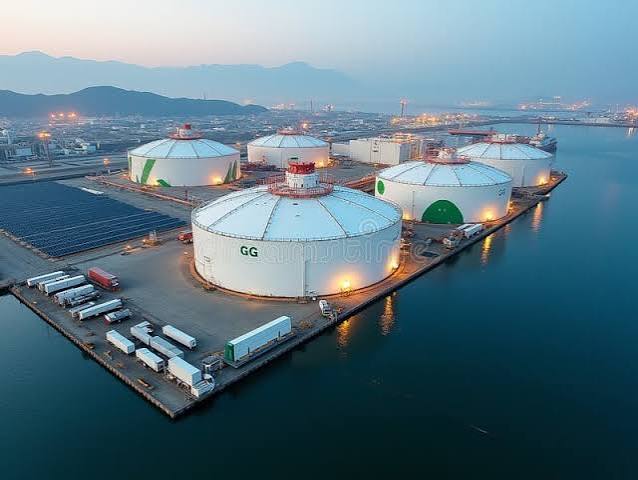
The cyclohexane supply chain generally connects benzene producers, hydrogen suppliers, petrochemical manufacturers, chemical distributors and downstream industrial consumers.
Manufacturers convert benzene into cyclohexane before supplying the material to chemical processing facilities.
Downstream producers then use it to manufacture cyclohexanol, cyclohexanone and other intermediates.
These intermediates enter the nylon manufacturing chain or other industrial chemical applications.
International shipments may move through chemical tankers, specialised tank containers, rail transport and road tankers, depending on the trade route and shipment requirements.
Important Considerations for Chemical Importers
International buyers should evaluate several factors before selecting a cyclohexane supplier.
Product origin: Understand the manufacturing source and available product traceability.
Purity specifications: Confirm the required cyclohexane assay and acceptable impurity limits.
Benzene content: Request appropriate analytical results because residual benzene can affect product suitability.
Packaging: Select compatible bulk or packaged transportation arrangements.
Documentation: Request a current Certificate of Analysis (COA), Safety Data Sheet (SDS) and relevant shipping documents.
Supplier consistency: Assess the supplier's ability to maintain product specifications across multiple shipments.
For large-volume buyers, establishing long-term supply arrangements can help improve procurement planning and reduce the risk of interruptions.
Safety, Storage and Regulatory Compliance
Cyclohexane is a highly flammable liquid that requires careful handling throughout production, storage and transportation.
Its vapours can form explosive mixtures with air, creating significant fire and explosion risks in industrial environments.
Industrial Handling Requirements
Chemical facilities should implement appropriate safety measures, including:
Maintaining effective ventilation in storage and handling areas.
Using suitable closed transfer systems to minimise vapour releases.
Keeping cyclohexane away from flames, sparks and hot surfaces.
Using appropriate grounding and bonding during transfer operations.
Selecting chemically compatible protective gloves and eye protection.
Providing suitable fire suppression and spill response equipment.
Workers should receive training on the chemical's hazards, emergency procedures and safe handling practices.
Storage and Transportation
Cyclohexane should remain in tightly closed, compatible containers within cool, well-ventilated storage areas.
Facilities should avoid ignition sources and follow applicable requirements for flammable liquid storage.
For international transportation, buyers should confirm the relevant dangerous goods classification, packaging standards and shipping documentation. Cyclohexane is generally transported under UN 1145, Class 3, Packing Group II, subject to applicable transport regulations.
Importers should also check local chemical registration, environmental requirements and workplace safety obligations before arranging shipments.
Key Factors Affecting Cyclohexane Procurement Costs
Cyclohexane purchasing decisions depend on feedstock economics, product quality, transportation expenses and regional supply conditions.
Procurement teams should consider the following factors when comparing supplier offers:
Feedstock prices: Benzene and hydrogen costs influence cyclohexane manufacturing economics.
Production availability: Plant maintenance, operating rates and production interruptions can affect supply.
Product specifications: Higher purity requirements and stricter impurity limits may influence supplier selection and pricing.
Freight expenses: Ocean freight, insurance, port handling and inland transportation contribute to the landed cost.
Order volumes: Bulk purchasing requirements and shipment sizes influence commercial negotiations.
Delivery terms: Buyers should compare quotations using consistent Incoterms to understand the actual procurement cost.
A comprehensive supplier assessment should consider product quality, delivery reliability and total landed cost rather than focusing exclusively on the initial quotation
2-Ethylhexyl Acrylate
Found this useful?