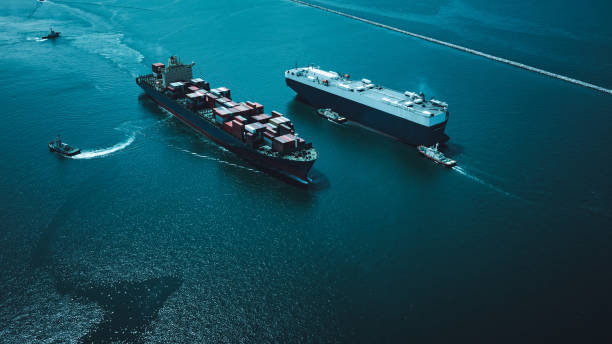
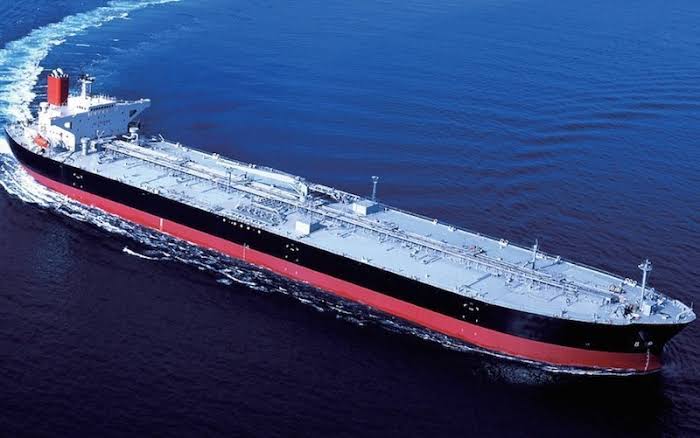
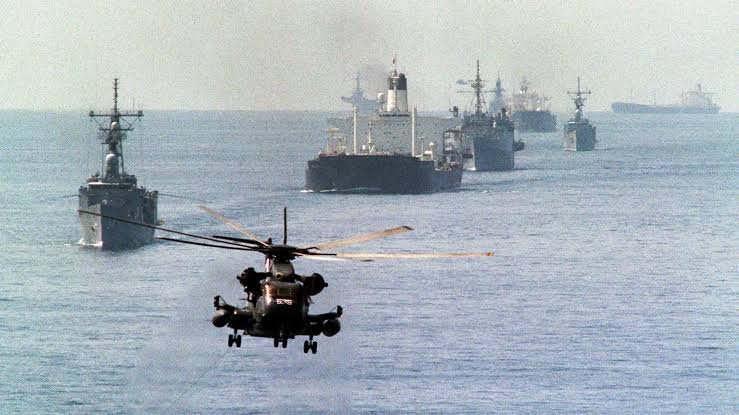
The Gulf of Oman, the Persian Gulf, and the Arabian Sea have long been pivotal maritime corridors for global trade, especially for crude oil, liquefied natural gas, and hazardous chemicals. In recent years, a new threat has emerged from beneath the surface: the dark fleet. These vessels, often unregistered or flagged under “flags of convenience,” operate in secrecy, making them difficult to trace and monitor. Their presence complicates traditional marine insurance underwriting, raising questions idir about risk, compliance, and security.
What Is Switch Dark Fleet?
A dark fleet is a collection of ships that deliberately avoid visibility in international registries, port records, and maritime surveillance. Owners may use multiple names, change flag states, or employ front companies to hide the vessel’s true ownership and operational history. Because insurers rely on accurate data to gauge risk, the hidden nature of the dark fleet introduces significant uncertainty.
Impact on Marine Insurance Underwriting
Poor Data Reliability
Underwriting hinges on historical loss data, vessel age, maintenance records, and compliance history. Dark fleet vessels often lack verifiable documentation, forcing insurers to rely on incomplete or fabricated reports.
Higher Premiums and Coverage Gaps
To compensate for the unknown variables, insurers typically increase premiums or impose restrictive clauses, such as:
Higher deductibles for heavy cargoes
Exclusion of certain geopolitical zones
Mandatory on‑board security systems
Periodic third‑party audits of ship logs
…and the risk of non‑payment if the vessel’s flag state is later discovered to be in breach of international sanctions.
Regulatory and Compliance Challenges
SANCTIONS AND EXPORT CONTROL
In the Gulf, sanctions enforcement is a critical concern. Dark fleet vessels can be used to transport goods to embargoed destinations, intentionally or unintentionally. Insurers must verify that all cargoes comply with the Office of Foreign Assets Control (OFAC) and the European Union’s sanctions lists.
Maritime Security and Port State Control
Port state control (PSC) inspections are designed to enforce safety and environmental standards. Dark fleet ships often bypass PSC checks by using deceptive documentation. This raises the likelihood of penalties, detention, or even seizure, directly affecting insurance claims.
Tanker Risk in Chemical Logistics
Hazardous Cargo умов
Transporting chemicals through the Gulf demands compliance with the International Maritime Dangerous Goods (IMDG) Code, the International Convention for the Prevention of Pollution from Ships (MARPOL), and regional regulations. Dark fleet vessels may lack proper segregation systems or emergency response equipment, increasing the probability of spills or explosions.
Risk Assessment Models
Insurers now integrate advanced analytics, such as:
Geospatial risk mapping of piracy hotspots
Machine learning algorithms that flag anomalous voyage patterns
Real‑time AIS (Automatic Identification System) monitoring with AI‑driven anomaly detection
These tools help insurers identify potential dark fleet activity and adjust underwriting accordingly.
Strategic Responses for Gulf Shipping Operators
Enhanced Transparency Measures
Operators can reduce exposure by:
Adopting a single, verifiable flag state
Maintaining a publicly accessible vessel history database
Implementing third‑party compliance audits
Using blockchain to record cargo manifests and crew credentials
Collaboration with Insurers and Regulators
Open dialogue between shippers, insurers, and maritime authorities fosters a shared risk profile. Joint task forces can track suspicious vessels and share intelligence on sanctions breaches.
Investment in Security Technologies
Deploying maritime domain awareness (MDA) systems, such as客服电话 satellite imagery and drone surveillance, helps detect vessel deviations from authorized routes. Coupled with automatic vessel identification, these systems mitigate the risk of dark fleet infiltration.