Iran's recent targeting of transponder-off tankers has exposed a critical intelligence gap in global maritime tracking systems. Analysts and chemical traders are now racing to close this visibility void before it disrupts more supply chains. The dark fleet phenomenon represents more than just regulatory evasion. It creates genuine operational risks for legitimate chemical shipments moving through contested waters. Procurement managers must understand these tracking challenges to protect their cargo from misidentification and seizure. Advanced monitoring technologies offer new ways to detect and avoid these high-risk vessels. Building better intelligence on dark fleet movements is no longer optional for chemical buyers.
The Dark Fleet Intelligence Challenge
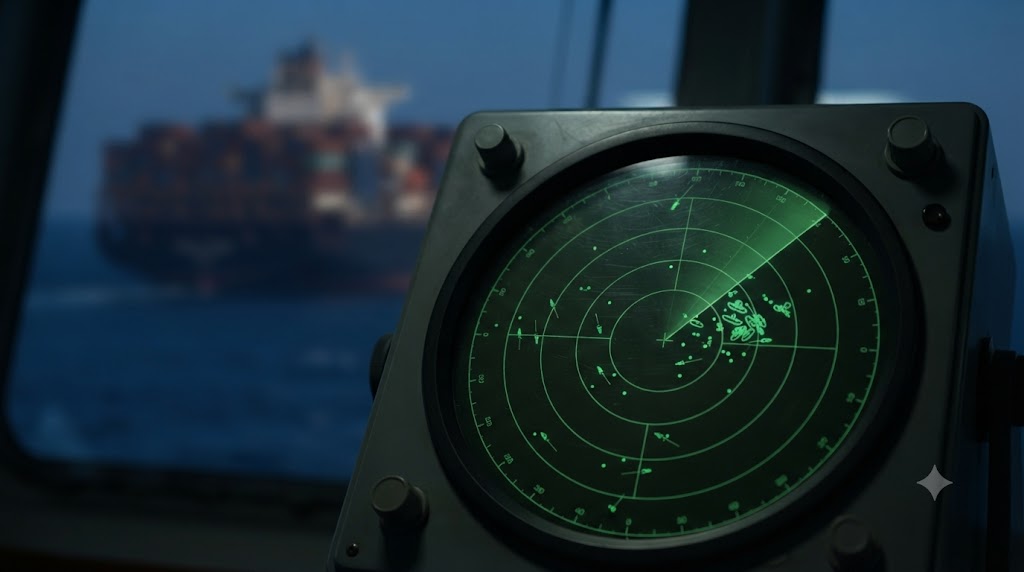
The dark fleet consists of vessels that deliberately disable their Automatic Identification System transponders. These ships operate outside standard maritime tracking networks to conceal their activities. Iran's forces struggle to distinguish between illicit oil smugglers and legitimate chemical carriers. This identification gap creates dangerous collateral risks for compliant commercial traffic.
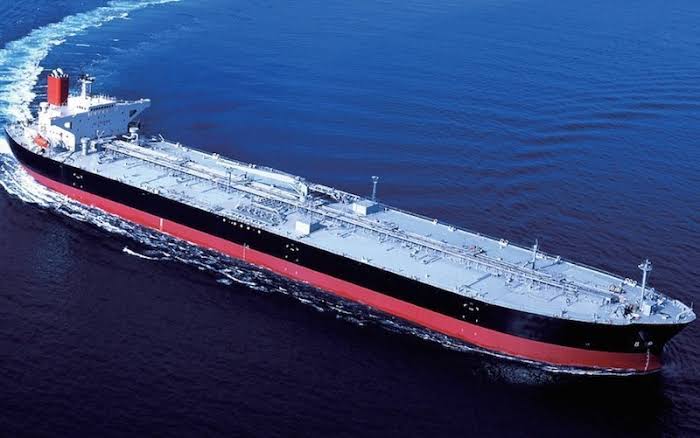
Analysts estimate hundreds of tankers worldwide regularly manipulate or disable their tracking systems. The practice has intensified since regional sanctions enforcement increased. Chemical buyers rarely interact directly with these vessels during normal operations. However, their presence in major shipping lanes creates systemic risks for all maritime commerce.
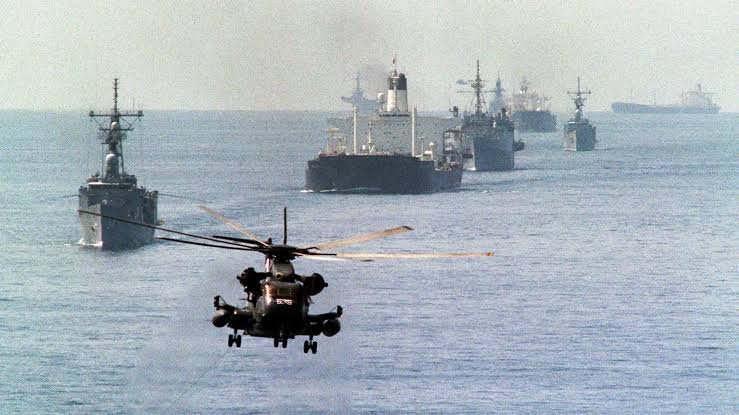
When military forces cannot verify vessel identity through standard AIS data, they may target any non-compliant ship. Legitimate carriers sometimes disable transponders temporarily to navigate congested waters or avoid piracy. This brief lapse in tracking can trigger misidentification and potential attack by regional forces.
Technology Solutions for Transponder-Off Detection
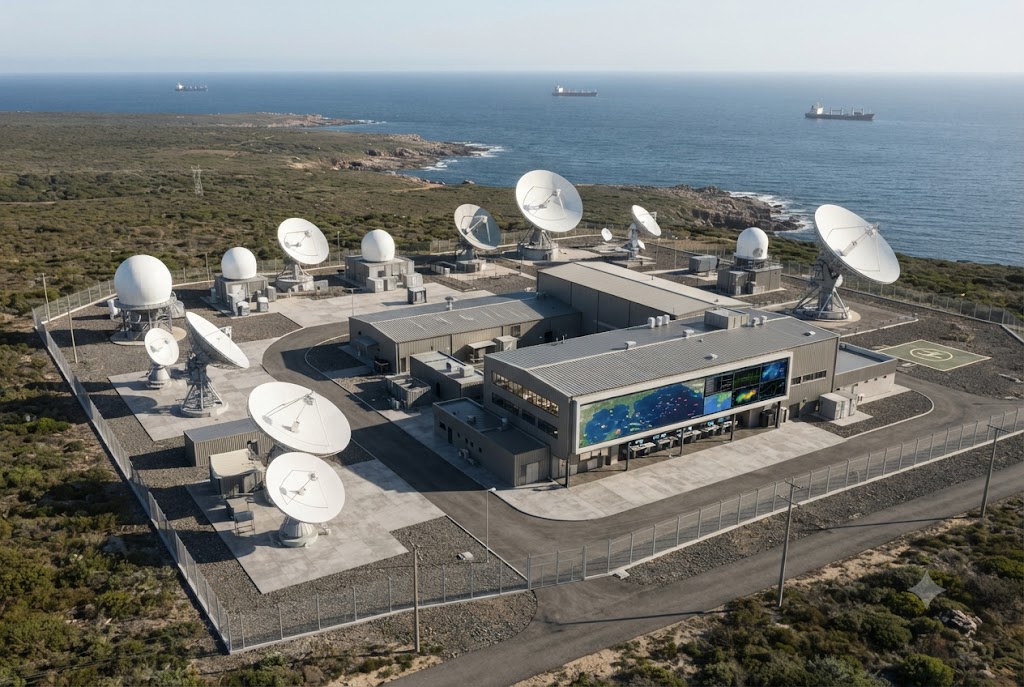
Satellite-based synthetic aperture radar systems can detect vessels even when AIS is disabled. This technology provides independent verification of ship positions regardless of transponder status. Chemical traders can now access commercial satellite monitoring services to track their cargo. These platforms alert buyers to potential dark fleet encounters before they occur.
Radio frequency fingerprinting offers another layer of detection capability. Each vessel emits unique electronic signatures from its onboard systems. Advanced analytics can identify ships attempting to spoof their identity or location. This technology helps procurement teams verify the authenticity of their contracted carriers.
Blockchain-based documentation systems create immutable records of cargo custody transfers. These digital trails provide forensic evidence if disputes arise over cargo identity. Buyers can prove their shipments maintained proper tracking throughout the voyage. This documentation is essential for insurance claims and regulatory compliance.
Building Comprehensive Vessel Intelligence Profiles
Chemical buyers must develop detailed intelligence profiles for all contracted carriers. This process goes beyond basic vessel registration checks. Procurement teams should analyze historical AIS transmission patterns for each potential supplier. Vessels with frequent transponder gaps warrant extra scrutiny before contracting.
Request complete voyage histories from shipping partners. Cross-reference these records with independent maritime databases to verify accuracy. Any discrepancies in reported positions or timing indicate potential compliance issues. Suppliers unwilling to provide transparent tracking data present unacceptable risks.
Implement automated screening systems that monitor vessel behavior continuously. These platforms flag suspicious patterns like prolonged transponder outages or route deviations. Early warning systems allow buyers to reroute cargo before entering high-risk zones. The investment in intelligence technology pays for itself through avoided disruptions.
Risk Mitigation Strategies for Chemical Buyers
Procurement teams must implement layered risk mitigation protocols to protect against dark fleet exposure. No single technology provides complete protection against these evolving threats. A comprehensive approach combines technology, due diligence and contractual safeguards.
Verify vessel identity and history. Request the specific vessel name and IMO number for your shipment. Use maritime databases to check ownership and flag state. Vessels with frequent transponder gaps warrant extra scrutiny.
Confirm insurance coverage. Require certificates of insurance naming your company as loss payee. Verify the policy covers war risk and includes no exclusions for AIS operation.
Audit supplier shipping practices. Ask potential suppliers about their carrier selection criteria. Do they prohibit dark fleet vessels? How do they verify transponder compliance?
Implement contract protections. Include warranties requiring AIS compliance throughout the voyage. Specify that cargo must travel on vessels with continuous transponder operation.
Monitor shipments actively. Use vessel tracking services to monitor your cargo position in real time. Set up alerts for any AIS transmission gaps or route deviations.
Regulatory Compliance and Due Diligence Requirements
International maritime regulations increasingly demand transparency in vessel operations. The International Maritime Organization enforces strict AIS transmission requirements for all commercial vessels. Chemical buyers share responsibility for ensuring their cargo moves on compliant ships.
Failure to conduct proper due diligence can result in severe penalties. Customs authorities may seize shipments linked to dark fleet operations. Financial institutions will freeze transactions involving non-compliant vessels without warning. The regulatory landscape continues to tighten around maritime transparency.
Procurement teams must document their vetting processes thoroughly. Maintain records of all vessel checks, insurance verifications and supplier audits. This documentation proves due diligence if authorities question your supply chain practices. Legal counsel should review all compliance protocols annually to ensure they meet current standards.
The Future of Maritime Intelligence and Chemical Trade
The intelligence gap surrounding dark fleet operations will continue to drive technology innovation. Artificial intelligence and machine learning algorithms are improving detection capabilities daily. These systems can predict vessel behavior patterns and identify potential dark fleet activity before it occurs.
Chemical buyers must stay informed about these technological advances. Early adoption of new monitoring tools provides competitive advantages in supply chain security. Companies that invest in intelligence capabilities now will maintain operational continuity during future disruptions.
Collaboration between industry stakeholders will enhance collective intelligence sharing. Information sharing platforms allow buyers to pool data on suspicious vessel activity. This collective approach creates a more comprehensive picture of dark fleet operations globally.
What Buyers Should Do Now
The targeting of transponder-off tankers marks a dangerous escalation in maritime enforcement. Chemical traders cannot afford to treat cargo tracking as an afterthought. Transparency is your primary defense against these evolving threats.
Demand complete visibility into every link of your supply chain. Work only with suppliers who share your commitment to compliant shipping practices. The cost of rigorous due diligence pales beside the risk of total cargo loss. Invest in verification systems, satellite monitoring and supplier audits now.
Building resilient sourcing networks requires decisive action before the next interception occurs. The organizations that secure transparent supply routes now will maintain production continuity. Others will face severe operational and financial consequences.
Ready to source Polyethylene Terephthalate (PET) from verified global suppliers? Explore competitive offers on our platform today.