Decarbonizing Industrial Gas Supply: The Shift to Low-Carbon Hydrogen
Semiconductor manufacturers are fundamentally altering their procurement strategies for industrial gases as sustainability mandates move to the forefront of operational requirements. A clear signal of this transition appears in the strategic moves made by major suppliers like Air Liquide. The company recently framed its new Arizona plant specifically around the supply of low-carbon hydrogen to meet the needs of regional technology hubs. This shift reflects a broader reality where carbon intensity now functions as a primary qualification metric for suppliers.
Procurement managers can no longer rely solely on traditional reliability and purity data when selecting partners for essential industrial gases. Investors and internal corporate sustainability teams are pushing firms to account for Scope 3 emissions across their entire value chain. This pressure forces gas suppliers to prioritize decarbonized production methods to remain competitive in high-growth sectors.
The Evolution of Supplier Selection Criteria
Historically, industrial buyers prioritized three factors: volume, purity and logistics reliability. Today, a fourth pillar has become essential for any major contract. Carbon credentials now dictate which suppliers receive invitations to bid on large-scale infrastructure projects.
Semiconductor fabricators operate under aggressive net-zero targets. Because their manufacturing processes require massive amounts of hydrogen, the carbon footprint of that input becomes a critical component of their own environmental reporting. Suppliers unable to provide verified low-carbon molecules risk exclusion from future procurement cycles.
This development creates a new landscape for buyers:
Suppliers must prove their carbon intensity levels through transparent reporting and third-party verification.
Companies that invest in early-stage green hydrogen or carbon capture infrastructure now secure long-term contracts more easily than traditional players.
The definition of quality has expanded to include the environmental impact of the production process itself.
Integration of On-Site Decarbonization
Large-scale consumers of hydrogen are increasingly moving away from off-site sourcing where transportation adds unnecessary emissions. Instead, many are shifting toward models that integrate production directly into the fabrication facility. This approach offers several operational advantages beyond simple emission reduction.
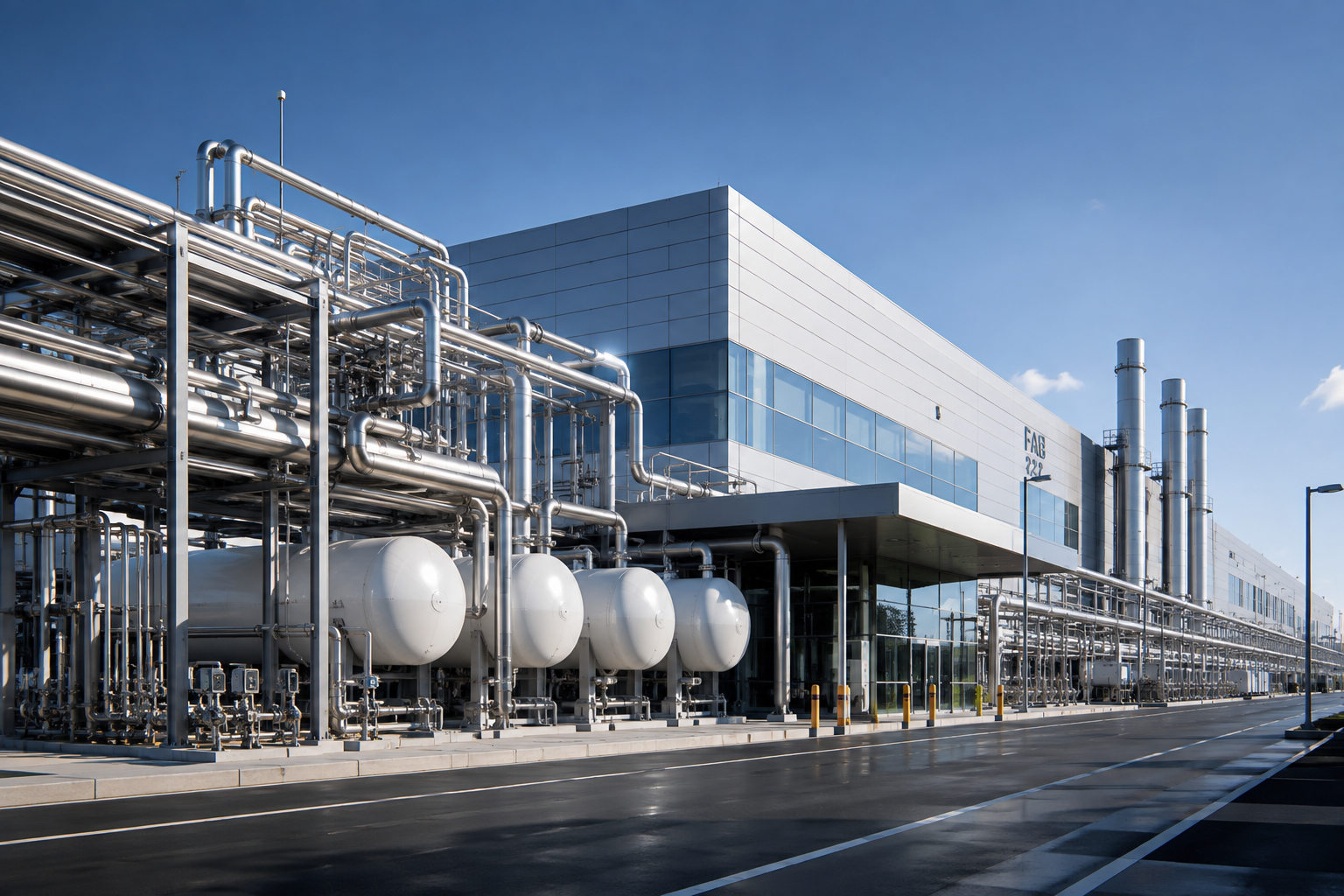
By colocating hydrogen generation with carbon capture units, companies effectively close the loop on their utility needs. This localized strategy mitigates the emissions associated with traditional tanker transport. Furthermore, it allows for the potential reuse of captured carbon dioxide for other high-purity utility requirements within the plant.
The Competitive Moat of Green Credentials
Suppliers that differentiate on carbon credentials gain a significant advantage in the marketplace. As industries like artificial intelligence and advanced computing hardware continue to expand, the demand for specialized, high-purity gases will grow. Companies that establish themselves as leaders in low-carbon production effectively build a protective moat around their business.
Buyers now view these green investments as evidence of supplier stability. A firm that demonstrates commitment to decarbonization is likely better prepared for future regulatory changes and carbon pricing mechanisms. This makes them a lower-risk partner for procurement teams looking to secure long-term supply chains.
Regulatory and Compliance Pressures
Environmental regulatory reporting is becoming more stringent for companies across the globe. Firms are under pressure to verify their emissions impact through rigorous, standardized windows. Buyers should anticipate that reporting requirements will only tighten as jurisdictions move toward more transparent environmental standards.
The focus on carbon intensity is not a temporary trend. It is a structural shift in how chemical and industrial gas markets function. Procurement managers should prepare their departments to integrate carbon data into their existing supplier management software and decision-making frameworks.
The Bottom Line for Procurement Teams
The industry is moving toward a model where sustainability is synonymous with operational efficiency. Relying on suppliers that ignore the decarbonization mandate will eventually lead to supply chain disruptions and reporting failures. Procurement managers need to prioritize those partners who actively address their carbon footprint through tangible investments.
Engaging with suppliers early regarding their long-term emission reduction roadmaps is critical. Understanding the production technology behind the hydrogen you purchase will help safeguard your company against future carbon taxes and regulatory penalties. The shift toward low-carbon inputs is an opportunity to strengthen supply chains while meeting corporate climate goals. Ready to source hydrogen from verified global suppliers? Explore competitive offers on our platform today.
Ammonia Anhydrous
Found this useful?