EuroChem Starts Up New Sulfuric-Acid Plant in Kazakhstan
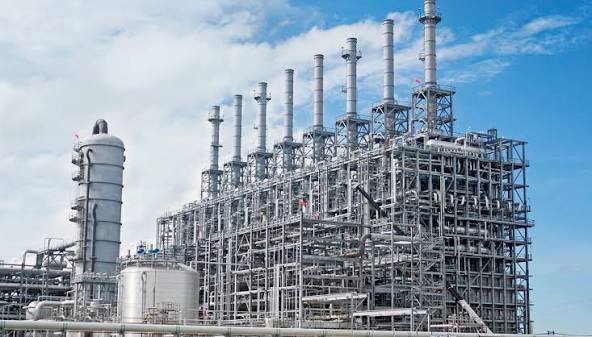
The global fertilizer and industrial chemical sectors received a significant supply boost in late May 2026. EuroChem Group officially started operations at its new sulfuric acid production plant in the Zhambyl Region of Kazakhstan. This strategic expansion marks a major milestone in the company’s efforts to secure raw material independence and enhance regional manufacturing capabilities.
Sulfuric acid is often called the king of chemicals due to its widespread industrial applications. It is a critical input for phosphate fertilizer production, metal processing, and various chemical synthesis processes. The new facility adds substantial volume to the Central Asian market, reducing reliance on imports from distant regions.
For procurement managers and agricultural buyers, this development offers improved supply security and potentially more stable pricing. Understanding the scale and impact of this startup helps in planning long-term sourcing strategies. It also highlights the growing importance of Central Asia as a key hub for chemical production.
Strategic Importance of the Zhambyl Facility
The Zhambyl Region is rich in natural resources and has become a focal point for industrial development in Kazakhstan. EuroChem’s decision to locate the new plant here leverages local infrastructure and proximity to raw material sources. The facility is designed to produce high-quality sulfuric acid efficiently using modern technology.
This expansion supports EuroChem’s integrated business model. The company produces large volumes of phosphate fertilizers which require significant amounts of sulfuric acid as a reactant. By producing this key input locally, EuroChem reduces logistics costs and supply chain risks. It also ensures consistent quality control over the entire production process.
The timing of the startup aligns with growing global demand for food security solutions. As agricultural output needs increase, reliable access to fertilizers becomes paramount. The new plant contributes directly to this goal by enabling higher domestic fertilizer production rates. It also positions EuroChem to serve export markets more competitively.
Impact on Regional Supply Chains
Central Asia has historically relied on imports for certain chemical intermediates. The new sulfuric acid plant changes this dynamic by adding significant local capacity. This shift reduces transportation lead times for downstream manufacturers in the region. It also lowers the carbon footprint associated with long-distance shipping of hazardous materials.
Local industrial users benefit from increased availability and reliability. Metal processors, textile manufacturers, and other chemical producers can source sulfuric acid more easily. This accessibility supports broader industrial growth in Kazakhstan and neighboring countries. It creates a more resilient regional ecosystem less vulnerable to global logistics disruptions.
Reduced dependency on imported sulfuric acid from Europe or China.
Shorter lead times for local industrial consumers.
Enhanced stability for phosphate fertilizer production schedules.
Procurement teams in the region should evaluate the benefits of sourcing from this new local provider. Lower freight costs and faster delivery can improve overall operational efficiency. Building relationships with local suppliers also strengthens community ties and regulatory compliance.
Applications in Fertilizer and Industrial Processes
Sulfuric acid is indispensable in the production of phosphoric acid, a key ingredient in phosphate fertilizers. The new plant will primarily support EuroChem’s own fertilizer complexes. This vertical integration ensures that fertilizer production is not bottlenecked by acid availability. It allows for scalable output to meet seasonal agricultural demands.
Beyond fertilizers, sulfuric acid has diverse industrial applications. It is used in metal leaching for mining operations, particularly for copper and uranium extraction. The mining sector in Central Asia can now access a reliable local source for these processes. This support boosts the competitiveness of regional mining projects.
Other uses include water treatment, battery acid production, and chemical synthesis. The versatility of sulfuric acid means that the new capacity serves multiple industries. Buyers across these sectors should monitor the market for potential price stabilization effects. Increased supply often leads to more competitive pricing structures.
Environmental and Safety Standards
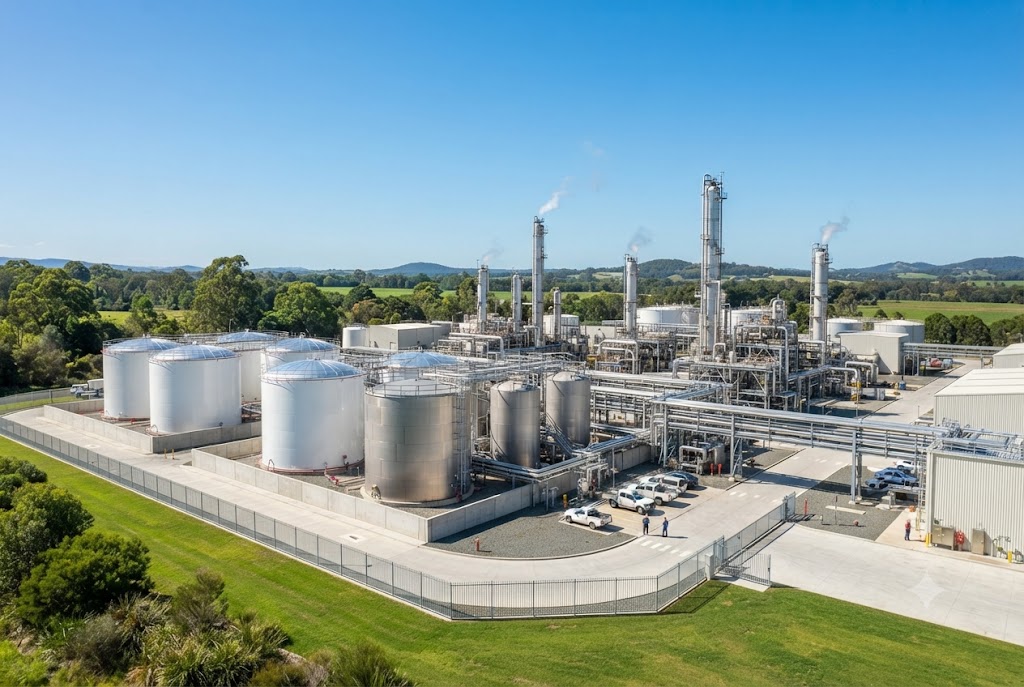
Modern sulfuric acid plants incorporate advanced environmental controls to minimize emissions. EuroChem has implemented state-of-the-art scrubbing and monitoring systems at the Zhambyl facility. These measures ensure compliance with strict environmental regulations and protect local communities.
Safety is another critical focus area. Handling sulfuric acid requires rigorous protocols due to its corrosive nature. The new plant features automated handling systems and comprehensive safety training programs. These investments reduce operational risks and ensure consistent product quality.
Transparency in environmental performance is increasingly important for buyers. Companies with strong ESG profiles are preferred partners for many global corporations. EuroChem’s commitment to sustainable production practices enhances its reputation in the market. Procurement teams can leverage this alignment with their own sustainability goals.
Market Outlook for Sulfuric Acid in Central Asia
The addition of EuroChem’s new capacity will influence regional pricing dynamics. Increased local supply may reduce the premium previously paid for imported acid. This cost reduction can improve the competitiveness of downstream products like fertilizers. Farmers and industrial users may see lower input costs as a result.
Global sulfur markets remain volatile due to fluctuating crude oil refining outputs. Sulfuric acid production is often linked to sulfur availability from refineries. Local production insulates the Kazakh market from some of this global volatility. It provides a more predictable cost base for long-term planning.
Export opportunities may emerge if local demand is fully satisfied. Neighboring countries in Central Asia and the Caucasus could become target markets. EuroChem’s strategic location facilitates logistics to these regions. This expansion positions the company as a key supplier in the broader Eurasian market.
What Buyers Should Do Now
Review your current sulfuric acid supply contracts and sourcing strategies. Evaluate the potential benefits of incorporating EuroChem’s new output into your mix. Contact local distributors or the producer directly to discuss availability and pricing terms.
Assess your inventory levels and forecasted demand for the coming quarters. The new supply source may allow for leaner inventory management due to shorter lead times. Adjust your logistics plans to take advantage of local delivery options.
Monitor market reports for updates on production ramp-up rates. Full capacity utilization may take several months to achieve. Early engagement helps secure allocation during the initial phase. Building a relationship with the new supplier now ensures priority access in the future.
Ready to source sulfuric acid and fertilizer inputs from verified global suppliers? Explore competitive offers on our platform today.
Sulphuric Acid (60%)
Found this useful?