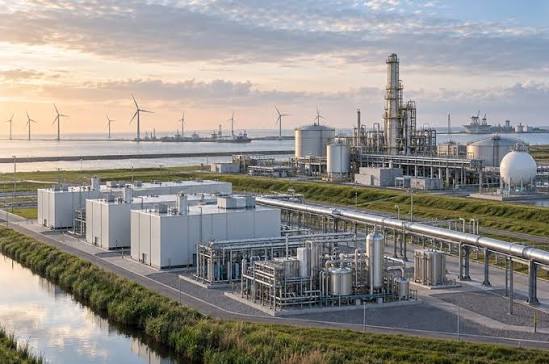
Delfzijl Biomethanol Plant Targets Green Hydrogen to Boost Sustainable Production
Biomethanol production is gaining momentum as the chemical and maritime industries look for alternatives to fossil-based feedstocks. In Delfzijl, the Netherlands, Perpetual Next and Lhyfe are exploring a renewable hydrogen supply arrangement that could deliver up to 12,000 tonnes of hydrogen annually to the planned DeltaNor biomethanol facility.
The proposed partnership connects two complementary parts of the sustainable chemicals value chain. Perpetual Next aims to convert biomass-derived materials into biomethanol, while Lhyfe is developing renewable hydrogen production capacity in the same industrial cluster. If the companies establish a commercially viable supply arrangement, the additional hydrogen could increase methanol yields and strengthen the project's production economics.
For chemical traders, importers and procurement managers, the development highlights a broader shift in how manufacturers approach feedstock selection, production efficiency and lower-carbon chemical sourcing.
Why Green Hydrogen Matters for Biomethanol Production
Biomethanol is methanol produced from renewable biological materials rather than relying exclusively on conventional fossil-based feedstocks. Manufacturers can use organic residues and biomass-derived carbon to create synthesis gas, commonly known as syngas, which contains hydrogen, carbon monoxide and carbon dioxide.
The composition of this gas directly affects how efficiently a facility can convert its feedstock into methanol. When the process lacks sufficient hydrogen relative to its available carbon, some of that carbon may not become the desired product.
Renewable hydrogen can help address this imbalance. By adding hydrogen generated through renewable energy, producers can improve the conditions for methanol synthesis and potentially convert a greater share of the biogenic carbon into saleable biomethanol.
This approach creates two commercial opportunities:
Higher feedstock utilisation: More effective conversion of biomass-derived carbon could improve output from a given quantity of raw material.
Lower reliance on fossil-derived inputs: Renewable hydrogen can replace some conventional hydrogen sources, depending on the production route and the facility's overall process design.
For DeltaNor, the objective is to combine renewable hydrogen with a biomass-based production process to support both manufacturing performance and sustainability goals.
DeltaNor and Lhyfe's Proposed Hydrogen Partnership
The memorandum of understanding between Perpetual Next and Lhyfe Delfzijl establishes a framework for evaluating a potential long-term hydrogen supply arrangement. The companies are examining how hydrogen from Lhyfe's planned DelfzHyl renewable hydrogen facility could integrate with Perpetual Next's DeltaNor project.
DeltaNor is designed to produce approximately 220,000 tonnes of biomethanol per year. Its planned location within Delfzijl's established chemical industry cluster places it close to industrial infrastructure and other businesses that already use hydrogen as a chemical feedstock.
The potential supply of up to 12,000 tonnes of renewable hydrogen each year represents a targeted input into this larger production system. However, the memorandum does not establish a completed supply contract. The parties still need to evaluate technical integration, commercial terms and the conditions required to advance their respective projects.
The arrangement could also strengthen the industrial case for both facilities. A dependable local hydrogen customer may support the development of renewable hydrogen production, while a prospective biomethanol producer gains access to an additional feedstock option.
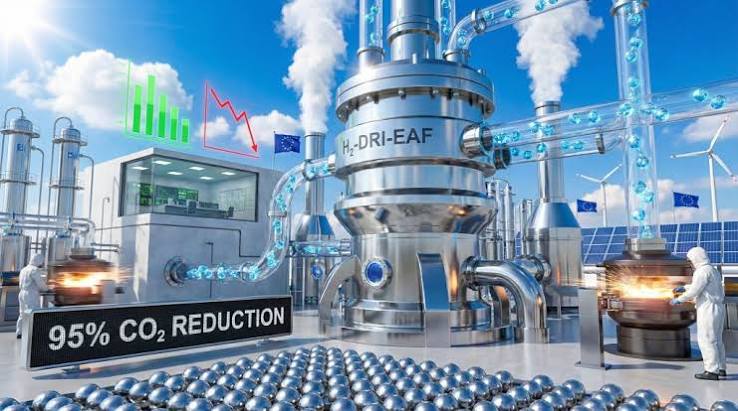
What the 12,000-Tonne Hydrogen Supply Could Mean for Output
Hydrogen availability is a key variable in methanol synthesis because the process requires an appropriate balance between hydrogen and carbon-containing gases. The proposed annual supply could help DeltaNor improve this balance, potentially increasing the quantity of biomethanol produced from its biomass-derived feedstock.
The commercial value depends on more than the volume of hydrogen delivered. Engineers must determine how the hydrogen enters the process, how consistently the plant can operate and whether the resulting production gains justify the additional supply costs.
Three factors will shape the project's potential performance:
Hydrogen quality and consistency: The supply must meet the process specifications required for reliable operation. Impurities, pressure and delivery conditions can affect integration requirements.
Feedstock characteristics: Biomass-derived syngas varies with the raw materials and conversion conditions. Operators must match hydrogen supply with the composition of the gas entering the methanol synthesis stage.
Operating economics: The value of additional methanol output must outweigh the cost of renewable hydrogen, compression, delivery and any required process modifications.
For procurement teams, these considerations demonstrate why buyers should evaluate feedstocks as part of a complete production system rather than comparing prices in isolation.
Sustainable Feedstocks and the European Chemical Industry
Delfzijl's development reflects a wider effort to establish interconnected supply chains for renewable feedstocks, hydrogen and lower-carbon industrial products. The region already has a substantial chemical industry, making local integration particularly relevant to companies seeking to reduce dependence on conventional raw materials.
Industrial clusters can offer several advantages when facilities share infrastructure and develop complementary operations:
Shorter supply routes: Local production can reduce transportation requirements and simplify coordination between hydrogen producers and industrial consumers.
Infrastructure integration: Existing chemical facilities, pipelines and industrial services may help new projects connect with established operations.
More coordinated investment: Long-term supply relationships can help producers assess demand before committing to major infrastructure expenditure.
However, proximity alone does not guarantee competitive pricing. Electricity costs, renewable hydrogen production efficiency, equipment investment and infrastructure charges will all influence the final cost delivered to the biomethanol plant.
For chemical traders, these developments also create opportunities to monitor emerging supply hubs. As regional production networks expand, buyers may gain access to new grades, alternative sourcing arrangements and products with documented sustainability attributes.
Who Could Buy Biomethanol and Where Will Demand Come From?
Biomethanol can serve markets that already use conventional methanol but want to reduce the fossil-derived share of their raw materials. Its commercial prospects depend on product specifications, production costs, sustainability credentials and the ability of suppliers to deliver consistent volumes.
The maritime sector is an important potential demand source. Shipping companies are evaluating lower-carbon fuels for vessels and may consider methanol where vessel design, fuel infrastructure and operational requirements support its use.
The chemical industry offers another major outlet. Methanol serves as a feedstock for several downstream products, including formaldehyde, acetic acid and other chemical intermediates. Manufacturers that incorporate methanol into their processes may assess biomethanol as a way to reduce the fossil origin of their feedstock supply.
Potential buyer groups include:
Chemical manufacturers: Companies seeking renewable-origin methanol for downstream synthesis or lower-carbon product portfolios.
Marine fuel suppliers: Businesses developing supply chains for methanol-fuelled vessels and alternative marine fuels.
Fuel distributors and traders: Intermediaries connecting producers with industrial consumers across regional markets.
Sustainability-focused procurement teams: Buyers evaluating renewable feedstocks against emissions targets, customer requirements and sourcing policies.
Nevertheless, biomethanol does not automatically offer the same economics as conventional methanol. Buyers must assess the price premium they can support, the documentation they require and the availability of suitable volumes under long-term contracts.
Green Hydrogen Costs and the Challenges of Commercial Scale
The economics of renewable hydrogen remain central to the DeltaNor development. Renewable hydrogen production requires substantial investment in electrolysis equipment and access to renewable electricity, so its delivered price can strongly influence the cost of biomethanol.
For Perpetual Next, competitive hydrogen pricing is important because additional feedstock expenditure must translate into sufficient production or commercial value. Even if hydrogen improves yields, the financial benefit will depend on how much extra biomethanol the plant produces and what buyers are willing to pay for it.
Several challenges deserve attention as the project progresses.
Electricity availability and pricing: Electrolysers depend on electricity, so power costs and operating hours influence hydrogen production economics. Renewable electricity supply arrangements can therefore affect both production costs and supply reliability.
Infrastructure and integration: Hydrogen requires suitable equipment, delivery arrangements and process controls. Integrating a new supply source into a large chemical plant may require engineering work, testing and coordination between operators.
Financing and project development: Both renewable hydrogen and biomethanol facilities require significant capital investment. Their commercial viability may depend on financing terms, customer commitments and the availability of appropriate public support schemes.
Market price competition: Biomethanol must compete with conventional methanol while offering buyers sufficient value through renewable feedstock content and emissions performance. The size of any premium will depend on market conditions and individual purchasing requirements.
These factors explain why the current memorandum focuses on technical and commercial evaluation rather than confirming a final supply commitment.
Regulation and Sustainability Requirements Shape Future Demand
European policy is creating stronger incentives for industries to evaluate renewable hydrogen and alternative feedstocks. The revised Renewable Energy Directive, known as RED III, includes requirements for renewable fuels of non-biological origin (RFNBOs) in industrial energy and feedstock use, with targets extending to 2030 and 2035.
For chemical manufacturers, these requirements increase the importance of understanding the origin of hydrogen and the emissions associated with production. Buyers will need reliable documentation to establish whether a product meets the sustainability criteria relevant to its intended application.
Biomethanol procurement involves a related set of considerations. Buyers should assess the biomass feedstock, production pathway, energy inputs and emissions across the supply chain rather than relying on the product name alone.
Important checks include:
Feedstock traceability: Suppliers should explain the origin of biomass-derived materials and demonstrate how they manage feedstock sourcing.
Emissions documentation: Buyers should request appropriate lifecycle emissions information and supporting calculations for the relevant production route.
Certification and compliance: Procurement teams should identify which sustainability certifications or regulatory documentation apply to their market and intended use.
Contractual consistency: Supply agreements should specify product quality, delivery obligations and the documentation required for sustainability reporting.
These requirements can influence purchasing decisions as much as the physical properties of the product. Suppliers that provide transparent documentation may be better positioned to serve customers with demanding compliance and reporting needs.
What Chemical Traders and Procurement Managers Should Watch
The DeltaNor development provides a useful signal for businesses tracking renewable chemical feedstocks. The potential integration of locally produced hydrogen into biomethanol manufacturing illustrates how industrial projects can combine different technologies to improve resource utilisation.
For traders and procurement managers, the immediate priority is to understand how these projects could affect future availability, pricing and customer demand. A memorandum of understanding signals a development opportunity, but it does not guarantee a specific commercial supply volume or delivery schedule.
Businesses following this market should focus on several practical priorities:
Monitor project milestones: Track technical assessments, investment decisions and progress towards a definitive hydrogen supply agreement.
Review alternative suppliers: Compare available methanol sources and evaluate whether renewable-origin products fit existing procurement requirements.
Understand price structures: Assess how feedstock costs, energy prices, transport and sustainability requirements influence the delivered product price.
Engage potential customers early: Industrial buyers may need time to qualify alternative materials, review documentation and incorporate new products into their purchasing plans.
Plan contracts around supply certainty: Match procurement commitments with confirmed production capacity, delivery schedules and clearly defined quality requirements.
The project's progress could also help traders identify new commercial relationships between hydrogen producers, renewable feedstock suppliers and downstream manufacturers. Companies that understand these connections may be better prepared to respond as sustainable chemical supply chains develop.
What the Delfzijl Project Signals for Sustainable Chemical Sourcing
Perpetual Next and Lhyfe's proposed hydrogen partnership highlights an important principle in sustainable chemical production: feedstock innovation works best when producers consider the entire conversion process. Adding renewable hydrogen to biomass-derived syngas could improve DeltaNor's biomethanol yields while supporting the development of a connected industrial supply chain in Delfzijl.
The planned 220,000-tonne annual biomethanol facility and the potential hydrogen supply of up to 12,000 tonnes per year establish a significant framework for evaluating this approach. The next stage will depend on technical integration, competitive hydrogen pricing, investment progress and the commercial conditions needed to make both projects viable.
For chemical buyers, the wider lesson is to assess sustainable feedstocks through a combination of price, availability, product specifications and verifiable environmental performance. As new production routes develop, procurement teams that prepare early can evaluate emerging suppliers and identify opportunities that align with their operational and sustainability objectives.
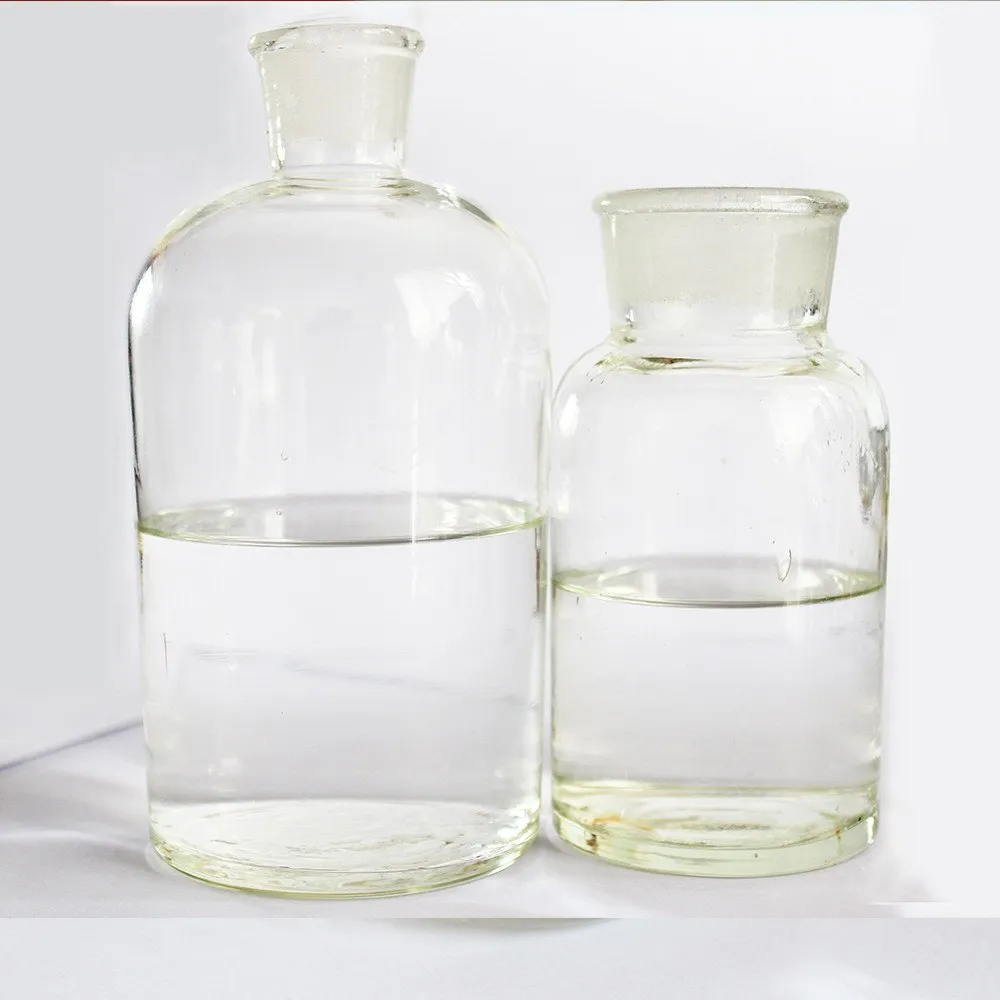
Methanol
Found this useful?