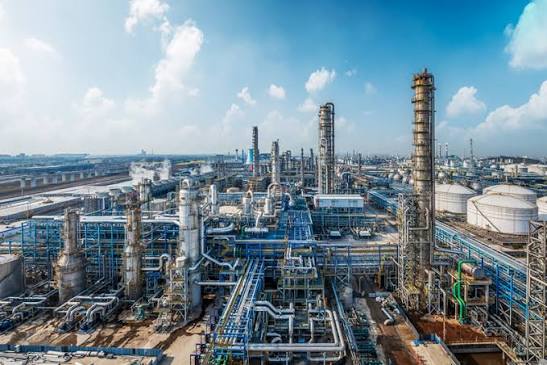
Domestic Bisphenol A Prices Declined Across China in August
Domestic Bisphenol A Prices Declined Across China in August
China’s domestic bisphenol A (BPA) market moved lower through August, according to price data and market commentary from SunSirs. After opening the month with East China spot negotiations around 9,700–9,750 yuan per tonne, values weakened sharply in the middle of the period and closed the month in a lower range of roughly 9,200–9,350 yuan per tonne. The net decline of approximately 300–400 yuan per tonne reflected a familiar late-summer pattern: limited downstream restocking during the off-peak demand season, comfortable supply availability, and a shift in trading psychology from price support toward inventory reduction.
Bisphenol A is the critical intermediate for polycarbonate and epoxy resins. Its price direction therefore serves as a near-term barometer for the health of those two major downstream chains as well as for the phenol–acetone upstream complex that feeds BPA production. The August softening indicates that neither polycarbonate nor epoxy demand generated sufficient pull to absorb available molecules at the higher price levels seen earlier in the summer.
Price Trajectory Through the Month
The market opened August with a degree of residual firmness carried over from the stronger July performance. That support proved short-lived. By mid-month, offers and transaction levels had adjusted lower as buyers remained cautious and sellers competed more actively for limited spot business. In the final third of the month prices stabilised at the reduced level, with mainstream deals settling in the 9,200–9,350 yuan per tonne band in East China. The overall monthly move was a clear decline rather than a volatile up-and-down pattern.
Regional differentials followed the same direction. While absolute levels vary between East China, South China and other consuming areas, the direction of travel was consistent: downward pressure dominated across the main domestic markets.
Demand-Side Weakness in the Off-Peak Season
August sits in the traditional off-peak window for many BPA end-uses. Construction-related epoxy demand is seasonally quieter, and polycarbonate consumption in certain durable-goods and automotive applications often slows before the autumn restocking cycle. SunSirs commentary highlighted insufficient downstream absorption as a primary reason high-price momentum could not be sustained. Converters and resin producers preferred to work down existing inventories rather than build fresh positions at the early-month price levels.
This cautious stance left producers and traders with greater responsibility for clearing volume. When downstream buying interest is only moderate, the market’s centre of gravity shifts from sellers defending offers to participants competing for the available orders—exactly the dynamic observed in the second half of August.

Supply and Cost Context
Domestic BPA capacity remains substantial. Operating rates respond to margins, but the absolute volume potential is high enough that even moderate run rates can meet current demand when imports are not aggressive. Upstream phenol and acetone values influence production economics; when those costs do not rise sufficiently to force widespread rate cuts, BPA supply tends to stay ample. In August the balance between production availability and soft demand tilted toward oversupply at the prevailing price, prompting the observed correction.
Import volumes and arbitrage windows also play a role. When domestic prices soften, the incentive for overseas cargoes to enter the Chinese market diminishes, which can eventually help rebalance the market—but only after the domestic correction has already occurred.
Implications for Polycarbonate and Epoxy Chains
Lower BPA prices ease feedstock costs for polycarbonate and epoxy resin producers. In the short term this can support resin margins if resin prices themselves hold steady or decline more slowly. However, if the same demand weakness that pressured BPA also affects resin consumption, the relief on the cost side may be offset by softer selling prices downstream. Integrated players with positions across phenol–BPA–resin chains manage the spread rather than any single product price; non-integrated resin producers simply benefit from the cheaper intermediate.
For BPA buyers the August decline created a more favourable entry window for covering near-term requirements. Many will have delayed purchases in anticipation of further weakness or will now look to the September–October period for signs of seasonal demand recovery.
Near-Term Outlook
The immediate outlook hinges on the pace of downstream restocking as the market moves out of the deep summer lull. If polycarbonate and epoxy operating rates rise with autumn demand, BPA inventories can be drawn down and prices stabilised or partially recovered. If downstream activity remains muted, the softer tone established in August can extend. Cost movements in phenol and acetone, any concentrated BPA plant maintenance, and the behaviour of import flows will act as secondary variables.
SunSirs’ August data provide a clear snapshot: domestic bisphenol A prices declined across China as supply availability exceeded the limited pull from off-peak demand. The correction resets the market at a lower level heading into the traditionally more active autumn period, leaving participants attentive to whether seasonal restocking will be sufficient to absorb the available volume and reverse the recent softening.
Sources
Dicalcium Phosphate
Found this useful?