
Dow and Amcor Launch a Collaboration to Scale Low-Carbon Polyethylene Packaging

Dow and Amcor Launch Collaboration to Scale Low-Carbon Polethylene Packaging
Dow and Amcor have announced a new strategic collaboration aimed at accelerating the adoption and commercialization of low-carbon polyethylene (PE) packaging solutions. The partnership combines Dow’s expertise in low-carbon polyethylene and materials science with Amcor’s packaging innovation, manufacturing capabilities and global reach.
Announced on September 17, 2026, the collaboration is designed to help brands and retailers integrate next-generation packaging while maintaining the performance, quality and functionality expected from conventional packaging.
The companies also plan to make it easier for customers to understand the carbon impact of different packaging choices and support their efforts to address Scope 3 greenhouse gas emissions.
Dow and Amcor Combine Complementary Capabilities
The collaboration brings together two different parts of the packaging value chain.
Dow contributes its expertise in low-carbon polyethylene, materials science and carbon-footprint assessment, while Amcor contributes packaging development, manufacturing expertise and access to customers and markets around the world.
By combining these capabilities, the companies intend to identify packaging applications where low-carbon PE can be commercially and technically viable.
The partnership will also involve early engagement with value-chain partners, allowing brands, packaging producers and material suppliers to work together during the adoption process.
Focus on Low-Carbon Polyethylene Packaging
Polyethylene is widely used in flexible and other packaging applications because of its combination of strength, flexibility, barrier performance and processability.
Dow and Amcor are focusing on solutions that can provide the required packaging performance while offering opportunities to reduce the associated carbon footprint.
According to the companies, the collaboration is particularly relevant for brands and retailers looking for emissions-reduction options that do not require major packaging redesigns or significant investments in new infrastructure.
This approach could make low-carbon materials easier to integrate into existing packaging value chains.
Addressing Scope 3 Emissions
A major objective of the collaboration is helping companies address Scope 3 emissions.
Scope 3 emissions cover indirect greenhouse gas emissions occurring throughout a company's value chain. For many companies, packaging materials can contribute to these emissions through upstream material production and downstream activities.
Dow and Amcor say that providing lower-carbon packaging options can give brands another way to address their value-chain emissions while maintaining packaging functionality.
The companies are therefore positioning low-carbon PE as a potential "drop-in" option that can be incorporated into packaging without fundamentally changing the package design.
Carbon Footprint Ledger Methodology
A key component of the collaboration is the Carbon Footprint Ledger (CFL) methodology.
The CFL approach is based on industry precedents for mass-balance greenhouse-gas accounting. Dow and Amcor say it provides independently assured product carbon-footprint information aligned with internationally recognized standards, including ISO 14067 and the Greenhouse Gas Protocol Product Standard.
This information is intended to provide customers with greater visibility into the carbon impact associated with their packaging choices.
For brands evaluating different materials, transparent carbon-footprint information can help support more informed procurement and sustainability decisions.
A New Commercial Model for Low-Carbon Packaging
The collaboration also introduces a commercial approach intended to address one of the challenges associated with scaling lower-carbon materials: the gap between sustainability commitments and actual commercial demand.
Dow said the companies are testing a market-based commercial model designed to reduce adoption risk and create clearer demand signals for low-carbon packaging solutions.
The objective is to help move low-carbon packaging from individual projects toward broader commercial adoption.
Early involvement from value-chain partners will also allow the companies to identify applications where the technology and economics are suitable for wider deployment.
Maintaining Packaging Performance
Sustainability improvements in packaging must still meet practical requirements such as product protection, durability, functionality and manufacturing compatibility.
Dow and Amcor say their collaboration is focused on packaging solutions that maintain the required performance, quality and functionality while helping customers pursue emissions-reduction objectives.
This is particularly important for consumer-packaged goods, where packaging plays a critical role in protecting products during manufacturing, transportation, storage and use.
Building on Existing Dow and Amcor Collaboration
The two companies have worked together on packaging innovation before.
One example is their collaboration with NICE to develop a recyclable toothpaste tube using a full polyethylene-based structure. The solution replaced the traditional aluminum-containing structure while maintaining barrier performance against oxygen and humidity.
The latest collaboration expands the relationship toward a broader focus on low-carbon polyethylene and carbon-footprint transparency.
Implications for the Packaging Industry
The new collaboration comes as brands and retailers face increasing pressure to reduce the environmental impact of packaging while continuing to meet performance and cost requirements.
Instead of treating materials, packaging manufacturing and brand sustainability targets as separate issues, Dow and Amcor are seeking to connect these parts of the value chain.
Their model involves:
Identifying technically viable packaging applications
Assessing commercial opportunities
Engaging value-chain partners early
Providing product carbon-footprint information
Supporting brands in evaluating low-carbon PE
Scaling suitable packaging solutions across markets
This coordinated approach could help simplify the process for companies exploring lower-carbon packaging materials.
Low-Carbon PE and the Future of Sustainable Packaging
The packaging industry is moving toward solutions that combine material efficiency, recyclability, recycled content and lower greenhouse-gas emissions.
Low-carbon polyethylene represents one pathway within this broader transition.
For brands, the ability to adopt lower-carbon packaging without completely redesigning products or manufacturing systems can be an important consideration. Dow and Amcor's collaboration is intended to address this opportunity by connecting low-carbon material production with packaging development and commercial applications.
The companies' focus on independently assured carbon-footprint information also reflects the growing importance of measurable environmental data in packaging decisions.
What Comes Next?
Dow and Amcor will work together to identify applications and engage partners across the packaging value chain.
The companies have not announced a specific overall production capacity or a single global product launch under the collaboration. Instead, the initial focus is on developing and scaling technically and commercially viable applications.
As brands continue to establish Scope 3 reduction targets, demand for packaging materials with documented lower carbon footprints could create additional opportunities for this type of value-chain collaboration.
Conclusion
Dow and Amcor's strategic collaboration represents an effort to accelerate the adoption of low-carbon polyethylene packaging by combining material science, packaging manufacturing and carbon-footprint expertise.
The partnership will focus on identifying commercially viable applications, engaging value-chain partners and providing customers with carbon-footprint information aligned with recognized standards.
As companies continue working to reduce value-chain greenhouse-gas emissions, collaborations connecting low-carbon materials with existing packaging systems could become an increasingly important part of the packaging industry's sustainability strategy.
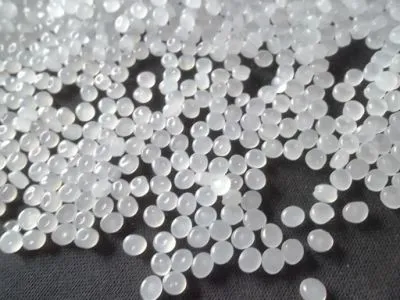
Low Density Polyethylene (LDPE)

Found this useful?