Dry Rhine Conditions Crimp Yet Another Chemical Maker
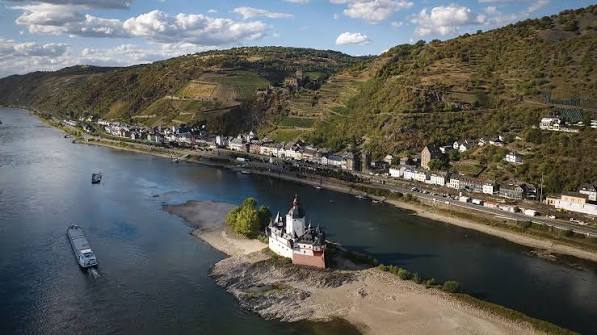
The Rhine River serves as the arterial lifeline for Europe’s chemical industry. In August 2026, C&EN’s Business Watch column reported that low water levels have crimped operations at another chemical maker. This development extends a troubling pattern of river-driven production constraints affecting Germany’s chemical cluster this summer.
For procurement managers and chemical traders, this is not an isolated incident. It represents a recurring structural vulnerability in the European supply chain. When the Rhine runs low, the cost of transporting bulk chemicals rises sharply and delivery schedules become unpredictable.
Understanding the mechanics of this disruption is vital for maintaining supply continuity. Buyers must anticipate delays and price volatility when relying on barge transport through this critical corridor. The interplay between climate conditions and industrial output creates a complex risk landscape for global sourcing teams.
The Critical Role of the Rhine in Chemical Logistics
The Rhine River connects major industrial hubs in Switzerland, Germany, France and the Netherlands. It carries millions of tons of raw materials and finished products annually. Barges offer a cost-effective and environmentally friendly alternative to road or rail transport for bulk chemicals.
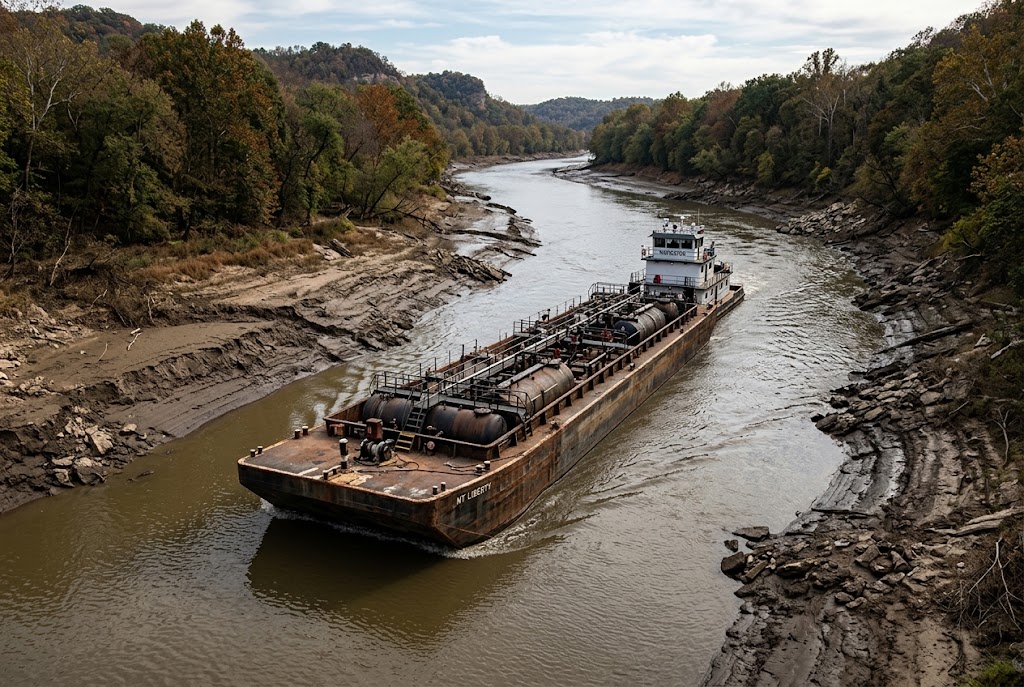
However, this efficiency depends entirely on sufficient water depth. Heavy barges require deep channels to navigate safely. When water levels drop due to drought or low rainfall, carriers must reduce cargo loads to avoid running aground.
This reduction in load capacity means more trips are required to move the same volume of goods. The resulting bottleneck increases freight costs and extends lead times significantly. For just-in-time manufacturing models, these delays can halt production lines entirely.
How Low Water Levels Cripple Production Capacity
The recent report highlights that low Rhine conditions have crimped operations at yet another chemical maker. This phrasing suggests a cumulative effect across the industry. Facilities relying on riverborne feedstocks face immediate input shortages.
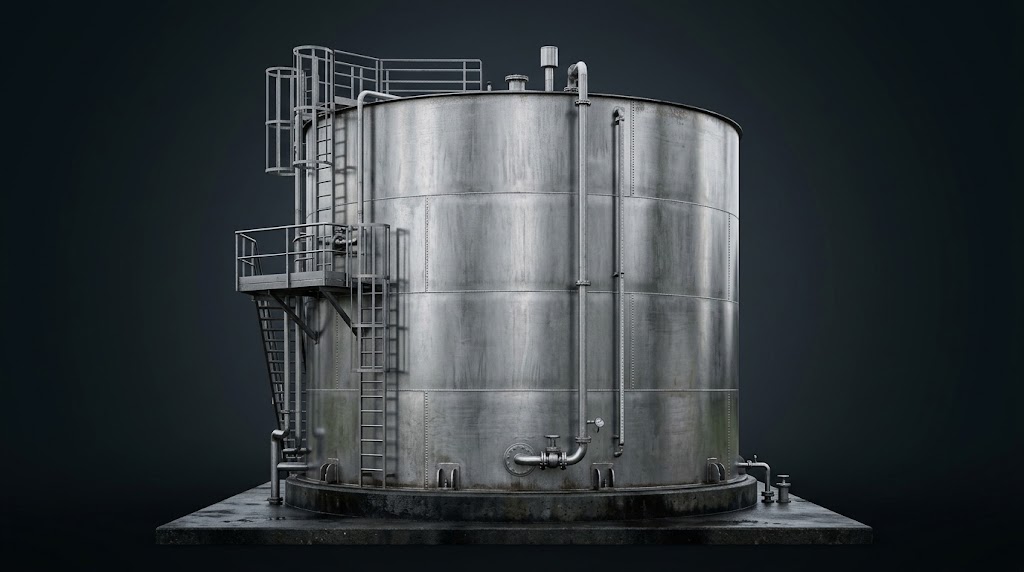
Simultaneously, producers struggle to ship out finished goods. Storage tanks fill up faster than they can be emptied via restricted barge traffic. This inventory buildup forces plants to throttle back production rates to prevent operational shutdowns.
Feedstock scarcity: Raw materials like naphtha or crude oil arrive slower and in smaller quantities.
Output bottlenecks: Finished polymers and intermediates cannot leave the site efficiently.
Cost escalation: Freight rates spike as carriers charge premiums for shallow-draft navigation and lighter loads.
These factors combine to create a perfect storm for supply chain disruption. The impact ripples outward from the riverbanks to end-users across the continent and beyond.
Historical Context and Recurring Patterns
This summer’s constraints are part of a broader trend. Climate change has increased the frequency and severity of low-water events in Central Europe. The Rhine has experienced similar disruptions in recent years, catching many buyers off guard.
Historically, the river provided reliable year-round transport. Now, seasonal droughts are becoming a predictable risk factor. Procurement teams can no longer treat river logistics as a stable baseline. They must integrate climate variability into their long-term sourcing strategies.
The repetition of these events indicates a structural shift rather than a temporary anomaly. Companies that fail to adapt will face chronic supply instability. Those that proactively diversify their logistics networks will gain a competitive advantage.
Strategic Responses for Procurement Teams
Buyers must adopt a multi-pronged approach to mitigate Rhine-related risks. Relying solely on river transport is no longer a viable strategy for critical materials. Diversification of transport modes is essential for resilience.
Shift to rail or road: While more expensive, rail and truck transport offer greater reliability during low-water periods. Securing capacity in advance is crucial.
Increase safety stock: Building larger inventory buffers helps absorb short-term delivery delays. This requires additional warehousing space and capital but prevents production stoppages.
Source from alternative regions: Reducing dependence on German production hubs can bypass Rhine constraints entirely. Sourcing from Northern Europe or overseas markets provides geographic diversity.
Contract negotiations should include force majeure clauses that specifically address weather-related logistics failures. Clear communication with suppliers about contingency plans ensures alignment during crises.
Impact on Specific Chemical Segments
The disruption affects various chemical segments differently. Bulk commodities with low value-to-weight ratios suffer most from increased freight costs. Specialty chemicals with higher margins may absorb the costs more easily but still face availability issues.
Polymers and plastics: High-volume producers face significant margin pressure as transport costs eat into profits.
Base chemicals: Items like caustic soda or acids see price volatility due to supply tightness.
Specialty intermediates: Delays in these inputs can halt downstream formulation processes in pharmaceuticals or coatings.
Buyers in each segment must tailor their response to their specific risk profile. High-volume buyers should prioritize logistics diversification. Niche buyers should focus on supplier relationship management and inventory planning.
Regulatory and Environmental Considerations
The Rhine crisis also intersects with environmental regulations. Governments are under pressure to balance industrial needs with ecological preservation. Water usage restrictions during droughts can further limit industrial operations.
Producers must comply with strict discharge limits even when operating at reduced capacity. This regulatory burden adds complexity to an already challenging situation. Buyers should expect suppliers to pass on compliance costs associated with environmental adaptations.
Sustainability goals are driving some companies to invest in water-efficient technologies. However, these solutions take time to implement. In the short term, logistical workarounds remain the primary defense against river-level volatility.
Looking Ahead to Future Supply Chain Resilience
The pattern of river-driven constraints suggests that low water levels will remain a persistent challenge. Climate models predict more frequent extreme weather events in Central Europe. Procurement teams must plan for a future where Rhine reliability is no longer guaranteed.
Investing in digital supply chain tools can improve visibility and responsiveness. Real-time tracking of river levels and barge positions allows for proactive decision-making. Predictive analytics can help forecast potential disruptions weeks in advance.
Collaboration with logistics providers is also key. Joint planning exercises and shared risk management frameworks build stronger partnerships. Suppliers who demonstrate resilience during crises become preferred partners for long-term contracts.
The Bottom Line for Chemical Buyers
The report that low Rhine water levels have crimped operations at another chemical maker is a stark warning. European chemical supply chains are vulnerable to climate-induced logistical failures. Procurement professionals must act decisively to protect their operations.
Diversifying transport modes, increasing inventory buffers and exploring alternative sourcing regions are critical steps. Ignoring these risks invites costly disruptions and production halts. Proactive planning transforms a potential crisis into a manageable operational challenge.
Ready to source caustic soda from verified global suppliers? Explore competitive offers on our platform today.
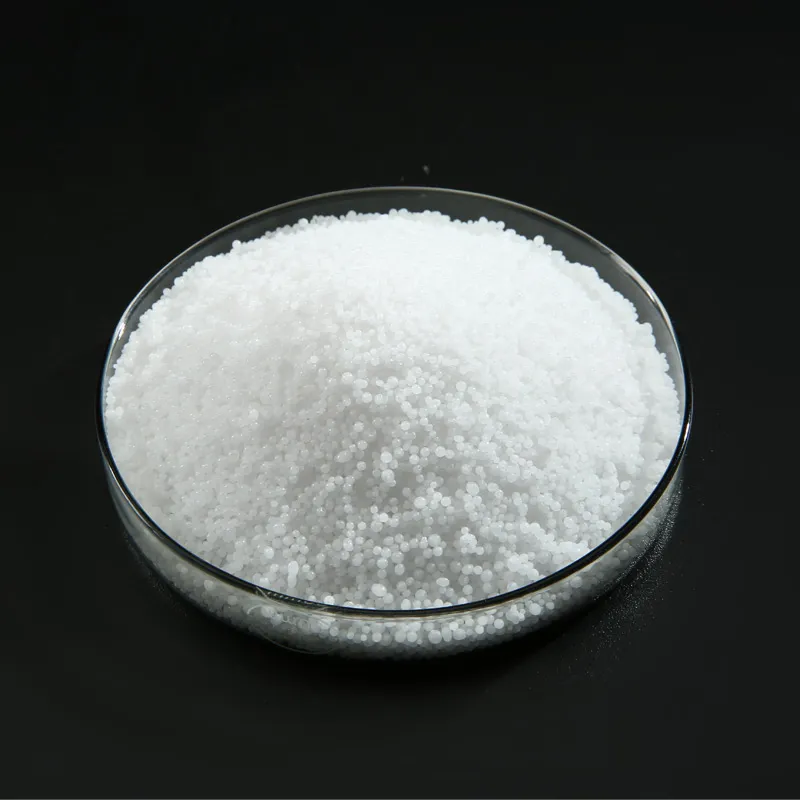
Caustic Soda Pearls - China
Found this useful?