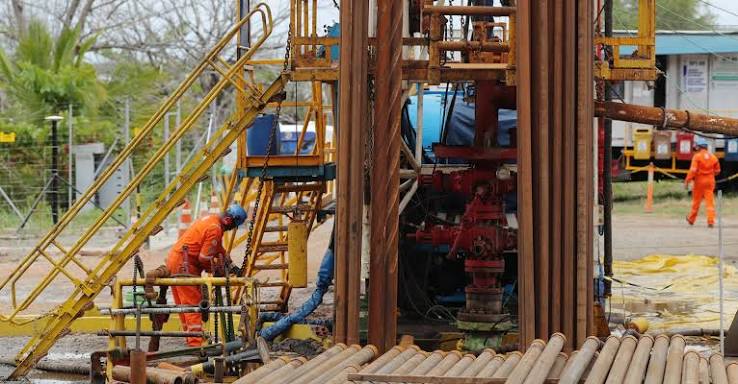
DuPont, Chemours and Corteva Settle $455M PFAS Claims With North Carolina
DuPont, Chemours and Corteva Settle $455M PFAS Claims With North Carolina
Chemours, DuPont and Corteva have reached a settlement with the State of North Carolina and 11 local entities that resolves PFAS-related litigation linked to Chemours’ Fayetteville Works plant and certain additional state claims, including some connected to aqueous film-forming foam (AFFF). The agreement, announced in September 2026, provides for total payments of $455 million over 15 years. Chemours is responsible for 50% of the payments; DuPont and Corteva together cover the other 50%, consistent with their existing cost-sharing arrangements for legacy PFAS matters. Chemours has indicated that its share is covered by existing accruals.
The deal is one of the largest environmental damage recoveries in North Carolina history when combined with prior obligations and related funding. It does not erase the long regulatory and litigation history around Fayetteville Works, but it does close a major set of state and local claims and reinforces the remediation path set out in the 2019 Consent Order.
What the Settlement Covers
The litigation resolved by the agreement includes claims by the state and by local governments in the vicinity of Fayetteville Works that were not included in the earlier U.S. public water system class settlement. The claims centre on historical PFAS and other discharges from the plant and on alleged impacts to water, communities and natural resources. A portion of the settlement amount is attributed to PFAS contamination claims unrelated to Fayetteville Works, including AFFF-related allegations by the state.
Payments are structured over 10 to 15 years. North Carolina has allocated part of the funds to state uses, including an Emerging Contaminant Mitigation Fund intended to help local governments detect and reduce contaminants in drinking water, with the balance directed to the participating local entities. Additional arrangements, including a reserve fund backed by DuPont and Corteva, are designed to support Chemours’ ongoing obligations under the 2019 Consent Order with the North Carolina Department of Environmental Quality.
Fayetteville Works and the 2019 Consent Order
Fayetteville Works has been the focal point of PFAS scrutiny in North Carolina for years. The 2019 Consent Order required Chemours to sharply reduce PFAS emissions to air and water, to address off-site contamination, and to provide alternative drinking water or treatment where specified criteria were met. Chemours has reported substantial capital and operating expenditure under that order—on the order of $1 billion-plus cumulatively—and significant reductions in facility emissions.
The 2026 settlement explicitly recognises that progress while resolving the damages claims brought by the state and the 11 local governments. Ongoing Consent Order work continues; the new agreement does not replace those operational and remediation duties.
Cost Sharing Among the Three Companies

Under the January 2021 Memorandum of Understanding among Chemours, DuPont and Corteva, legacy PFAS costs are shared on a defined basis. For this settlement, Chemours takes 50% and DuPont/Corteva together take 50%. The companies have also aligned on how the settlement is valued on a net-present-value basis for purposes of tracking qualified spend under their MOU. That internal clarity reduces the risk of secondary disputes among the three parties over allocation of this particular resolution.
For investors, the key points are that Chemours’ portion is described as covered by existing accruals and that near-term cash outflows are spread over time, with Chemours estimating roughly $50 million as its share of payments over the next twelve months.
Broader PFAS Litigation Context
The North Carolina agreement is one piece of a much larger national PFAS litigation landscape that includes public water systems, states, personal-injury claims and AFFF-related suits. Earlier water-system settlements and ongoing multidistrict litigation mean that companies with historical PFAS manufacturing or AFFF exposure continue to manage a multi-year, multi-jurisdiction docket. State-level settlements such as this one progressively narrow the set of open governmental claims in specific geographies while leaving other categories of claims unresolved.
For the chemical industry more broadly, each major state settlement reinforces the financial and operational reality of legacy fluorochemical liabilities: remediation costs, drinking-water commitments, and long-tail payments are now a standing feature of the sector’s risk profile.
Implications for Compliance and Risk Management
The settlement underscores several practical points for chemical manufacturers and their customers. First, historical discharges and product uses can generate multi-decade liability even after manufacturing practices have changed. Second, consent orders and settlements increasingly combine cash payments with long-term performance obligations—emission limits, monitoring, water treatment and reserve funding. Third, cost-sharing arrangements among formerly integrated companies (DuPont, Chemours, Corteva) have become a central part of how these liabilities are managed and disclosed.
Downstream users of fluorochemicals and firefighting foams remain exposed to their own regulatory and reputational pressures, but the primary financial burden of these historical site and product claims continues to fall on the original manufacturers and their successors.
Outlook
The $455 million, 15-year settlement between Chemours, DuPont, Corteva, North Carolina and 11 local entities closes a significant chapter of PFAS litigation tied to Fayetteville Works and related state claims. It builds on the 2019 Consent Order, allocates costs according to the companies’ existing MOU, and channels funds to state mitigation efforts and affected local governments. It does not end PFAS liability for the three companies nationwide, nor does it remove the need for continued emission control and remediation at Fayetteville. It does, however, provide greater certainty on one of the most closely watched state dockets and illustrates the scale and duration of the financial commitments that legacy PFAS contamination continues to impose on the chemical sector.
Sources
Ammonium Bromide
Found this useful?