DuPont Launches Sugar Separation Advisor for AmberLite Chromatography Resins
DuPont has launched a new digital tool aimed at one of the earliest challenges in sugar and sweetener processing, identifying a suitable resin for chromatographic separation. The Sugar Separation Advisor uses experimental separation data to predict chromatograms and recommend candidate DuPont AmberLite chromatography resins for further evaluation.
For manufacturers, the development could make early-stage process assessment more structured. Instead of beginning every separation investigation with a broad resin screening exercise, producers can use information about their target sugar and feed mixture to identify potential candidates for laboratory testing.
The tool arrives as food and beverage manufacturers continue to work with conventional sweeteners alongside specialty products such as rare sugars, oligosaccharides and sugar alcohols. DuPont says the advisor draws on years of experimental separation data and chromatography application expertise.
How the Sugar Separation Advisor Works
The Sugar Separation Advisor focuses on the composition of the feed stream and the target component that the producer wants to recover or purify. Users can select a target sugar or sweetener and add up to four additional sugars or impurities to represent the mixture entering the separation process.
The platform then generates a predicted chromatogram using experimental separation data. It also provides a qualitative assessment of the expected separation and suggests candidate AmberLite chromatography resins for further evaluation.
This approach gives process development teams an early screening tool rather than requiring them to immediately test a wide range of resin options. The result can help laboratories concentrate their resources on separation combinations that show potential.
The tool also creates a more accessible way to use application knowledge that would otherwise require consultation with technical specialists and review of laboratory results.
Why Resin Selection Matters in Sweetener Processing
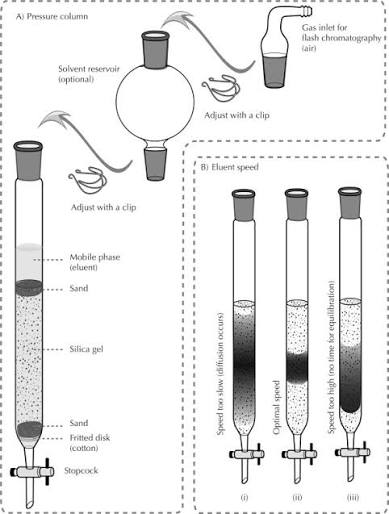
Chromatographic separation plays an important role when manufacturers need to separate sugars from other carbohydrates, organic compounds or salts. Sugar-sugar separation represents a common application, while sugar-salt and sugar-impurity separations also serve specific purification requirements.
The choice of resin influences how effectively a process can separate the desired compounds. Particle size, resin characteristics and separation kinetics can affect recovery, purity, pressure drop and water consumption in chromatographic systems.
For procurement teams, this means resin selection should connect directly to the intended application. A resin suitable for enrichment of starch-based sweeteners may not be the same candidate used for a difficult polyol or specialty sugar separation.
DuPont's AmberLite portfolio includes chromatographic resins designed for applications such as high-fructose corn syrup, beet sugar, dextrose enrichment, oligosaccharides, polysaccharides, polyols and rare sugars.
From Experimental Data to Faster Process Screening
One of the main features of the new advisor is its reliance on experimental separation data. Rather than presenting a purely theoretical prediction, the tool uses laboratory-generated information to provide a starting point for assessing relevant sugar and resin combinations.
That distinction matters during early process development because laboratory evidence can help teams narrow their investigation before committing to larger testing programs. The advisor does not replace process validation, but it can help organize the first stage of technical evaluation.
For chemical buyers and process engineers, the workflow can be particularly useful when evaluating a new feedstock or a new sweetener product. A producer exploring allulose, tagatose, sorbitol, xylose or an oligosaccharide application can begin by examining whether the available separation data points toward potentially suitable resin candidates.
Applications Across Sugar and Sweetener Markets
The potential applications extend beyond traditional sugar refining. Modern sweetener producers increasingly work with different carbohydrate streams and specialty ingredients, creating separation challenges that vary according to molecular size, composition and purity requirements.
DuPont identifies several application areas for chromatographic separation resins, including:
High-fructose corn syrup, where chromatography can support enrichment and purification of starch-derived sweeteners.
Beet sugar processing, where separation can address sugar, betaine, salts and other components in complex streams.
Dextrose enrichment, where chromatographic separation helps improve the composition and purity of the desired sugar fraction.
Oligosaccharides and polysaccharides, where differences in molecular size can support targeted fractionation.
Sugar alcohols, including products such as sorbitol, mannitol, xylitol and other polyols that can require demanding purification steps.
Rare and specialty sugars, where producers may need selective separation routes to develop higher-purity ingredients.
These applications show why resin selection can become increasingly important as producers expand beyond established sweetener categories.
AmberLite Resins Support Different Separation Requirements
The AmberLite chromatography portfolio contains different resin configurations for specific separation requirements. Product selection can involve particle size, ionic form, kinetics and the characteristics of the target mixture.
For example, DuPont describes AmberLite CR99 K/320 as a strong acid cation resin designed for simulated moving bed chromatographic separations involving starch-based sweeteners, sucrose recovery from molasses and polyol purification.
AmberLite CR99 Ca/310 targets applications including chromatographic enrichment of corn sweeteners and polyol purification. Its uniform particle size and separation characteristics support applications where recovery and purity are important process objectives.
For more demanding sweetener applications, DuPont also offers smaller-particle resin options. AmberLite CR99 Ca/280 and K/280 are designed for applications including high-purity fructose, high-purity dextrose, polyols and specialty separations.
These differences reinforce the importance of matching the resin to the actual feed stream and process objective rather than selecting a chromatography resin solely by product category.
What the Tool Means for Procurement Teams
For procurement managers, the Sugar Separation Advisor could influence how early-stage sourcing discussions begin. Instead of approaching resin purchasing as a simple product selection exercise, buyers can connect technical requirements with the separation problem they need to solve.
A more focused evaluation can help procurement teams ask suppliers more relevant questions about:
The target sugar or sweetener and the components that must be separated from it.
The required purity and recovery objectives.
Compatibility with the intended chromatographic process.
Resin particle size and available ionic forms.
Expected water use and dilution considerations.
Pressure drop and operating requirements.
Availability of samples for laboratory evaluation.
Technical support during process development.
The advisor does not eliminate the need for laboratory testing or process engineering. Instead, it can provide a starting point for identifying which resin candidates deserve closer technical investigation.
That distinction is important for buyers because purchasing decisions in specialty separation applications often depend on more than the initial resin price. Process performance, recovery, dilution, operating conditions and product quality can all influence the overall economics of a separation system.
A Wider Shift Toward Digital Process Development
The launch also reflects a broader move toward digital tools in industrial process development. Manufacturers increasingly use application data and software-based screening to reduce the time required to evaluate new process options.
For chemical and ingredient producers, the value of such tools comes from making technical information easier to apply. A procurement manager does not necessarily need to become a chromatography specialist to understand which variables matter at the initial evaluation stage.
The Sugar Separation Advisor places experimental information into an interactive workflow. Users can describe a target separation, review the resulting chromatogram and identify resin candidates before moving into more detailed testing.
This can help connect commercial, technical and procurement teams earlier in the development cycle. When those groups work from the same separation objective, the sourcing process can become more closely aligned with actual production requirements.
What Buyers Should Do Now
The introduction of the Sugar Separation Advisor gives sweetener manufacturers another resource for evaluating chromatographic separation options before committing to laboratory trials. For buyers, the most useful approach is to treat the tool as an early screening aid and then validate candidate resins against the actual process conditions.
Procurement teams evaluating chromatography materials should build their sourcing requirements around the complete application rather than resin specifications alone. Feed composition, target product, purity, recovery, process configuration and operating economics should all form part of the technical discussion.
The opportunity is particularly relevant for producers working with specialty sweeteners, sugar alcohols and complex carbohydrate mixtures. As manufacturers expand their product portfolios, the ability to assess separation possibilities quickly can become an important part of process development.
DuPont's new tool connects experimental separation data with resin selection and gives manufacturers a more direct route from an initial separation question to candidate materials. For companies exploring new sweetener processes, that can help make early technical screening more focused and support better-informed sourcing discussions.
Dextrose Monohydrate (E1200)
Found this useful?