Rubber Industry Faces Cost and Performance Tradeoffs in 6PPD Replacement Chemistry
The rubber industry faces a difficult balancing act as manufacturers evaluate 6PPD replacement chemistry for tire applications. The incumbent chemical has decades of proven performance behind it, creating a high benchmark for any alternative that aims to achieve commercial adoption.
For chemical traders and procurement teams, the challenge extends beyond identifying a technically viable substitute. Buyers must assess cost, protective performance, supply reliability and compatibility with existing rubber formulations while manufacturers work to determine how quickly alternatives can move from development into larger-scale use.
The result is a replacement market shaped less by a simple substitution decision and more by a series of technical and commercial tradeoffs.
Why 6PPD Remains Difficult to Replace
6PPD has established a strong position in rubber formulations because tire manufacturers have relied on its protective performance over many years. That long operating history gives the incumbent an important advantage when companies compare emerging alternatives.
Replacement chemistry must therefore meet a demanding standard. A candidate may demonstrate promising performance in laboratory testing, but commercial adoption requires confidence that the material can perform consistently across formulations, operating conditions and production environments.
For procurement teams, this creates several evaluation priorities:
Performance consistency: An alternative must provide dependable protection rather than occasional laboratory success.
Formulation compatibility: Tire manufacturers need materials that integrate into established rubber systems without creating unacceptable processing or performance changes.
Commercial economics: A higher-cost alternative can face resistance if its performance advantage does not justify the additional material expense.
Supply security: Manufacturers need confidence that suppliers can support commercial volumes as demand grows.
These factors make the replacement timeline difficult to predict. Technical readiness alone does not guarantee rapid market penetration.
The Core Cost and Performance Tradeoff
The central issue in 6PPD replacement chemistry is the relationship between price and performance. The incumbent benefits from established production infrastructure, established purchasing channels and extensive industrial experience.
Emerging alternatives may offer attractive characteristics, but those benefits must translate into measurable value for tire producers. If a substitute carries a significantly higher cost without delivering sufficient performance or operational advantages, procurement teams may hesitate to approve large-scale adoption.
At the same time, the lowest-cost option may not provide the protection required for demanding tire applications. This puts buyers in a position where material price cannot serve as the only selection criterion.
A more useful procurement assessment considers the total formulation value of an alternative. That means examining material cost alongside expected service performance, processing requirements, supply availability and the potential cost of reformulating established products.
What Tire Manufacturers Need From Replacement Chemistry
Tire production involves tightly controlled formulations, making changes to established ingredients more complex than simply replacing one material with another. Any candidate must fit within a broader system of polymers, fillers, curing agents and other additives.
This creates a high threshold for qualification. Manufacturers need enough technical evidence to determine whether a candidate can support the required level of tire performance without introducing new manufacturing problems.
The most important commercial questions include:
Can the alternative deliver protection close to the incumbent across relevant applications?
Does it maintain performance over the expected service life of the finished tire?
Can manufacturers incorporate it without major process changes?
Is the supplier capable of maintaining consistent quality?
Can the material reach commercially competitive pricing as volumes increase?
The answers will influence how quickly alternatives progress from development programs to broader procurement contracts.
Procurement Challenges Across the Supply Chain
For chemical traders, the emerging replacement market creates both opportunity and uncertainty. New materials can generate demand from manufacturers looking to diversify their formulations, but volumes may develop gradually as qualification programs progress.
Procurement teams also need to consider supplier concentration. A technically attractive alternative has limited commercial value if only a small number of producers can manufacture it consistently at the required scale.
Supply chain assessment should therefore cover:
Production capacity: Buyers need visibility into whether suppliers can support pilot quantities and future commercial demand.
Quality consistency: Batch-to-batch reliability becomes especially important when a new material enters a tightly controlled formulation.
Lead times: Longer delivery windows can complicate trials and production planning.
Commercial scalability: Pricing that works at laboratory or pilot scale may not remain competitive when requirements increase.
Supplier development: Buyers may need closer technical cooperation with producers during the qualification stage.
For traders, this environment favors suppliers that can provide both material availability and strong technical support. The ability to respond to changing specifications can become as important as the initial quoted price.
Why the Replacement Timeline May Remain Gradual
The decades of established performance behind 6PPD create a structural barrier to rapid replacement. Manufacturers have already built formulations, testing procedures and supply arrangements around the incumbent chemistry.
Emerging alternatives must navigate these established systems before they can achieve widespread adoption. That process can take time because manufacturers need to understand how changes affect the complete formulation rather than evaluating the replacement material in isolation.
A gradual transition also reflects commercial risk. Tire producers operate in a market where product reliability matters directly to brand reputation and customer expectations, making aggressive changes to critical formulation components difficult.
This does not eliminate the opportunity for alternatives. Instead, it suggests that adoption is likely to depend on a combination of technical validation, competitive pricing and dependable supply.
Where Chemical Traders Can Find New Opportunities
The search for alternatives creates opportunities across the rubber chemicals supply chain. Traders can support manufacturers by connecting them with producers capable of supplying candidate materials for development, testing and eventual commercial production.
The strongest opportunities may emerge where suppliers can demonstrate a clear understanding of the buyer's technical requirements. Generic material availability is less valuable when customers need specific performance characteristics and consistent specifications.
Traders can strengthen their position by focusing on:
Supplier diversification: Connecting buyers with multiple qualified producers can reduce dependence on a single source.
Technical documentation: Clear specifications and product information can help procurement teams compare candidates efficiently.
Flexible quantities: Support for development and trial volumes can help new materials enter qualification programs.
Long-term supply planning: Early discussions around capacity and pricing can support smoother commercial scaling.
This creates a market where chemical trading expertise can help bridge the gap between innovative chemistry and industrial adoption.
How Buyers Should Evaluate Alternative Materials
A procurement strategy for 6PPD replacement chemistry should avoid focusing exclusively on the quoted price. A cheaper material may become expensive if it requires additional formulation adjustments, creates processing complications or fails to deliver the expected protective performance.
Conversely, a higher-priced alternative could become commercially attractive if it provides meaningful performance or supply advantages. Buyers therefore need a structured comparison that considers both immediate purchasing costs and longer-term formulation economics.
A practical evaluation can start with four questions:
What performance level does the material deliver? Buyers should establish the technical benchmark required for the intended rubber application.
What is the realistic delivered cost? Freight, packaging, lead times and purchasing scale can affect the economics beyond the initial supplier quotation.
How secure is the supply? Production capacity and supplier diversification matter if the material moves toward commercial adoption.
What changes are required in the formulation? Any additional processing or qualification requirements should form part of the commercial assessment.
This approach gives procurement teams a clearer view of whether an alternative can create value rather than simply replace one line item with another.
The Market Outlook for 6PPD Replacement Chemistry
The replacement market is likely to remain shaped by a tension between established performance and the search for new chemistry. 6PPD benefits from decades of industrial validation, while emerging alternatives must demonstrate that they can satisfy manufacturers without creating disproportionate cost or operational burdens.
The strongest candidates will need to address several requirements simultaneously. Technical performance must remain central, but commercial scalability and supply reliability will increasingly influence purchasing decisions as manufacturers evaluate larger-scale deployment.
For chemical traders, this creates a market where early engagement can be valuable. Buyers exploring alternatives may need access to multiple suppliers, trial quantities and competitive commercial options before committing to broader procurement programs.
The pace of adoption will ultimately depend on how effectively alternative chemistries close the gap between laboratory potential and industrial economics. As manufacturers continue evaluating options, the most commercially successful materials are likely to be those that combine credible performance with dependable supply and a sustainable cost position.
The Bottom Line for Rubber Procurement Teams
6PPD replacement chemistry is not simply a matter of finding a lower-impact substitute and switching supply. The rubber industry must balance established tire protection performance against cost, formulation compatibility, supply security and the risks associated with changing a proven material.
For procurement managers, this makes supplier evaluation and commercial comparison especially important. The best sourcing strategy will keep multiple options under consideration while requiring clear evidence of technical performance and scalable supply.
Chemical traders can play a valuable role by helping buyers identify credible producers and compare alternatives as the market develops. Ready to source Carbon Black (N330) from verified global suppliers? Explore competitive offers on our platform today.
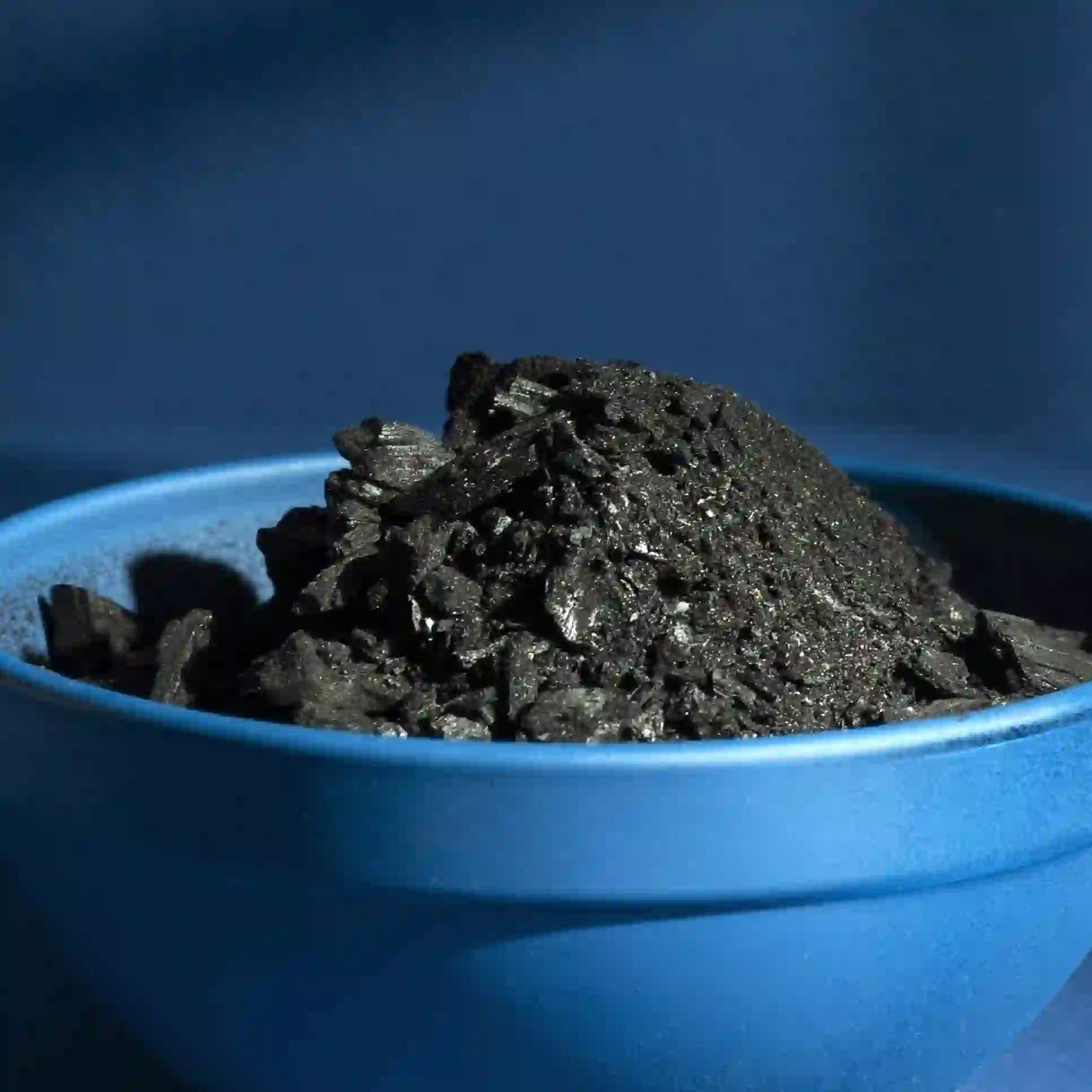
Carbon Black (N110) - India
Found this useful?