
Edible Coatings for Fresh Produce Preservation Technologies
Fresh fruits and vegetables can lose moisture, firmness, colour and freshness during storage and transportation, creating challenges for growers, exporters and food distributors. Edible coatings for fresh produce offer a preservation approach that creates a thin protective layer on the surface of fruits and vegetables.
These coatings use food-compatible ingredients such as pectin, starch, gums, proteins and lipids. Depending on their composition, they can help manage moisture loss, regulate gas exchange and support the action of selected antioxidant or antimicrobial ingredients. For chemical traders, food manufacturers and procurement teams, understanding these technologies helps identify suitable ingredients and reliable suppliers.
What Are Edible Coatings for Fresh Produce?
Edible coatings are thin layers of consumable materials applied directly to the surface of fruits and vegetables. They create a functional barrier that works alongside refrigeration, hygienic handling and conventional packaging.
Manufacturers commonly apply coatings through dipping, spraying or other suitable methods. The application method depends on the type of produce, formulation properties and processing requirements.
How Edible Coatings Preserve Freshness
A properly formulated coating can support produce preservation in several ways:
Moisture control: Coatings help reduce water loss, supporting product weight, firmness and appearance.
Gas exchange regulation: They influence oxygen and carbon dioxide movement, which affects respiration and ripening.
Oxidation management: Formulations containing suitable antioxidants can help slow oxidative changes and maintain colour.
Surface protection: Certain formulations may help limit microbial deterioration when combined with appropriate hygiene and storage practices.
Coating performance depends on the ingredient composition, thickness and characteristics of the produce. Manufacturers must balance moisture retention with sufficient gas exchange to avoid undesirable changes in product quality.
Key Ingredients Used in Edible Coating Formulations
Ingredient selection determines the coating's film-forming ability, moisture resistance, stability and suitability for different produce categories. Manufacturers often combine several materials to achieve the required performance.
Pectin and Other Polysaccharides
Polysaccharides are carbohydrate-based materials that can form films or stabilise coating solutions. They are important ingredients in many edible coating formulations.
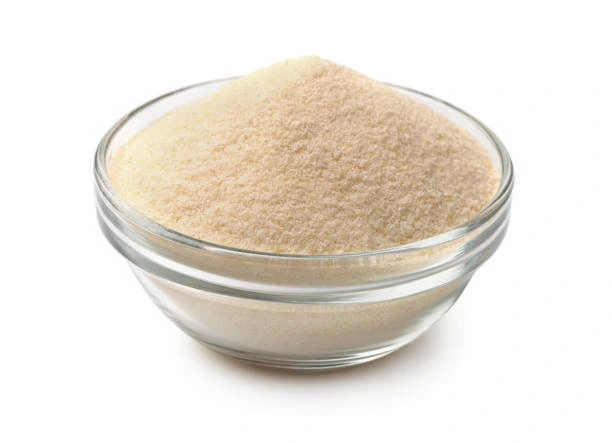
Pectin: A plant-derived ingredient that supports film formation and can be used in suitable fruit coating systems.
Xanthan gum: A microbial polysaccharide that improves viscosity and helps maintain consistent coating application.
Guar gum: A plant-derived hydrocolloid that thickens formulations and supports their handling properties.
Sodium carboxymethyl cellulose: A cellulose derivative that modifies viscosity and can contribute to film formation.
Corn starch: A widely available carbohydrate that can form films after suitable processing.
Each ingredient offers different functional properties. Manufacturers should assess concentration, processing conditions and compatibility with other formulation components before selecting a material.
Lipids for Moisture Resistance
Lipids provide water-repellent properties that can reduce moisture transfer through a coating. Suitable food-grade waxes and other lipid materials may help maintain produce quality during storage.
However, excessive coating thickness or unsuitable permeability can interfere with normal gas exchange. Manufacturers should test formulations on the intended produce to avoid undesirable texture changes, off-flavours or internal quality problems.
Protein-Based Coatings
Suitable soy proteins, gelatin and other food-grade proteins can form films that protect produce surfaces. Their performance depends on the protein source, formulation conditions and sensitivity to moisture.
Protein-based coatings may require additional ingredients to improve flexibility or stability. Buyers should also assess allergen requirements, ingredient specifications and compatibility with the intended application.
Composite Coatings for Better Performance
Composite coatings combine different ingredient categories to balance their individual strengths and limitations. For example, a polysaccharide can provide film structure while a lipid component improves moisture resistance.
Some formulations also contain antioxidants or antimicrobial ingredients. Manufacturers must assess ingredient compatibility, stability, sensory effects and regulatory suitability before commercial use.
Applications of Edible Coatings Across Produce Categories
Edible coatings can support different preservation needs depending on the type of produce, its surface characteristics and its distribution environment. A formulation that works well for one product may not deliver the same results for another.
Whole Fruits
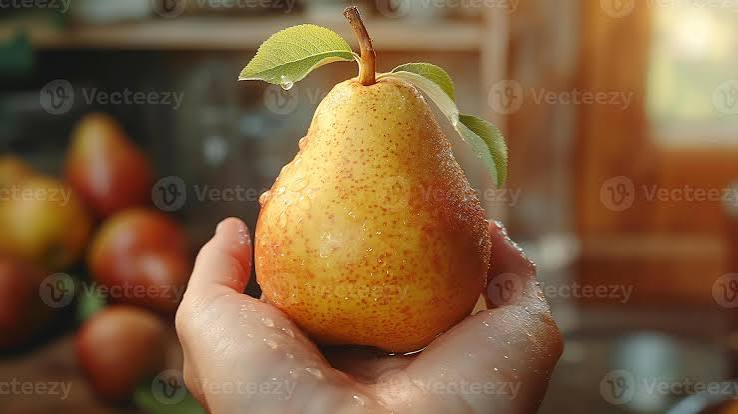
Apples, pears, citrus fruits and mangoes may benefit from coatings that reduce moisture loss and help maintain surface appearance. Manufacturers should consider respiration rate, ripening behaviour and storage temperature when selecting a suitable formulation.
Soft Fruits and Berries
Strawberries and other delicate fruits require careful control of coating thickness and application conditions. The coating should help maintain quality without creating excessive moisture or unwanted changes to natural texture.
Fresh-Cut Fruits and Vegetables
Cutting exposes internal tissues to oxygen and increases the risk of browning, moisture loss and microbial contamination. Edible coatings may help manage these changes when used alongside sanitation, appropriate packaging and refrigeration.
Vegetables
Cucumbers, peppers and selected other vegetables may benefit from coatings that reduce dehydration and help preserve firmness. The formulation must suit the vegetable's respiration characteristics and intended storage conditions.
For exporters and distributors, the objective is to maintain acceptable quality throughout handling, transportation and retail display. Trials under realistic supply-chain conditions help determine whether a coating offers meaningful commercial benefits.
Formulation Factors That Affect Coating Performance
Selecting an ingredient is only the first step in developing an effective edible coating. Manufacturers must ensure that the formulation spreads evenly, dries correctly and performs under the intended storage conditions.
Viscosity and Application Method
The coating solution needs suitable viscosity for the selected application equipment. A solution that is too thick may create uneven layers, while a solution that is too thin may provide insufficient surface coverage.
Dipping and spraying systems can require different formulation properties. Procurement teams should understand the customer's production process before recommending a particular ingredient grade.
Drying and Film Formation
A coating must develop a stable layer within the available production time. Drying conditions, temperature and ingredient interactions can influence its appearance and performance.
Manufacturers should test whether the coating adheres evenly without leaving sticky patches, visible residues or other surface defects.
Moisture and Gas Permeability
An effective formulation reduces excessive moisture loss while allowing sufficient gas exchange for the produce. The ideal balance varies because fruits and vegetables differ in respiration rate and sensitivity to oxygen and carbon dioxide.
Testing should include weight loss, firmness, colour, visible decay and sensory quality. Fresh-cut products may also require monitoring for browning and microbiological quality.
Ingredient Compatibility and Storage Stability
Ingredients can interact in ways that affect viscosity, film strength and formulation stability. Buyers should review technical specifications and conduct compatibility trials before approving commercial quantities.
Storage conditions also matter because changes in the coating solution can affect application and performance. Consistent ingredient specifications help manufacturers maintain reliable production quality.
Food Safety and Regulatory Requirements for Edible Coatings
Edible coatings come into direct contact with food, so manufacturers must select ingredients that meet the requirements of their intended application and destination market. An ingredient's industrial use does not automatically establish its suitability for food applications.
Food-Grade Specifications and Documentation
Procurement teams should verify the following before approving a supplier:
Food-grade quality: Confirm ingredient identity, purity and relevant quality specifications.
Regulatory compliance: Check permitted uses and applicable requirements in each destination market.
Certificates of analysis: Review batch-specific test results against the agreed specification.
Allergen information: Assess protein-based ingredients and other components that may require allergen declarations.
Traceability: Maintain supplier records and batch identification to support quality investigations.
Manufacturers should also evaluate sensory effects, formulation stability and the behaviour of any added active ingredients. Consistent documentation helps support quality assurance and reduce the risk of rejected shipments.
Sourcing Challenges and Opportunities for Chemical Traders
Edible coating technologies create opportunities for suppliers of hydrocolloids, film-forming materials and functional food ingredients. However, buyers need consistent quality, reliable delivery and technical documentation alongside competitive pricing.
Ingredient Quality and Supply Reliability
Natural and fermentation-derived ingredients can vary according to raw material sources and manufacturing processes. Changes in viscosity, moisture content or functional performance may affect the finished coating.
Buyers should request technical specifications and samples before committing to large orders. They should also assess supplier capacity, batch consistency and the availability of alternative sources.
Evaluating Total Procurement Costs
The lowest-priced ingredient does not always deliver the lowest formulation cost. A material that requires higher usage levels or additional stabilisation may increase overall production expenses.
Procurement teams should compare:
Cost per kilogram and expected ingredient usage.
Freight charges, import duties and delivery lead times.
Minimum order quantities and storage requirements.
Technical support and quality documentation.
Supplier consistency and continuity of supply.
Chemical traders can strengthen customer relationships by helping manufacturers identify suitable ingredient grades, coordinate sample evaluations and secure dependable deliveries.
Sustainability and Emerging Edible Coating Technologies
Edible coatings attract interest as manufacturers seek ways to reduce food losses and develop alternatives to conventional packaging materials. Their environmental benefits depend on preservation performance, ingredient sourcing and the requirements of the complete production system.
Bio-Based and Upcycled Ingredients
Materials such as pectin, starch and selected gums can support bio-based coating formulations. Manufacturers are also exploring ways to recover useful compounds from food processing by-products, potentially creating additional value from existing resources.
Alternative raw materials must still meet food safety requirements and deliver consistent functional performance.
Multifunctional Coatings
Some formulations combine film-forming ingredients with antioxidants or antimicrobial components to address multiple preservation challenges. Application methods such as dipping and spraying can also help integrate coatings into commercial processing lines.
Further development must address formulation stability, sensory acceptance, regulatory compliance and cost-effectiveness. These factors will influence commercial adoption.
What Procurement Teams Should Prioritise
Businesses sourcing edible coating ingredients should begin with the needs of the target produce rather than selecting materials on price alone. Clear specifications help buyers compare suppliers and reduce formulation risks.
A Practical Ingredient Sourcing Checklist
Define the application: Identify the fruit or vegetable, processing method and storage conditions.
Select suitable ingredients: Compare polysaccharides, proteins, lipids and composite formulations against the required performance.
Request documentation: Obtain food-grade specifications, certificates of analysis and relevant regulatory information.
Test samples: Assess coating uniformity, moisture retention, gas exchange and sensory quality.
Validate performance: Conduct trials under realistic storage, transportation and retail conditions.
Secure reliable supply: Compare total landed costs, lead times, minimum order quantities and supplier quality controls.
Pectin is one potential ingredient for polysaccharide-based coating systems, while xanthan gum, guar gum and sodium carboxymethyl cellulose may support viscosity control and formulation stability. The final choice should reflect the coating's intended function and the requirements of the specific produce.
For chemical traders and food ingredient suppliers, dependable quality, clear documentation and consistent availability can help build long-term relationships with food processors.
Pectin (E440)
SOURCE LINK: https://pubmed.ncbi.nlm.nih.gov/41297814
Found this useful?