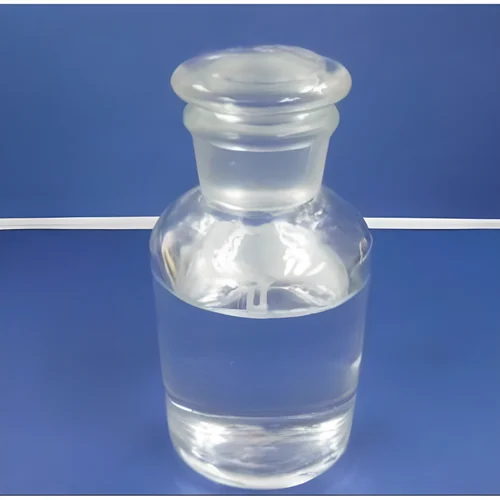
The global food packaging industry faces a potential regulatory pivot as the FDA intensifies its scrutiny of specific plasticizers. The agency is currently evaluating eight ortho-phthalates as potentially chemically or pharmacologically related substances. This ongoing assessment could fundamentally alter the landscape of food-contact packaging formulations. Procurement managers and chemical traders must closely monitor this development. The outcome will directly dictate the availability and cost of traditional plasticizers used in flexible films and rigid containers. Buyers relying on these materials need to prepare for significant supply chain adjustments. Understanding the scope of this evaluation allows sourcing teams to develop proactive contingency plans. Ignoring this signal could result in severe operational bottlenecks for downstream manufacturers.
The Role of Ortho-Phthalates in Packaging
Ortho-phthalates serve as essential plasticizers to impart flexibility and durability to polyvinyl chloride resins. These additives reduce the glass transition temperature of polymers. This chemical interaction allows manufacturers to produce flexible films, tubing and packaging materials. The eight substances under FDA review represent a significant portion of traditional plasticizer consumption. Their unique balance of cost efficiency and performance makes them historically popular in food contact applications. However, growing scientific scrutiny regarding endocrine disruption potential has prompted this regulatory reevaluation. Buyers must understand that replacing these specific molecules requires careful formulation adjustments. Simply swapping one plasticizer for another can alter the tensile strength and clarity of the final polymer product.
Understanding the FDA Evaluation Process
The FDA initiated a comprehensive safety review of eight specific ortho-phthalates used in food contact applications. The agency aims to determine if current exposure levels pose any health risks to consumers. By evaluating them as potentially related substances, the FDA considers their cumulative effects rather than assessing each molecule in isolation. This holistic approach increases the likelihood of broader regulatory action. Industry representatives are actively engaging with the agency to provide robust toxicological data. The evaluation process involves rigorous migration studies and exposure assessments. Buyers must recognize that this review is a precursor to potential restrictions or bans. Proactive preparation is far more effective than reactive scrambling.
Impact on Plasticizer Supply Chains
Regulatory uncertainty invariably introduces volatility into chemical supply chains. Procurement teams sourcing ortho-phthalates must anticipate potential shifts in supplier behavior. Manufacturers may begin scaling back production of the eight targeted substances to mitigate future liability risks. This proactive reduction in output can lead to sudden inventory shortages and extended lead times. Buyers should immediately audit their current formulations to identify dependency on these specific plasticizers.
Suppliers might prioritize alternative, non-phthalate plasticizers ahead of the final FDA ruling. This strategic shift ensures they maintain market relevance regardless of the regulatory outcome.
Contract manufacturers may impose stricter allocation limits on remaining ortho-phthalate stockpiles. Buyers must secure their required volumes early to avoid sudden production halts.
Pricing volatility is highly likely as market participants hedge against regulatory restrictions. Speculative trading can temporarily inflate costs for legacy materials.
Maintaining open communication with your primary vendors is essential during this transitional phase. Procurement professionals should request formal written assurances regarding supply continuity. Relying on verbal commitments is insufficient when facing potential regulatory bans.
Strategic Sourcing and Alternative Material Evaluation
Forward-thinking procurement managers will use this evaluation period to evaluate alternative plasticizing agents. Transitioning to non-phthalate alternatives requires extensive testing to ensure product performance remains uncompromised. Buyers must collaborate closely with their research and development teams to validate new formulations. Sourcing Dioctyl Phthalate (DOP) alternatives involves assessing migration rates, thermal stability and regulatory compliance in target markets. Engaging with suppliers who offer robust portfolios of compliant plasticizers reduces long-term transition risks. Securing trial quantities of alternative materials now prevents frantic sourcing efforts if the FDA ultimately restricts the eight ortho-phthalates. Early testing also helps identify any necessary adjustments to manufacturing equipment or processing temperatures.
Navigating Compliance and Documentation Requirements
The ongoing evaluation demands rigorous attention to regulatory documentation. Suppliers must provide updated certificates of analysis and compliance statements for all food contact materials. Procurement professionals should mandate that their vendors maintain transparent communication regarding FDA submission statuses. Failure to secure proper documentation can result in costly product recalls or customs rejections. Establishing a centralized database for tracking supplier compliance certificates streamlines the auditing process. Buyers must also stay informed about parallel regulatory actions in the European Union and other global markets. Divergent international regulations complicate global supply chains and require region-specific sourcing strategies. Harmonizing your compliance standards across all operating regions minimizes administrative burdens.
Financial Implications of Regulatory Shifts
Regulatory transitions carry significant financial implications for both buyers and suppliers. Reformulating existing products requires substantial investment in research, testing and quality assurance. Procurement budgets must account for potential price premiums associated with newer, compliant plasticizer alternatives. Suppliers will likely pass the costs of regulatory compliance and new product development down the supply chain. Buyers should negotiate long-term contracts to lock in favorable pricing before market-wide transitions drive up costs. Additionally, companies must factor in the potential write-down of existing ortho-phthalate inventory if the FDA issues a strict ban. Financial planning teams need to model various regulatory outcomes to ensure adequate capital reserves.
The global plasticizer market is already shifting toward safer, sustainable alternatives. The FDA review of these eight ortho-phthalates will likely accelerate this existing industry trend. Manufacturers investing heavily in bio-based and non-phthalate plasticizers will gain a significant competitive advantage. Buyers can expect a gradual but steady increase in the market share of these alternative materials. Pricing for compliant alternatives may stabilize as production scales up to meet growing demand. Companies that delay their transition risk facing severe supply constraints and premium pricing for legacy materials. Proactive adaptation will separate market leaders from those struggling with compliance.
What Buyers Should Do Now
Procurement teams must act decisively during this regulatory evaluation window. Conduct a thorough audit of all current plasticizer usage within your organization. Identify any products relying on the eight ortho-phthalates under FDA review. Initiate immediate conversations with your chemical suppliers regarding their contingency plans and alternative product offerings. Request samples of non-phthalate substitutes to begin internal testing and validation processes. Update your supplier qualification criteria to prioritize vendors with strong regulatory compliance track records. Building a resilient and adaptable supply chain is the most effective defense against impending regulatory changes. Do not wait for the final FDA ruling to initiate these critical supply chain adjustments.
Ready to source Dioctyl Phthalate (DOP) from verified global suppliers? Explore competitive offers on our platform today.