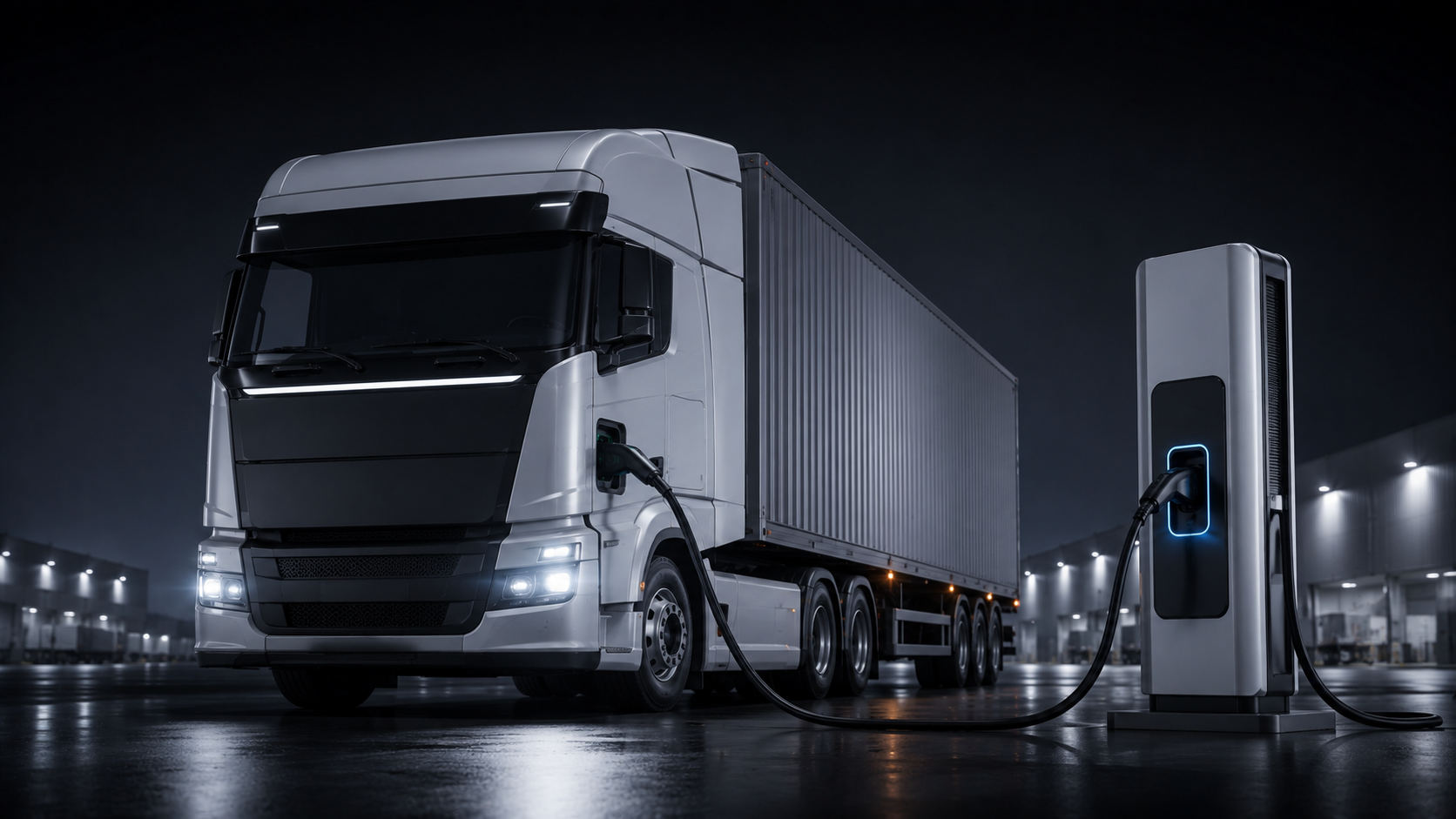
Transport accounts for a significant share of industrial emissions, making electrification of transport one of the fastest growing priorities for companies that move chemicals across regional and global supply chains. Manufacturers, distributors and logistics providers now evaluate fleet investments alongside procurement strategies instead of treating transportation as a separate function.
Chemical businesses increasingly compare battery electric vehicles, hydrogen fuel cell trucks and alternative fuel solutions based on operating costs, reliability and sustainability targets. Fleet decarbonization has evolved from a long-term environmental objective into a commercial decision that influences supplier selection, contract negotiations and customer relationships.
Why Fleet Decarbonization Matters for Chemical Logistics
The chemical industry depends on reliable transportation to move raw materials, intermediates and finished products between production sites, warehouses and customers. Any improvement in fleet efficiency can directly reduce operating costs while supporting corporate sustainability commitments.
Electrified transport also helps companies prepare for stricter environmental policies and changing customer expectations. Many industrial buyers now consider emissions performance alongside pricing and delivery reliability during supplier evaluations.
Comparing Electric, Hydrogen and Alternative Fuel Fleets
Fleet operators have several pathways to reduce transport emissions. Each option offers different advantages depending on vehicle size, operating distance and infrastructure availability.
Battery electric vehicles perform well on predictable routes with regular charging opportunities. Lower maintenance requirements can improve long-term operating efficiency.
Hydrogen fuel cell vehicles suit longer routes where rapid refueling matters. They offer extended driving range while producing only water during operation.
Alternative fuels, including renewable liquid fuels and renewable gas, allow companies to reduce emissions without replacing every vehicle immediately. This approach can simplify fleet transition while existing assets remain in service.
Many organizations choose a combination of technologies instead of relying on a single solution. Regional infrastructure, vehicle availability and freight patterns often determine the best mix.
Total Cost of Ownership Is Changing Investment Decisions
Purchase price no longer tells the complete financial story. Procurement teams increasingly analyze the total cost of ownership before approving new fleet investments.
Key factors include:
Vehicle acquisition costs and financing arrangements.
Fuel or electricity expenses over the vehicle's operating life.
Maintenance requirements, which often decrease for electric drivetrains because they contain fewer moving parts.
Vehicle utilization rates, expected lifespan and residual value.
Government incentives, tax benefits and emissions compliance costs where applicable.
Although electric trucks may require higher upfront investment, many operators find that reduced operating expenses improve overall economics during long-term ownership.
Charging Infrastructure Becomes Part of Procurement Strategy
Fleet electrification requires more than purchasing new vehicles. Companies must also develop reliable charging infrastructure that supports daily operations.
Investment decisions often include:
Depot charging for overnight fleet operations.
Fast charging for high-utilization vehicles.
Smart energy management systems that reduce electricity demand during peak pricing periods.
Backup power planning to maintain operational continuity.
Businesses expanding warehouse networks increasingly evaluate electrical capacity alongside traditional logistics considerations. Infrastructure planning now forms an essential part of transportation strategy rather than an afterthought.
Supply Chain Benefits Beyond Lower Emissions
Fleet decarbonization delivers operational advantages that extend beyond sustainability reporting.
Companies often experience:
Improved energy efficiency across transportation operations.
Lower maintenance downtime because electric powertrains require fewer routine service activities.
Reduced exposure to fuel price volatility when electricity contracts provide greater cost stability.
Better alignment with customer sustainability requirements during supplier qualification processes.
These benefits can strengthen competitiveness in markets where environmental performance increasingly influences purchasing decisions.
Infrastructure Challenges Still Require Careful Planning
Despite strong momentum, fleet electrification presents practical challenges that procurement managers should evaluate carefully.
Charging infrastructure requires significant capital investment and coordination with local electricity providers. Companies operating across multiple countries may also encounter different regulatory requirements and charging standards.
Heavy-duty transport presents additional complexity because larger vehicles consume more energy and often operate under demanding schedules. Organizations must balance charging time, route planning and delivery commitments while maintaining service quality.
Hydrogen infrastructure also continues to develop in many regions. Fleet operators considering fuel cell technology should evaluate local refueling availability before expanding vehicle purchases.
Chemical Industry Opportunities Created by Transport Electrification
Transport electrification creates new demand throughout the chemical value chain. Chemical manufacturers supply essential materials used in batteries, electric motors, charging equipment and renewable energy systems.
Growing opportunities include:
Lithium-ion battery materials and specialty chemicals.
Thermal management fluids for battery cooling systems.
High-performance coatings that protect charging infrastructure.
Engineering plastics used in lightweight vehicle components.
Adhesives and sealants that support electric vehicle manufacturing.
As vehicle electrification expands, demand for these materials will continue influencing chemical production, international trade and procurement strategies.
Regulations and Customer Expectations Continue to Evolve
Governments worldwide continue introducing policies that encourage lower-emission transportation. These measures influence vehicle purchasing decisions, infrastructure investment and fleet modernization plans.
Large industrial customers also expect suppliers to demonstrate measurable progress toward sustainability objectives. Transport emissions increasingly appear in supplier assessments, contract negotiations and environmental reporting frameworks.
Companies that begin fleet decarbonization earlier often gain experience before future regulatory requirements become more demanding.
What Procurement Teams Should Prioritize
Successful fleet electrification depends on careful planning rather than rapid vehicle replacement.
Procurement leaders should focus on several priorities:
Assess current fleet utilization and identify routes suitable for early electrification.
Compare lifetime ownership costs instead of concentrating only on purchase price.
Coordinate vehicle procurement with charging infrastructure development.
Engage logistics partners that share long-term decarbonization objectives.
Monitor technology improvements as battery performance and charging capabilities continue advancing.
Transport electrification represents a strategic transformation rather than a simple equipment upgrade. Companies that integrate fleet planning with procurement, infrastructure investment and sustainability objectives will position themselves for greater operational resilience and long-term cost efficiency.
Ready to source fleet decarbonization solutions from verified global suppliers? Explore competitive offers on our platform today.