Few industrial processes consume as much energy as steam cracking. Responsible for producing ethylene, the world's most important petrochemical building block, steam crackers sit at the heart of global plastics manufacturing. In 2026, however, several leading chemical companies are pursuing a different approach. Rather than relying solely on carbon capture to reduce emissions, they are testing electrically heated cracker technologies that could fundamentally change how ethylene is produced.
Pilot projects announced by major producers including BASF, Dow and SABIC reflect a broader industry trend. While commercial deployment remains several years away, these demonstration facilities provide valuable insight into one of the most promising decarbonisation pathways for the petrochemical sector.
Why Ethylene Crackers Matter
Ethylene serves as the foundation for a vast range of chemical products. Manufacturers convert it into polyethylene, ethylene oxide, ethylene glycol, vinyl chloride and numerous other intermediates used across packaging, automotive manufacturing, construction and consumer goods.
Producing ethylene requires steam cracking, a process that heats hydrocarbon feedstocks such as ethane or naphtha to extremely high temperatures. Conventional furnaces burn natural gas or other fuels to generate the required heat, making crackers among the largest sources of carbon emissions within integrated petrochemical complexes.
Because cracking furnaces operate continuously and consume enormous amounts of energy, even modest efficiency improvements can deliver meaningful reductions in emissions and operating costs.
What Is an Electrified Steam Cracker?
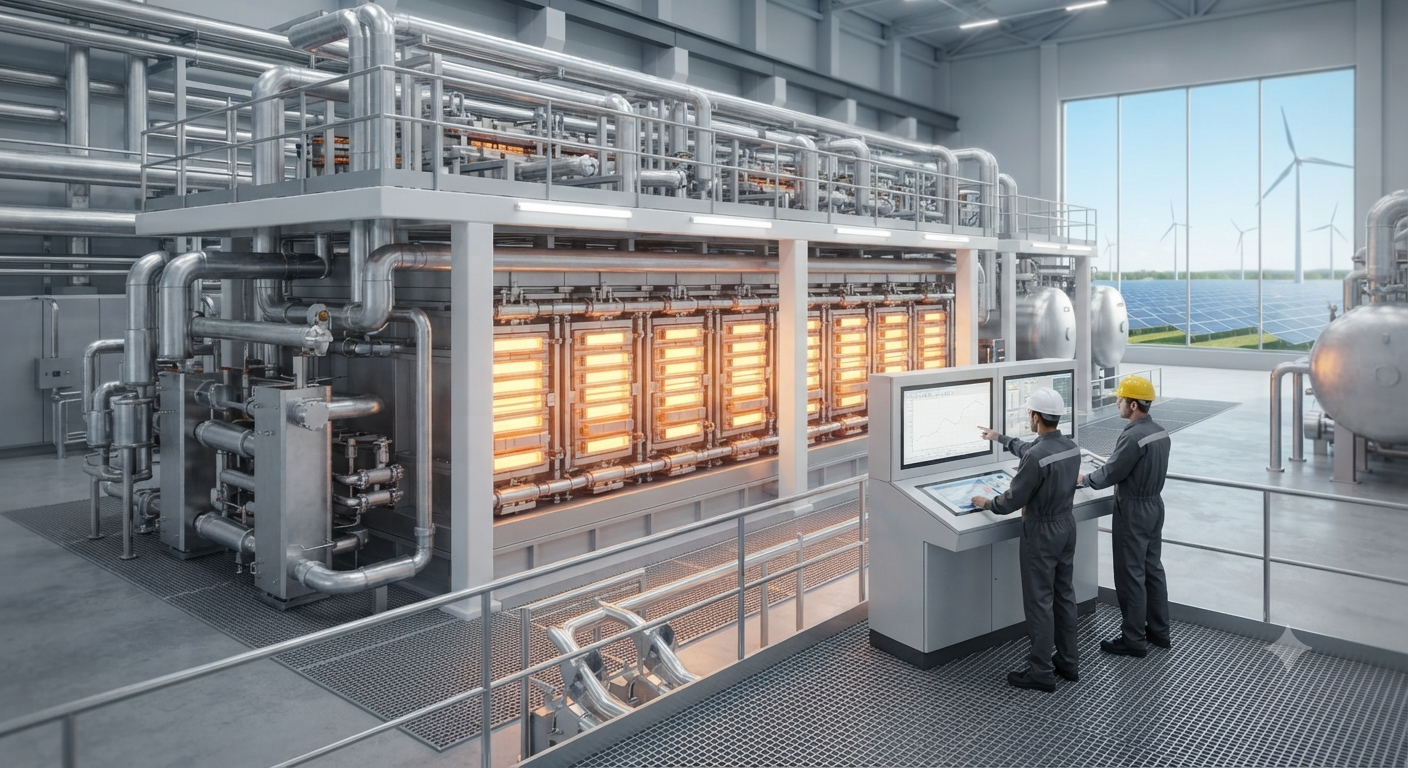
Electrified cracking replaces conventional combustion systems with electric heating technologies capable of reaching the temperatures required for steam cracking.
Instead of burning fuel inside furnace tubes, electricity supplies the thermal energy needed to crack hydrocarbon molecules into smaller products such as ethylene and propylene.
Although the chemistry remains unchanged, the heating method differs significantly.
The process generally follows these stages.
Hydrocarbon feedstocks enter the cracking furnace.
Electric heating elements or advanced resistive systems generate process heat.
Hydrocarbons crack into lighter molecules including ethylene and propylene.
Existing downstream separation and purification systems recover finished products using conventional processing equipment.
This compatibility with downstream assets makes electrification attractive because producers can modernise furnace technology without redesigning entire petrochemical complexes.
Why Chemical Producers Are Exploring Electrification
Carbon capture remains one route toward lower-emission chemical manufacturing, but it does not eliminate the need for combustion inside conventional furnaces.
Electrification addresses emissions from a different direction by replacing fossil fuel combustion with electricity. When renewable power supplies the process, operational carbon emissions can decline significantly.
Several factors explain why chemical companies continue investing in pilot projects.
Electrification reduces direct combustion emissions from one of the most energy-intensive stages of petrochemical manufacturing.
Existing separation, purification and polymer production units remain largely compatible with electrified furnace technology.
Increasing renewable electricity capacity improves the long-term business case for electric process heating.
Future carbon pricing could strengthen the commercial competitiveness of lower-emission production technologies.
Rather than competing directly with carbon capture, electrification may become another tool that producers combine with broader decarbonisation strategies.
BASF, Dow and SABIC Move From Research to Pilot Projects
Throughout 2026, several global chemical producers have continued evaluating electrically heated cracker technologies through demonstration programmes and collaborative development projects.
The common objective is to determine whether electric heating systems can achieve the same production efficiency, product quality and operational reliability as conventional cracking furnaces while substantially reducing greenhouse gas emissions.
Each company brings different technical expertise to the effort.
BASF continues exploring advanced electrification concepts that integrate with existing petrochemical production infrastructure.
Dow has expanded research into low-carbon manufacturing technologies as part of broader decarbonisation initiatives across its global operations.
SABIC remains active in collaborative projects focused on improving process efficiency while reducing lifecycle emissions from petrochemical manufacturing.
Although these projects remain at the pilot stage, they provide valuable operational data that will help determine whether large-scale commercial deployment becomes technically and economically viable over the coming decade
The Technical Challenges Still Ahead
Despite encouraging progress, electrified cracking remains an emerging technology with several engineering hurdles before large-scale commercial deployment.
The most significant challenge involves generating extremely high process temperatures while maintaining the precise thermal control required for continuous cracking operations. Reliability is equally important because unplanned shutdowns can have substantial economic consequences in integrated petrochemical facilities.
Other technical considerations include:
Designing electric heating systems capable of operating continuously under demanding industrial conditions.
Managing significantly higher electricity demand within existing chemical complexes.
Upgrading power distribution infrastructure to support large industrial electrical loads.
Demonstrating long-term equipment durability and maintenance performance under commercial operating conditions.
These challenges explain why pilot programmes remain an essential step before widespread industry adoption.
What Electrification Could Mean for Polymer Markets
If commercial deployment accelerates during the next decade, electrified crackers could gradually reshape the economics of polymer production.
Lower operational emissions may become an important competitive advantage as customers increasingly request lower-carbon materials and governments continue expanding emissions regulations. However, production costs will remain closely linked to regional electricity prices.
Procurement teams should therefore monitor factors beyond traditional oil and gas markets.
Important market indicators include:
Renewable electricity availability in major petrochemical production regions.
Expansion of industrial power infrastructure supporting large manufacturing facilities.
Carbon pricing policies that influence investment decisions.
Commercial performance data emerging from pilot projects.
Capital investment announcements for full-scale electrified cracker facilities.
Understanding these developments can help buyers anticipate future changes in polymer sourcing strategies and supplier capabilities.
Looking Beyond the Pilot Stage
The current generation of pilot projects represents an important learning phase rather than the final destination.
Over the next several years, engineering teams will evaluate energy efficiency, operating reliability, maintenance requirements and overall production economics. Successful demonstration projects could encourage broader investment across global petrochemical manufacturing, while lessons from early deployments will help improve future designs.
Commercial adoption is unlikely to occur simultaneously across every region. Markets with abundant renewable electricity, supportive policy frameworks and modern industrial infrastructure are expected to lead initial deployment.
For procurement professionals, this means monitoring technology readiness alongside traditional supply fundamentals. Future supplier evaluations may increasingly consider not only product quality and pricing but also manufacturing methods and carbon intensity.
Preparing for a New Era of Petrochemical Manufacturing
Electrifying steam crackers represents one of the chemical industry's most ambitious efforts to reduce emissions without changing the chemistry of polymer production. By replacing combustion with electricity, producers aim to preserve the efficiency of existing manufacturing systems while lowering the carbon footprint of one of the sector's most energy-intensive processes.
Although significant technical and economic challenges remain, the pilot projects announced during 2026 demonstrate that electrification has moved beyond theoretical research. As more operational data becomes available, procurement teams will gain a clearer understanding of how this technology could influence future polymer availability, production costs and supplier competitiveness.
Ready to source High Density Polyethylene (HDPE) from verified global suppliers? Explore competitive offers on our platform today.