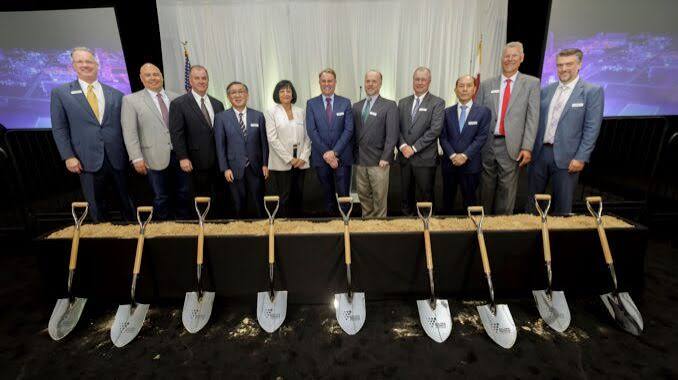
Eli Lilly Breaks Ground on a $6.5B Houston API and Advanced Therapeutics Site
Eli Lilly is putting $6.5 billion behind a major new pharmaceutical manufacturing project in Houston, creating a significant signal for the US active pharmaceutical ingredient, or API, supply chain. The new site will manufacture APIs including Foundayo and support advanced therapeutics production while creating more than 600 high-wage jobs.
For chemical traders, procurement managers and pharmaceutical supply partners, the investment matters beyond the scale of the construction project. A large API manufacturing operation requires dependable access to raw materials, processing chemicals, solvents and other inputs, making supply reliability a central consideration as the facility develops.
Why the $6.5 Billion Houston Investment Matters
The size of Eli Lilly's Houston commitment places the project among major investments in pharmaceutical manufacturing capacity. The facility will combine API production with advanced therapeutics activities, giving the site a role across more than one stage of pharmaceutical manufacturing.
For procurement teams, a project of this scale can create opportunities across several supply categories. Manufacturers need consistent chemical inputs, reliable logistics and suppliers capable of maintaining specifications over extended production cycles.
The investment also reinforces the importance of domestic pharmaceutical manufacturing capacity. As pharmaceutical companies expand production infrastructure, chemical suppliers that can support stringent quality requirements and predictable deliveries become increasingly important to the broader manufacturing ecosystem.
API Manufacturing Creates a Broad Chemical Supply Chain
API production depends on carefully controlled manufacturing processes. While the exact chemical requirements vary by molecule and production method, pharmaceutical facilities can purchase a wide range of solvents, reagents, processing chemicals and supporting materials.
Common procurement considerations include:
Solvents: Materials such as ethyl acetate and other process solvents can support chemical processing, extraction, purification and cleaning operations where specifications permit.
Process chemicals: Acids, bases and other industrial chemicals can serve defined roles within manufacturing processes and facility operations.
Specialty inputs: Certain API processes require tightly specified intermediates or chemical inputs that demand stronger supplier qualification.
Utilities and maintenance chemicals: Large production facilities also consume chemicals associated with water treatment, cleaning and routine plant operations.
For traders, the opportunity does not simply come from selling large volumes. Pharmaceutical buyers typically need suppliers that can demonstrate consistent quality, dependable documentation and reliable batch-to-batch performance.
What the Houston Site Means for Chemical Procurement
A major pharmaceutical manufacturing site can influence procurement strategy well before full production begins. Construction, commissioning and eventual commercial operations can create different categories of demand at different stages.
Procurement teams should distinguish between construction-related requirements and long-term manufacturing inputs. A supplier that can serve one phase may not automatically qualify for another.
During the operational phase, buyers are likely to place greater emphasis on:
Consistent chemical specifications and product quality.
Reliable delivery schedules that support production planning.
Appropriate packaging and transportation arrangements.
Documentation that supports pharmaceutical supply requirements.
Supplier continuity and the ability to maintain volumes over time.
This creates an opening for chemical trading platforms that connect industrial buyers with suppliers capable of serving demanding procurement programs.
Workforce Development Adds a Long-Term Dimension
The Houston project also includes a $12.5 million workforce training commitment with San Jacinto College. That investment links the manufacturing project to the development of technical skills needed to support advanced pharmaceutical operations.
More than 600 high-wage jobs are expected from the project. Beyond the direct employment impact, the creation of a specialized workforce can strengthen the local industrial ecosystem around pharmaceutical production.
For chemical suppliers, a growing concentration of trained manufacturing professionals can support stronger technical communication between buyers and vendors. Chemical procurement in pharmaceutical environments often requires teams that understand specifications, handling requirements, quality systems and supply continuity.
The workforce component therefore adds another dimension to the project. It is not only about physical production capacity but also about building the human capabilities needed to operate an advanced manufacturing site.
Where Chemical Traders Can Find Opportunities
The Houston investment can create several potential opportunities for companies serving pharmaceutical manufacturing supply chains. The most relevant opportunities will depend on the eventual production requirements and approved supplier specifications.
Chemical traders can position themselves around several priorities:
Supply reliability: Buyers need confidence that agreed volumes can arrive when required, particularly when production schedules depend on specific chemical inputs.
Specification control: Pharmaceutical manufacturing places strong emphasis on material consistency, so suppliers should be prepared to provide accurate product specifications and supporting documentation.
Flexible logistics: Houston's industrial infrastructure creates opportunities for suppliers that can manage different shipment sizes and delivery schedules efficiently.
Supplier diversification: Manufacturers may seek dependable alternatives that reduce exposure to interruptions from individual sources.
Technical support: Suppliers that understand how their products are handled and transported can provide greater value to procurement teams.
The strongest commercial relationships in this environment typically depend on more than price. Buyers need confidence that a supplier can perform consistently throughout the relationship.
Quality and Compliance Will Shape Supplier Selection
Pharmaceutical chemical procurement carries requirements that differ from many general industrial markets. A material may meet a basic commercial specification yet still require additional review before a pharmaceutical manufacturer can approve its use.
Procurement teams therefore need to examine the complete supplier package rather than focusing only on quoted prices. Documentation, traceability, packaging, handling procedures and delivery reliability can all affect the purchasing decision.
For chemical traders entering pharmaceutical supply chains, preparation should include:
Clear product specifications and grades.
Consistent documentation for each shipment.
Defined packaging and storage conditions.
Reliable batch identification and traceability.
Transparent communication about origin and supply availability.
These factors can help suppliers build credibility when approaching buyers connected to large pharmaceutical manufacturing projects.
Houston Could Strengthen Regional Chemical Demand
A project of this scale can have effects beyond the facility itself. New pharmaceutical manufacturing capacity can support demand across logistics, industrial services, technical staffing and chemical supply networks.
Houston already serves as a major industrial center, making the addition of advanced pharmaceutical manufacturing particularly relevant for chemical traders seeking opportunities in the US market. Suppliers located closer to major manufacturing clusters may be able to compete through shorter delivery windows and more responsive service.
International exporters can also participate when their products meet buyer requirements and shipment economics remain competitive. For exporters, the key challenge is balancing landed cost with documentation, consistency and dependable delivery.
This creates room for both domestic distributors and international chemical suppliers. Buyers can benefit from broader sourcing options while suppliers gain access to a market connected to expanding pharmaceutical manufacturing activity.
How Procurement Teams Should Prepare for New API Demand
The Houston project provides procurement teams with a useful reason to review their sourcing strategies before demand reaches full operational scale. Early preparation can help buyers identify supply gaps and evaluate alternatives without waiting for urgent requirements.
A practical procurement review can focus on five areas:
Supplier capacity: Determine whether existing suppliers can support higher volumes without affecting consistency or delivery performance.
Alternative sources: Build a qualified network of suppliers rather than depending on a single source for critical materials.
Logistics planning: Review shipment sizes, lead times, storage needs and transportation routes for chemicals likely to support production.
Documentation readiness: Ensure suppliers can provide the technical and commercial documents required during qualification and purchasing.
Price visibility: Track market conditions regularly so procurement teams can distinguish temporary price movements from longer-term supply changes.
This approach can help buyers manage growth while keeping supply chains responsive.
What the Project Signals for Pharmaceutical Chemical Markets
Eli Lilly's $6.5 billion Houston investment demonstrates the scale of capital being directed toward advanced pharmaceutical manufacturing infrastructure. The combination of API production, advanced therapeutics, job creation and workforce training gives the project significance across both manufacturing and industrial supply chains.
For chemical traders, the key opportunity lies in understanding what large pharmaceutical facilities require from their suppliers. Competitive pricing remains important, but pharmaceutical procurement also rewards consistency, documentation, logistics capability and long-term reliability.
The project also highlights the importance of preparing early. Chemical companies that build strong supplier networks, maintain accurate product information and develop dependable logistics capabilities can be better positioned to respond as new manufacturing capacity moves toward operation.
What Buyers Should Do Now
Procurement managers and chemical traders can use major pharmaceutical investments as a signal to examine their own supply strategies. The most useful step is to identify which chemicals and supporting materials could experience stronger demand as manufacturing capacity expands.
Buyers should also assess whether their current suppliers can meet pharmaceutical-grade expectations where applicable. Comparing specifications, delivery capabilities and documentation before a purchasing requirement becomes urgent can reduce sourcing friction later.
For exporters and distributors, the Houston development represents an opportunity to strengthen relationships with pharmaceutical supply chains while focusing on the fundamentals buyers value most: reliable quality, competitive commercial terms and dependable delivery.
As Eli Lilly develops its Houston API and advanced therapeutics site, the project will remain relevant to chemical suppliers watching US pharmaceutical manufacturing capacity. For procurement teams, the message is clear: large-scale pharmaceutical expansion can create opportunities across the chemical supply chain, but suppliers must be prepared to meet demanding operational requirements. Ready to source Ethyl Acetate from verified global suppliers? Explore competitive offers on our platform today.
Source:
Ethyl Acetate
Found this useful?