Elkem Awarded 1.3 Million Extra EU ETS Allowances for 2021-2025

Elkem Awarded 1.3 Million Extra EU ETS Allowances for 2021–2025
Elkem ASA has received 1.3 million additional free emission allowances under the European Union Emissions Trading System (EU ETS) for the 2021–2025 period. The allowances were awarded by the Norwegian Environment Agency following a review of how Norway's silicon, ferrosilicon and manganese producers were treated compared with equivalent producers in the European Union.
The decision provides Elkem with an adjustment to its previous allocation and addresses concerns over differences in the application of EU ETS rules between Norwegian and EU industrial installations.
Why the Additional Allowances Were Granted
Elkem had previously raised concerns about the allocation of free EU ETS allowances to its Norwegian production facilities. In July 2025, Norway's Ministry of Climate and Environment concluded that Norwegian silicon, ferrosilicon and manganese producers had been treated unequally compared with producers in EU countries. The case was subsequently sent back to the Norwegian Environment Agency for reassessment.
The reassessment resulted in Elkem receiving approximately 1.3 million additional free allowances covering the 2021–2025 trading period.
According to information released by Elkem, its Norwegian silicon production facilities had previously received free allowances equivalent to approximately 72% of historical emissions, while comparable installations in EU countries received approximately 94%.
Understanding EU ETS Allowances
The EU ETS is Europe's carbon-pricing system for greenhouse-gas emissions. Companies covered by the system generally need to surrender allowances corresponding to their emissions.
Some industries receive a portion of their allowances for free, particularly sectors considered to be at significant risk of carbon leakage. Carbon leakage refers to the possibility that production could move to regions with less stringent climate policies because of the cost associated with emissions regulation.
Free allocation is therefore intended to help exposed industries remain competitive while continuing to operate under emissions regulations.
For the 2021–2025 period, free allocations were calculated according to EU ETS rules and relevant production benchmarks. Norway participates in the EU ETS, although its allocation procedures are administered through Norwegian authorities.
Impact on Elkem's Norwegian Operations
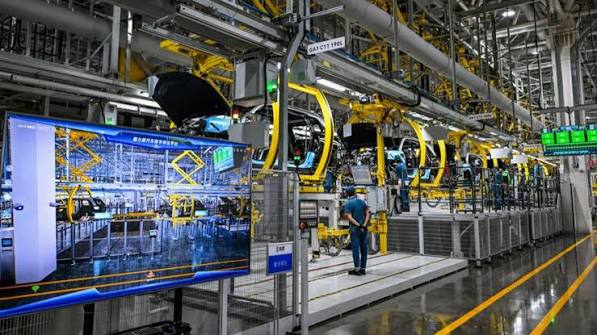
The additional allocation affects Elkem's Norwegian silicon-related operations. The company operates several major industrial plants in Norway, including facilities at Bjølvefossen, Bremanger, Rana, Salten and Thamshavn.
These operations are energy-intensive and therefore have significant exposure to electricity costs and carbon-related regulations. Additional free allowances can reduce the amount of emission allowances that the affected facilities would otherwise need to obtain to cover their regulated emissions.
The adjustment also brings the historical allocation closer to the levels received by comparable European installations.
Supporting Industrial Competitiveness
Elkem has described the issue as important for maintaining a level playing field between Norwegian and European producers. The company has argued that differences in free allocation could affect the competitiveness of Norwegian production compared with similar facilities elsewhere in Europe.
The additional allowances therefore have significance beyond the immediate allocation itself. They address a regulatory difference that Elkem had identified as affecting the competitive position of its Norwegian plants.
For energy-intensive industries such as silicon and ferrosilicon production, carbon costs can form an important part of overall production economics.
Implications for Carbon Leakage
The allocation of free allowances is closely linked to the EU's carbon-leakage policy. If companies exposed to international competition face substantially higher carbon-related costs than producers in regions with less stringent regulations, production could potentially shift outside the regulated market.
The EU ETS framework attempts to address this risk for certain sectors through mechanisms including free allocation. The European Commission notes that free allowances are particularly relevant for industries considered exposed to carbon leakage.
Elkem's case illustrates how differences in the implementation of these mechanisms can become important for industrial companies operating in closely integrated European markets.
What Changes for 2026–2030?
The development also has implications beyond the 2021–2025 period. Elkem has stated that its Norwegian plants are expected to receive free allowances for 2026–2030 in line with comparable industrial producers in the EU.
This includes its facilities at Bjølvefossen, Bremanger, Rana, Salten and Thamshavn. The alignment is intended to provide greater consistency in the treatment of Norwegian installations under the emissions trading framework.
The European Commission has also updated the EU ETS rules and benchmarks for the 2026–2030 allocation period, with annual reduction rates for free-allocation benchmarks becoming stricter than during the previous period.
Importance for the Silicon Industry
Silicon and ferrosilicon are important industrial materials used across sectors including aluminium production, automotive manufacturing, construction, electronics and renewable-energy technologies.
Production of these materials is energy-intensive, making access to competitive electricity and management of carbon costs important factors for producers.
For companies operating in Europe, the interaction between energy prices, emissions regulations and international competition continues to influence production decisions.
Elkem's additional EU ETS allowances provide an example of how adjustments to carbon-allocation rules can affect the economics of energy-intensive manufacturing.
Broader Significance for European Industry
The Elkem decision comes as European policymakers continue to balance climate objectives with industrial competitiveness. The EU ETS is designed to reduce greenhouse-gas emissions through carbon pricing, while free allocation provides transitional protection to industries exposed to international competition and carbon-leakage risks.
The case also highlights the importance of consistent application of emissions-trading rules across closely connected European markets.
For industrial companies, predictable carbon regulations and comparable treatment across jurisdictions can influence investment decisions, production costs and long-term competitiveness.
Looking Ahead
Elkem's receipt of 1.3 million additional EU ETS allowances resolves an allocation issue covering the 2021–2025 period and brings its historical treatment closer to that of comparable EU producers. The decision follows the Norwegian Ministry of Climate and Environment's 2025 finding that Norwegian producers had been treated differently from their EU counterparts.
The development also points toward a more aligned approach for the 2026–2030 trading period. As European carbon regulations become increasingly important for energy-intensive industries, companies such as Elkem will continue to monitor the interaction between emissions costs, free allowances, energy prices and international competitiveness.
The case demonstrates how carbon-market policies can have a direct impact on industrial operations and the broader European materials supply chain.
Acesulfame Potassium (E950)
Found this useful?