Eneos-TPC Group Deal Will Likely Face Standard Cross-Border Antitrust Review
ENEOS Holdings agreed on August 7, 2026 to acquire TPC Group, a Houston based processor of crude C4 hydrocarbons, in a deal valuing the company at approximately $1.28 billion including debt. The transaction will make ENEOS the world's third largest butadiene producer once it closes, expected in October 2026.
Compared with the multi-billion dollar megadeals that have defined recent petrochemical consolidation, this is a modest transaction. That size matters for how it will move through regulatory review.
What ENEOS Is Actually Acquiring
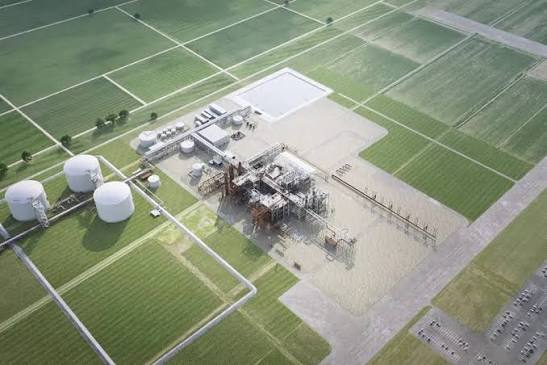
TPC Group holds the largest market share in North America across several key C4 products, including butadiene, raffinate, 1-butene and polybutene. The company's assets include petrochemical operations in Houston, Texas, along with terminal operations in Port Neches, Texas and Lake Charles, Louisiana.
For ENEOS, the acquisition strengthens what the company describes as its core operational expertise in the crude C4 business. Butadiene is the key feedstock behind synthetic rubber production, particularly solution-polymerized styrene-butadiene rubber, an area ENEOS has already been expanding globally through its materials business.
TPC generated roughly $25 million in operating profit on $1.51 billion in net sales in the prior year.
Redwood Capital Management holds the largest ownership stake at 40.5%, followed by Monarch Alternative Capital at 21.4% and PGIM at 19.8%.
TPC previously filed for Chapter 11 bankruptcy protection in 2022, following years of declining performance and the financial fallout from a 2019 explosion at its Port Neches facility.
Why This Deal Likely Clears Antitrust Review Without Much Friction
Under the Hart-Scott-Rodino Act, most US transactions above roughly $126 million in value require premerger notification to the Federal Trade Commission and Department of Justice, followed by a standard 30 day waiting period before closing. At $1.28 billion, the Eneos-TPC deal comfortably clears that threshold and will require an HSR filing.
What makes this deal likely to move through review without significant complication is market structure rather than size. ENEOS does not currently operate meaningfully in the North American C4 value chain, meaning the acquisition adds capacity to ENEOS's portfolio without directly combining two competitors in the same regional market. That structural fact is typically the single biggest factor in whether antitrust regulators flag a deal for deeper scrutiny.
The Foreign Investment Review Layer
Antitrust clearance is not the only regulatory step. Because ENEOS is a Japanese company acquiring US based petrochemical and terminal infrastructure, the deal may also draw attention from the Committee on Foreign Investment in the United States, the interagency body that reviews whether foreign ownership of US assets creates national security concerns.
CFIUS review is not automatic for every foreign acquisition. It typically focuses on deals involving critical infrastructure, sensitive technology or data assets. Petrochemical processing and terminal operations can qualify as critical infrastructure depending on their scale and strategic significance, which makes some level of CFIUS engagement a reasonable expectation even for a deal this size, though not a certainty.
Japan is a longstanding US treaty ally, which generally supports a smoother CFIUS review path than acquisitions involving less aligned jurisdictions.
ENEOS has completed several other US and international acquisitions in 2026, including a stake in Singapore Refining Company and Southeast Asian downstream assets from Chevron, suggesting the company has experience navigating multi-jurisdiction regulatory processes.
The companies have set an expected close of October 2026, a timeline consistent with standard review rather than an extended national security investigation.
What Buyers in the C4 Value Chain Should Watch
For buyers sourcing butadiene, raffinate or related C4 derivatives, the practical impact of this deal is more about ownership and strategic direction than near-term supply disruption. TPC's operations are expected to continue functioning as a going concern throughout the review period, since the companies will operate separately until the deal closes.
Existing supply contracts and terminal access arrangements are unlikely to change materially before closing, given the standard nature of the regulatory process expected here.
ENEOS has stated a commitment to continued investment in TPC's assets and downstream capabilities, a signal against near-term facility rationalization once the deal closes.
Buyers with long-term contracts tied to TPC should watch for any integration announcements once ENEOS formally takes ownership, particularly around production allocation between North American and Asian markets.
What Buyers Should Do Now
The Eneos-TPC Group deal is a straightforward strategic acquisition rather than a market-reshaping megadeal, and its regulatory path should reflect that. Standard HSR antitrust review combined with a plausible but not guaranteed CFIUS review layer points toward an October 2026 close without major delays, barring unexpected complications.
Buyers in the butadiene and broader C4 supply chain should treat this deal as a signal of continued Japanese strategic interest in US petrochemical assets rather than a near-term sourcing risk, while keeping an eye on any post-close integration decisions that could eventually affect regional production allocation.
Ready to source C4 petrochemical derivatives from verified global suppliers? Explore competitive offers on our platform today.

Acrylic Acid (99.5%) - China
Found this useful?