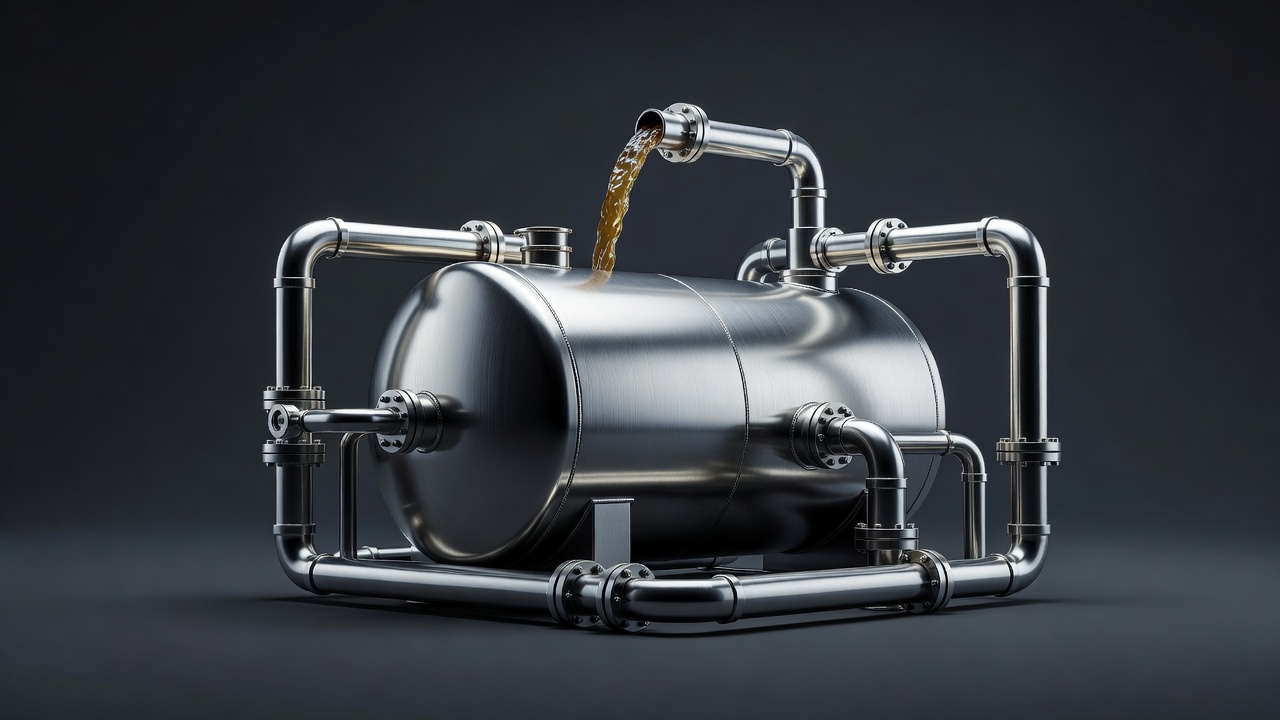
As chemical manufacturers work toward lower carbon emissions, many of the most effective improvements do not begin with new production technologies. Instead, they start with making existing facilities operate more efficiently. Energy efficiency and demand-side management have become some of the most practical and cost-effective approaches for reducing energy consumption while improving operational performance.
For procurement professionals, these initiatives offer more than sustainability benefits. Suppliers that invest in energy efficiency often achieve lower operating costs, stronger competitiveness and greater resilience against volatile energy markets. These advantages can translate into more reliable long-term supply and improved commercial stability.
What Is Demand-Side Management?
Demand-side management refers to operational strategies that reduce energy consumption or shift energy use to improve efficiency without reducing production output.
Unlike investments in new generation capacity, demand-side measures focus on using existing energy more effectively.
In chemical manufacturing, these improvements often deliver measurable savings while requiring less capital than major process redesigns.
Many projects also generate operational benefits beyond lower emissions.
Chemical plants contain hundreds of interconnected systems that influence overall energy consumption.
Even small improvements in process control can reduce unnecessary energy use while maintaining product quality and production rates.
Common optimisation measures include:
Improving process control systems.
Optimising reaction temperatures and pressures.
Reducing equipment downtime.
Improving pump and compressor efficiency.
Eliminating unnecessary steam and utility losses.
Because these projects use existing infrastructure, they often provide relatively short payback periods.
Waste Heat Recovery Improves Overall Plant Efficiency
Large chemical production facilities generate substantial amounts of heat during normal operations.
Without recovery systems, much of this energy leaves the process unused.
Waste heat recovery captures thermal energy and redirects it to useful applications such as:
Steam generation.
Feedstock preheating.
Process heating.
Building heating.
Utility systems.
Recovering energy that would otherwise be lost reduces fuel consumption while lowering operating costs.
Although production equipment accounts for most industrial energy consumption, supporting infrastructure also contributes to overall efficiency.
Modernisation projects may include:
High-efficiency lighting systems.
Improved insulation.
Advanced heating and cooling equipment.
Energy-efficient ventilation systems.
Smart building controls.
These improvements reduce facility operating costs while supporting a more efficient production environment.
Smart Grid Integration Creates Additional Flexibility
Digital energy management is becoming increasingly important across industrial manufacturing.
Smart grid integration allows facilities to better manage electricity consumption by responding to changing energy demand and pricing conditions.
Potential advantages include:
Better coordination of energy-intensive operations.
Improved visibility into electricity consumption.
Reduced peak energy demand.
More efficient integration of renewable electricity.
These capabilities help manufacturers improve both operational efficiency and energy resilience.
Energy efficiency is no longer solely an engineering concern.
Suppliers that reduce energy intensity often strengthen their long-term competitiveness through lower production costs and reduced exposure to energy price volatility.
When evaluating strategic suppliers, procurement professionals should consider:
Energy efficiency improvement programmes.
Investment in plant modernisation.
Operational reliability.
Carbon reduction initiatives.
Long-term energy management strategies.
These indicators provide valuable insight into a supplier's ability to remain competitive in changing market conditions.
Operational Improvements Often Deliver the Fastest Results
Large-scale decarbonisation technologies such as carbon capture or alternative feedstocks require significant investment and long implementation periods.
Operational efficiency projects, by comparison, can often be introduced more quickly while producing immediate financial and environmental benefits.
For many manufacturers, these measures represent the lowest-cost pathway to reducing emissions because they lower both fuel consumption and operating expenses simultaneously.
This combination explains why energy efficiency remains a priority across the global chemical industry.
What Buyers Should Watch Through 2027
Energy efficiency and demand-side management will continue shaping competitiveness across the chemical sector as manufacturers seek practical ways to reduce costs and emissions. Process optimisation, waste heat recovery, building modernisation and smart energy management provide measurable improvements without fundamentally changing production technologies.
For procurement professionals, suppliers that consistently invest in operational efficiency are often better positioned to manage energy price volatility, improve financial performance and maintain reliable production. Incorporating energy performance into supplier evaluations can therefore strengthen both commercial decision-making and long-term supply chain resilience.
Ready to source commodity chemicals from verified global suppliers? Explore competitive offers on our platform today.