EnergyPathways and Hycamite Advance a Low-Carbon Hydrogen and Graphite Plant in the UK
EnergyPathways and Hycamite Advance a Low-Carbon Hydrogen and Graphite Plant in the UK
EnergyPathways has signed a collaboration agreement with Finnish clean-technology company Hycamite to evaluate methane-splitting technology for a planned low-carbon hydrogen and high-grade graphite production plant in Barrow-in-Furness, Cumbria, UK.
The companies will assess the commercial viability of Hycamite's methane-splitting and carbon-processing technology for producing hydrogen alongside high-grade graphite.
Proposed 20,000-Tonne Hydrogen Plant
EnergyPathways is evaluating a facility designed to produce approximately 20,000 tonnes of hydrogen per year.
Instead of producing hydrogen through conventional water electrolysis, Hycamite's technology uses methane splitting to separate methane into hydrogen and solid carbon. The approach avoids forming CO₂ as a direct reaction product and creates a solid carbon material that can be further processed into higher-value products.
EnergyPathways says its initial assessment indicates that the estimated hydrogen production cost could be competitive with blue hydrogen and lower than currently expected UK green hydrogen costs. These are company estimates at the project-evaluation stage and remain subject to further technical and commercial assessment.
Graphite Production From Solid Carbon
A major feature of the proposed project is the production of high-grade graphite alongside hydrogen.
EnergyPathways is targeting approximately 60,000 tonnes per year of graphite production capacity at the Port of Barrow. The carbon generated through Hycamite's methane-splitting process would undergo further processing to produce high-grade graphite suitable for potential applications in the energy-transition and advanced manufacturing sectors.
Graphite is an important material for electric-vehicle batteries, fuel cells, aerospace and defence technologies. Both the UK Government and European Commission have identified graphite as a critical mineral.
Hycamite's Methane-Splitting Technology
Hycamite's technology uses a thermocatalytic process to split methane into two main products: hydrogen and solid carbon.
The process differs from conventional steam methane reforming because carbon is produced in solid form rather than as CO₂. The resulting carbon can then be processed into products including high-grade graphite.
Hycamite says its technology is designed to produce low-carbon hydrogen while also creating valuable carbon materials, potentially providing an additional revenue stream from the same feedstock.
Potential Battery-Grade Graphite Supply
The graphite component could provide a domestic source of a strategically important material for the UK.
High-grade graphite is used in battery anodes and other advanced applications, while the UK continues to develop supply chains for critical minerals required by clean-energy and advanced manufacturing industries.
EnergyPathways plans to explore funding through the UK Government's Critical Minerals Accelerator programme to support its graphite production plans.
Potential Hydrogen-to-Ammonia Production
EnergyPathways is also evaluating the possibility of combining some of the hydrogen produced at the facility with nitrogen to manufacture ammonia.
If developed, this could create an additional product pathway for the project, with ammonia potentially supplied to the global fertiliser market. The ammonia concept remains under evaluation alongside the proposed hydrogen and graphite production facilities.
Integration With the MESH Energy Project
The hydrogen and graphite plant would form part of EnergyPathways' broader Marram Energy Storage Hub (MESH).
MESH is planned as a long-duration energy storage project combining compressed-air energy storage with gas and hydrogen storage. EnergyPathways describes the wider project as a 300 MW / 55 GWh energy-storage development capable of providing more than 100 hours of storage, subject to approvals, financing and policy development.
The hydrogen production element could therefore complement the wider energy-storage system by providing a pathway for producing and storing low-carbon hydrogen for later use.
Port of Barrow Selected for Further Evaluation
EnergyPathways is working with Associated British Ports (ABP) to investigate potential locations for the methane-splitting plant and carbon-processing facilities within the Port of Barrow.
The port location could provide access to existing industrial infrastructure and transport connections while supporting the wider MESH development in Barrow-in-Furness. The site and plant configuration are still being evaluated.
Preliminary Project Economics
EnergyPathways has published preliminary scoping estimates indicating potential annual revenue of approximately £90 million to £120 million from the sale of hydrogen and high-grade graphite.
The company has also indicated an initial potential EBITDA margin of 30% to 40%. A further £20 million to £30 million of potential annual revenue from lower-grade graphite and residual fines has not been included in those initial economics.
These figures are preliminary company estimates rather than contracted revenues or final feasibility-study results. The project's economics will depend on technology selection, financing, government support, operating performance and future offtake agreements.
Development Still Subject to Further Evaluation
The collaboration with Hycamite does not yet represent a final investment decision or construction contract.
EnergyPathways is evaluating Hycamite's technology alongside other technology options and is continuing discussions around site selection, government support and potential offtake arrangements.
The company currently targets hydrogen operations from 2029–2030, subject to technology selection, approvals, financing and wider project development.
Building a UK Hydrogen and Critical Minerals Supply Chain
The proposed Barrow facility would combine two strategically important outputs—low-carbon hydrogen and high-grade graphite—within one industrial project.
The collaboration with Hycamite gives EnergyPathways an opportunity to evaluate a production model in which methane is converted into hydrogen and solid carbon, with the carbon subsequently processed into a valuable graphite product.
If the project progresses through technical evaluation, permitting, financing and offtake development, the facility could become part of the UK's emerging hydrogen infrastructure while also contributing to domestic critical-mineral supply chains.
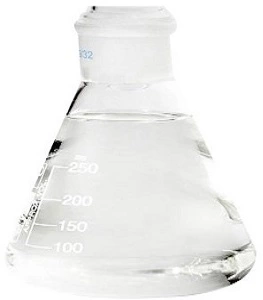
Liquid Ammonia
Found this useful?