EnergyPathways and Hycamite Advance Low-Carbon Hydrogen and Graphite Plant at Port of Barrow
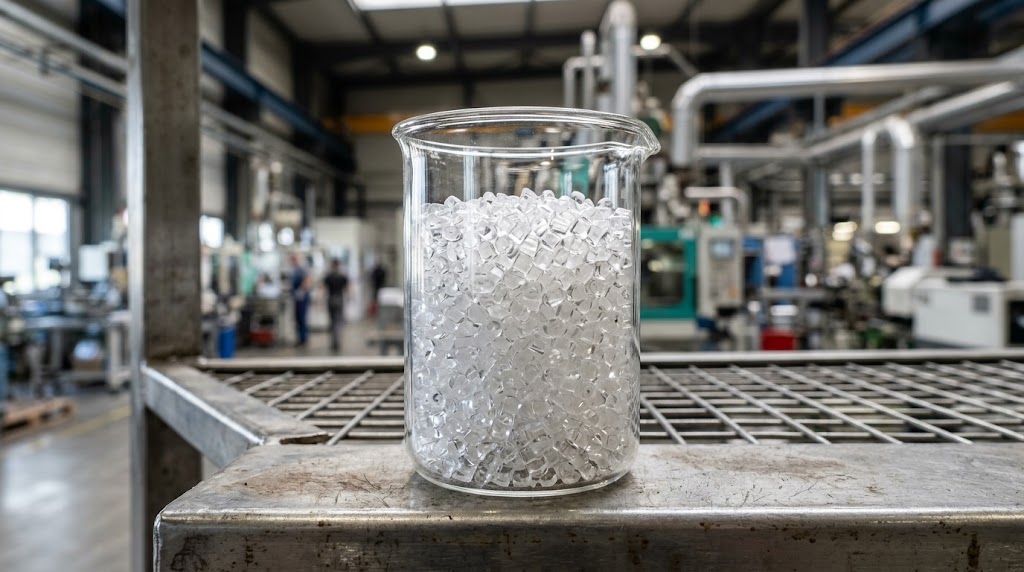
A planned low-carbon hydrogen and graphite plant at the Port of Barrow is moving into a new development phase as EnergyPathways works with Finnish technology company Hycamite. The companies are evaluating methane-splitting technology that can convert methane into hydrogen and solid carbon products, including high-grade graphite.
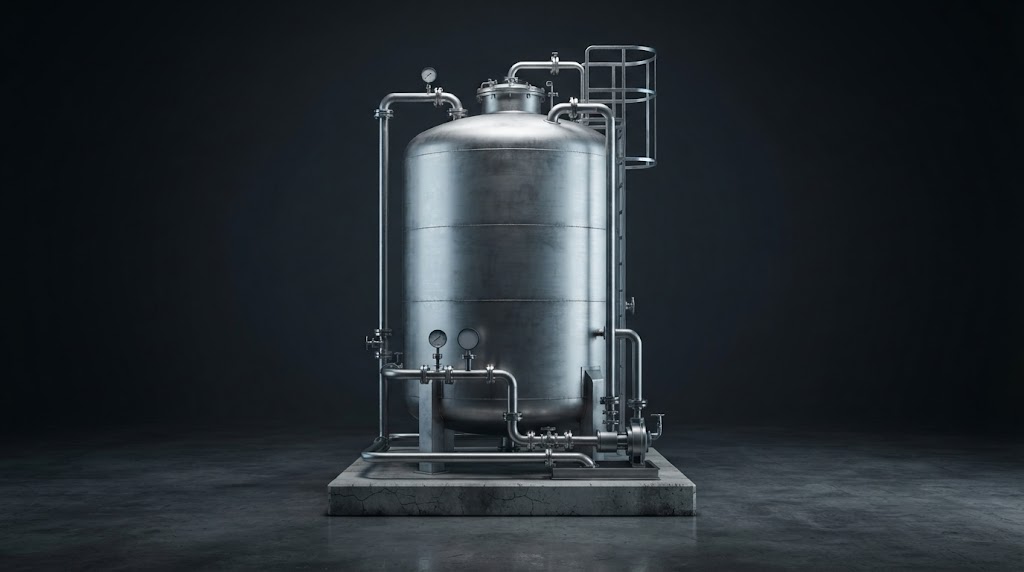
EnergyPathways plans annual production of 20,000 tonnes of hydrogen and about 60,000 tonnes of graphite at Associated British Ports' Port-of-Barrow in Barrow-in-Furness, Cumbria. The proposed facility forms part of the wider MESH long-duration energy storage project, connecting hydrogen production with a broader strategy for flexible energy storage and industrial supply.
Methane Splitting Creates Two Commercial Products
Methane pyrolysis, also described as methane splitting, takes a different route from conventional hydrogen production. Instead of converting methane into hydrogen and carbon dioxide through steam methane reforming, the process separates the methane molecule into hydrogen and solid carbon.
This creates an important commercial feature for industrial buyers. The process can produce a hydrogen stream while also generating a solid carbon product that can potentially enter higher-value markets.
Hycamite's technology focuses on producing low-carbon hydrogen alongside solid carbon products. For the Barrow project, the companies are specifically assessing its ability to produce high-grade graphite suitable for applications linked to energy transition industries.
For chemical traders and procurement teams, the dual-product model matters because it changes how project economics can be evaluated. Hydrogen provides an energy and industrial product while graphite creates a second potential revenue stream.
Barrow Plant Targets Significant Production Capacity
EnergyPathways has outlined a substantial production concept for the Port of Barrow. The planned facility would target:
20,000 tonnes per year of hydrogen, creating a potential domestic supply source for industrial and energy applications.
Around 60,000 tonnes per year of graphite, providing a potential new UK processing and production route for a critical mineral.
Potential ammonia production, with EnergyPathways evaluating the possibility of combining hydrogen with nitrogen to produce commercially viable volumes for the global fertiliser market.
The project therefore extends beyond hydrogen production alone. It could connect hydrogen, graphite and ammonia markets within one industrial development, creating several potential offtake routes for future production.
The companies are still evaluating the commercial viability of the technology. EnergyPathways is also working with Associated British Ports to examine land options for the methane-splitting plant and carbon-processing operations within the Port of Barrow.
Why Graphite Adds Strategic Value
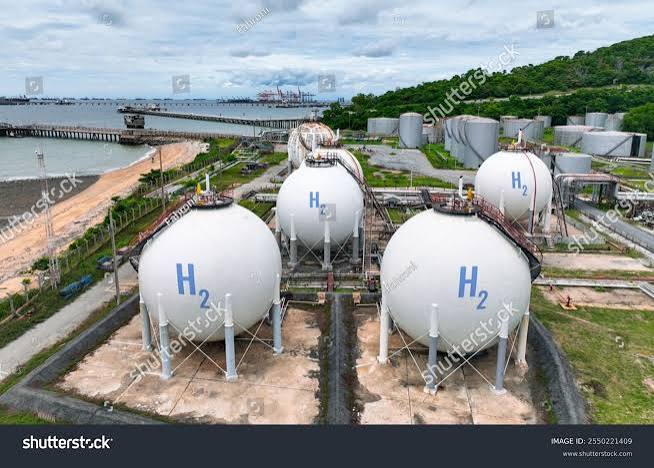
Graphite gives the project a second industrial dimension because the material has applications across several strategic sectors. The UK Government and European Commission have identified graphite as a critical mineral, while demand from battery, fuel cell, aerospace and defence industries creates potential markets for high-grade material.
EnergyPathways intends to target high-value export markets as well as customers connected with the energy transition. That could create a different procurement and trading model from conventional mined graphite, particularly if the project can establish consistent quality and reliable production volumes.
Hycamite's natural-gas-based battery graphite has also received quality confirmation from Polaris Battery Labs, an independent US commercial research laboratory. This supports the project's focus on producing a graphite product for higher-value applications rather than treating solid carbon only as a by-product.
For buyers, the key commercial questions will include graphite purity, particle characteristics, qualification requirements, consistency between batches and the ability to meet specifications for individual end-use markets.
Hydrogen Economics Could Shape Technology Selection
EnergyPathways expects the hydrogen produced by the proposed plant to have a cost profile competitive with blue hydrogen and lower than green hydrogen currently expected in the UK. These expectations form part of the project's initial commercial assessment and will influence how the technology competes with alternative hydrogen production routes.
The economic model also depends on the value of the graphite produced alongside hydrogen. A process that generates two saleable products can potentially distribute operating costs across multiple revenue streams.
EnergyPathways' initial scoping economics indicate potential annual revenue of £90 million to £120 million from sales of about 20,000 tonnes of hydrogen and 20,000 tonnes of high-grade graphite. The company has indicated an EBITDA margin range of 30% to 40% based on indicative hydrogen and graphite prices.
The company has also identified additional potential revenue from lower-grade graphite and residual graphite fines, although those volumes were not included in the initial scoping economics. This creates another area for buyers and traders to monitor as the project develops its product specifications and offtake strategy.
MESH Connects Hydrogen With Long-Duration Energy Storage
The Barrow production plant is being developed within EnergyPathways' wider MESH Long Duration Energy Storage project. MESH combines compressed air energy storage with gas-to-hydrogen storage and is designed to provide multi-day energy storage capacity.
EnergyPathways describes MESH as a 300 MW and 55 GWh project with more than 100 hours of storage capability. The company expects the hydrogen production element to target operation from 2029 to 2030, subject to policy development, approvals and financing.
This integration could give the hydrogen plant a broader role than supplying conventional industrial customers. Hydrogen can serve as an energy carrier and storage medium while the graphite stream provides a separate industrial material for downstream customers.
For chemical procurement teams, the connection also highlights the importance of understanding the project's future operating profile. Production schedules, hydrogen availability and graphite output consistency will influence potential offtake agreements.
Potential Ammonia Link Opens a Fertiliser Market
EnergyPathways is also evaluating the option of combining hydrogen with nitrogen to produce ammonia. If developed, this could connect the Barrow project with the global fertiliser supply chain and create another potential route for hydrogen consumption.
Ammonia already serves as a major nitrogen fertiliser feedstock, making hydrogen availability an important factor in production economics. A local hydrogen source could therefore support an integrated industrial model where part of the hydrogen output moves into ammonia rather than being sold entirely as hydrogen.
For fertiliser buyers and traders, the development could be relevant if future plans progress from evaluation into commercial production. The availability of multiple offtake routes could also give the project greater flexibility when balancing industrial hydrogen, energy and ammonia demand.
What the Project Means for Chemical Buyers
The Barrow development highlights several supply-chain trends that procurement teams should monitor as low-carbon production technologies scale.
Domestic production capacity: UK production of hydrogen and graphite could create additional regional supply options for buyers that currently depend on imported materials or international supply chains.
Dual-product economics: Methane splitting can potentially produce hydrogen and solid carbon from the same feedstock, creating a different commercial structure from conventional hydrogen plants.
Critical mineral sourcing: New graphite production could become relevant to battery, fuel cell, aerospace and defence supply chains that require secure access to qualified material.
Long-term offtake contracts: The project's economics depend partly on future offtake arrangements, making early engagement with industrial buyers potentially important as specifications and commercial structures develop.
Product qualification: Buyers will need to evaluate graphite quality, hydrogen specifications and any future ammonia grades against their individual application requirements before committing to supply agreements.
UK Supply Chains Could Gain a New Industrial Hub
The location at the Port of Barrow offers a direct connection between industrial production and port infrastructure. EnergyPathways is working with Associated British Ports on potential locations for the methane-splitting and carbon-processing facilities, while the wider MESH project links the development to energy infrastructure in the East Irish Sea and Barrow-in-Furness.
The project could therefore create more than a hydrogen production facility. If commercial development proceeds, it could establish a new industrial hub where energy storage, hydrogen production, graphite processing and potentially ammonia production operate within a connected supply chain.
That structure could reduce the need to treat hydrogen and critical minerals as separate procurement categories. Instead, buyers could see a growing cluster of related products emerging from the same regional energy and industrial infrastructure.
What Buyers Should Monitor Through 2027
The next development stages will be important for determining how the project moves from technology assessment toward commercial execution. EnergyPathways has indicated that technology selection will depend partly on government support and the commercial value of future offtake contracts.
Procurement teams and chemical traders should monitor several milestones:
Technology selection: EnergyPathways is assessing Hycamite alongside alternative methane-splitting technologies, including work involving KBR and Hazer Group.
Site development: Discussions with Associated British Ports will determine potential locations for methane splitting and carbon processing.
Funding: EnergyPathways plans to seek support through the UK's Critical Minerals Accelerator programme for its graphite production plans.
Offtake agreements: Long-term contracts could help establish the commercial framework for hydrogen and graphite sales.
Product specifications: Future technical information will determine which battery, energy, industrial and chemical applications can use the graphite output.
Project approvals: Financing, policy development and regulatory approvals remain important milestones before the planned 2029 to 2030 hydrogen operation window.
The Barrow project represents a developing intersection between low-carbon hydrogen, critical minerals and energy storage. For chemical buyers, its progress could create a new source of hydrogen and graphite while opening additional opportunities around ammonia and carbon-based products.
Ready to source Ammonia Anhydrous from verified global suppliers? Explore competitive offers on our platform today.
Ammonia Anhydrous
Found this useful?