
Eni and Argentina Advance Floating LNG Development for the Argentina LNG Project
Argentina is taking another step toward becoming a significant LNG exporter as Eni and Argentine officials advance discussions around floating liquefaction for the Argentina LNG project. The initial phase targets 12 million tonnes per annum of LNG, with two floating LNG facilities planned at 6 million tonnes each and production targeted for 2030.
The project brings together Eni, YPF and XRG to develop gas resources from the Vaca Muerta basin and connect them with international LNG markets. For energy traders, industrial buyers and procurement teams, the development signals a potential expansion of global LNG supply and a new export route from Argentina.
Why Floating LNG Matters for Argentina LNG
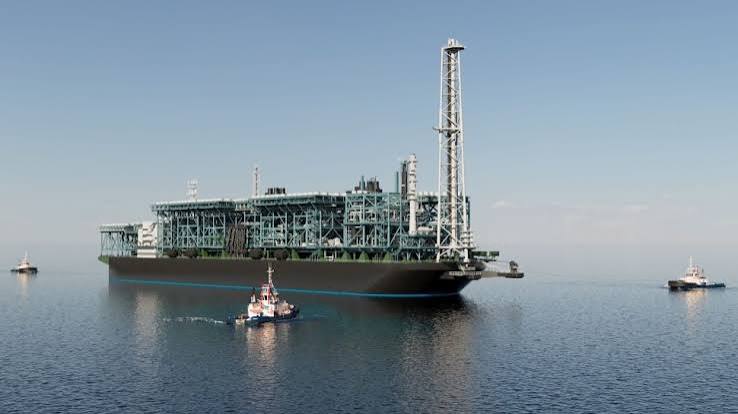
Floating LNG, commonly known as FLNG, combines gas liquefaction facilities with floating offshore infrastructure. Instead of relying entirely on large onshore liquefaction terminals, an FLNG development can process and liquefy natural gas at an offshore location.
For Argentina, the approach forms part of a broader strategy to connect Vaca Muerta's gas resources with international markets. Eni has highlighted its experience with FLNG projects in Congo and Mozambique as part of the expertise it brings to the development.
The technology can also support a phased development model. Argentina LNG is initially designed around two 6 MTPA floating units, while a later expansion to 18 MTPA is currently under evaluation.
Vaca Muerta Provides the Gas Supply Base
The Argentina LNG development depends on the large unconventional gas resources of the Vaca Muerta formation. The integrated project connects upstream gas production with processing, transportation and LNG export infrastructure.
In June 2026, Eni signed an agreement to acquire a 32% interest in three upstream blocks in Vaca Muerta: Meseta Buena Esperanza, Aguada Villanueva and Las Tacanas. The resources from these blocks are intended to feed the project's initial 12 MTPA LNG capacity.
This upstream connection matters for buyers because LNG export capacity requires reliable feed gas. Coordinating production and liquefaction infrastructure can help create a more integrated supply chain from the gas field to international customers.
The 12 MTPA Phase Sets the Initial Scale
The first Argentina LNG phase targets 12 million tonnes of LNG production per year through two floating liquefaction units. Each unit is planned with a capacity of 6 MTPA, creating a combined initial capacity comparable with other major LNG developments around the world.
The project also forms part of a larger phased ambition. Earlier project plans outlined the potential for Argentina LNG to reach up to 30 million tonnes per year across multiple phases, while the current development under discussion focuses on the initial 12 MTPA stage.
For international buyers, phased capacity development can create opportunities to evaluate supply contracts and logistics requirements as individual production stages progress.
Investment Decision Becomes the Next Major Milestone
The Final Investment Decision, or FID, represents one of the most important milestones ahead for Argentina LNG. Eni currently expects the investment decision by the end of 2026.
The project has already progressed through several development stages. Eni, YPF and XRG signed a Joint Development Agreement in February 2026, while the project also submitted an application for Argentina's Large Investment Incentive Regime, known as RIGI, in August 2026.
The RIGI application supports the project's development framework and forms another step toward the targeted FID. Financing, engineering and commercial arrangements remain important parts of the development process before construction and production can move forward.
What the Project Could Mean for LNG Trade
A successful 12 MTPA development would give Argentina additional capacity to participate in international LNG markets. The country would be able to connect its domestic gas resources with customers beyond its traditional regional energy markets.
For LNG traders and procurement managers, additional supply from Argentina could create another source for portfolio diversification. Market participants may also monitor how Argentine LNG competes with supply from established exporters across North America, the Middle East, Africa and Australia.
Several factors will influence the commercial role of Argentine LNG:
Production growth: Reliable expansion of Vaca Muerta gas output will be central to maintaining feed gas for LNG facilities.
Export infrastructure: Transportation, processing and offshore liquefaction systems must operate together to support dependable deliveries.
Project timing: The targeted 2030 start-up makes construction schedules and procurement execution important considerations for future buyers.
Market access: LNG marketing arrangements and destination markets will determine how effectively new production reaches international customers.
Procurement Opportunities Across the LNG Value Chain
Large LNG projects generate demand across a broad industrial supply chain. The procurement requirements extend beyond natural gas and liquefaction equipment to include industrial chemicals, processing materials, water-treatment products and maintenance inputs.
Chemical traders can therefore watch the development for potential opportunities connected with project construction and operations. Products used across industrial utilities, gas processing, corrosion control, water treatment and plant maintenance may become relevant as infrastructure moves through different development stages.
Procurement teams should distinguish between project construction demand and long-term operating demand. Construction can generate short-term requirements for materials and process inputs, while operating facilities create recurring needs tied to maintenance, treatment and production systems.
Eni's FLNG Experience Supports the Development Strategy
Eni's involvement adds experience from other floating LNG developments. The company has previously pointed to its FLNG work in Congo and Mozambique as relevant expertise for Argentina LNG.
This experience is particularly relevant because floating liquefaction requires close coordination between gas production, marine infrastructure, liquefaction systems and export logistics. Project execution also needs strong integration between engineering, procurement, construction and commissioning.
The Argentina LNG partners are therefore building on an existing technical model rather than developing floating liquefaction as an entirely new concept for the group.
Regional and International Energy Implications
Argentina LNG could have significance beyond Argentina's domestic energy sector. Eni describes the project as part of an effort to strengthen Argentina's role in international energy markets, while also contributing to European energy supply security.
The project's location also gives Argentina a route for monetizing Vaca Muerta gas through LNG exports. This could increase the importance of Argentine natural gas in international procurement strategies as buyers look for diversified sources of supply.
For importers, the commercial attractiveness of Argentine LNG will depend on factors such as delivered cost, shipping economics, contract terms, reliability and competition with other producing regions.
What Buyers Should Watch Through 2030
The period between the targeted FID and planned start-up will be important for market participants. Eni's 2026 shareholder materials indicate that major project tenders, LNG and NGL marketing activities and project financing processes are progressing alongside preparations for FID.
Buyers and traders tracking the project should focus on several developments:
FID progress: The end-2026 investment decision will provide a clearer indication of the project's execution path.
Engineering and procurement: Major EPC packages and equipment awards can indicate how quickly the development is moving toward construction.
LNG marketing: Contracting activity will help clarify the project's future customer base and international trade flows.
Upstream development: Continued development of Vaca Muerta assets will remain important for securing the gas required by the LNG facilities.
Expansion plans: Any decision to increase capacity beyond the initial 12 MTPA could have a broader effect on future LNG supply balances.
The Bottom Line for Procurement Teams
Eni's latest discussions with Argentine officials reinforce the strategic importance of floating LNG technology in the Argentina LNG project. With an initial target of 12 MTPA, a planned 2030 start-up and a potential future expansion, the development could become an important new source of LNG for international markets.
For chemical traders and industrial procurement teams, the project is also a signal to monitor Argentina's expanding gas and export infrastructure. As the development moves toward FID, upstream investment, engineering contracts, equipment procurement and operating requirements could create opportunities throughout the industrial supply chain.

Methanol
Found this useful?