Can a High-Performance Elastomer Be Chemically Recycled at Scale? Covestro Is Testing That Now
Can a High-Performance Elastomer Be Chemically Recycled at Scale? Covestro Is Testing That Now
Covestro Moves Elastomer Recycling From the Lab to Pilot Scale
Recycling high-performance elastomers has long been a difficult challenge for the polymer industry. Materials designed to deliver exceptional durability and resistance are not always easy to recycle using conventional mechanical methods.
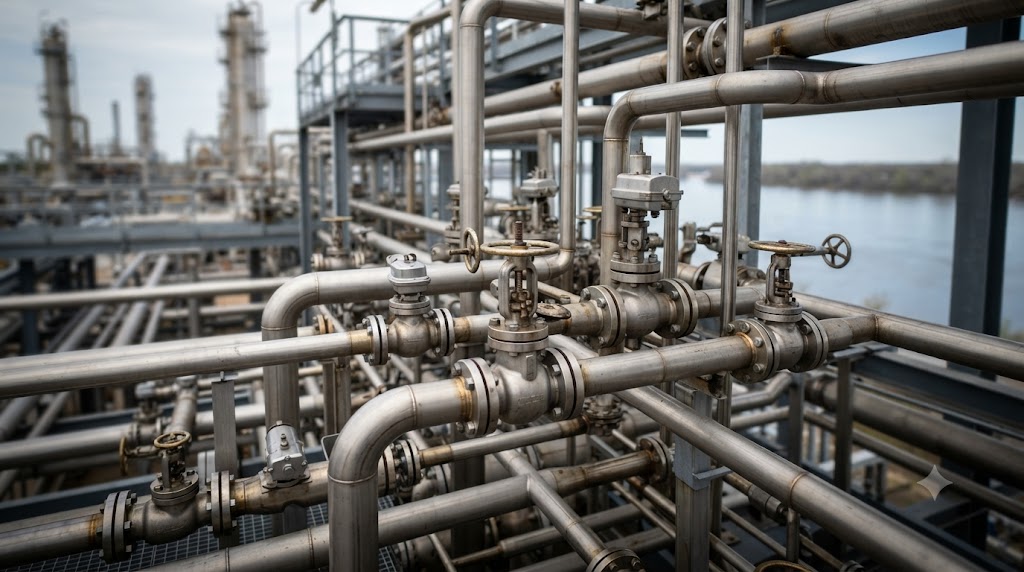
Covestro is now testing whether chemical recycling can provide a scalable solution. The company has opened a new pilot plant at its Leverkusen, Germany, site to advance the chemical recycling of high-performance elastomers, particularly its Vulkollan® material. (Covestro)
The investment, described by Covestro as being in the double-digit million-euro range, is intended to move the technology from laboratory development toward potential industrial application.
How the Chemical Recycling Process Works
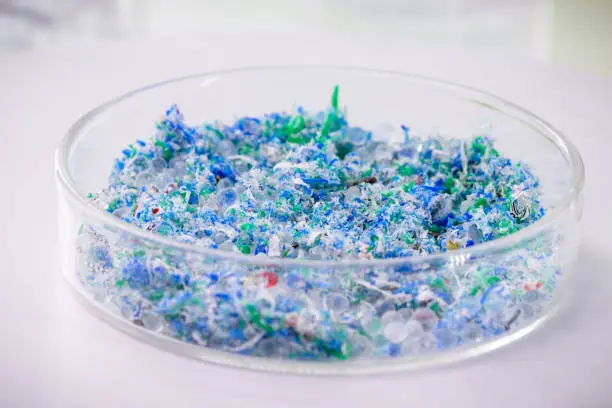
Unlike mechanical recycling, which generally processes a material without breaking it down into its fundamental chemical components, Covestro's approach uses chemical reactions to break selected end-of-life elastomers down into purified chemical building blocks.
These recovered building blocks can then be used again to produce new materials.
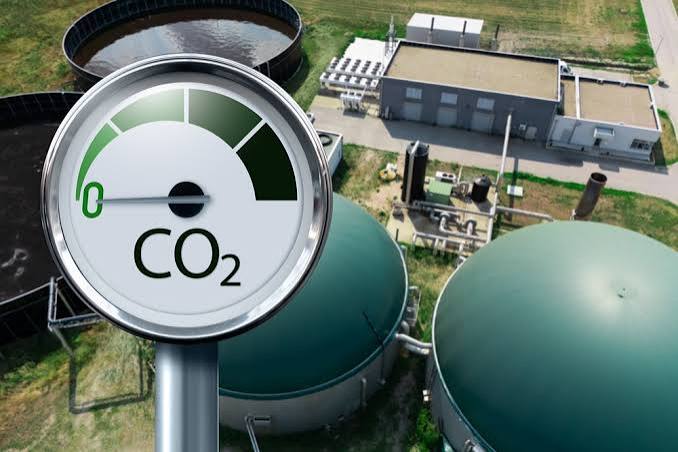
For selected end-of-life Vulkollan material, Covestro says the process can recycle more than 90% of the material by mass. The company also estimates that the approach could reduce the carbon footprint by up to two-thirds compared with producing equivalent material from fossil-based virgin feedstocks. (Covestro)
This is particularly significant for high-performance applications where simply downcycling the material into lower-value products may not provide an adequate circular solution.
Why Vulkollan Is a Key Test Case
Vulkollan is a high-performance polyurethane elastomer used where durability, wear resistance and mechanical performance are important.
Applications include forklift wheels, railway components, automotive jounce bumpers and vibration-control elements. These products can have long service lives, but eventually they reach the end of their useful life and require an effective recycling pathway. (Covestro)
Covestro's chemical recycling technology aims to recover valuable chemical components from these end-of-life materials rather than treating them simply as waste.
The company has previously stated that recovered material could be reintroduced into applications such as automotive jounce bumpers and forklift tires through a mass-balancing approach. (Covestro)
What the New Pilot Plant Will Test
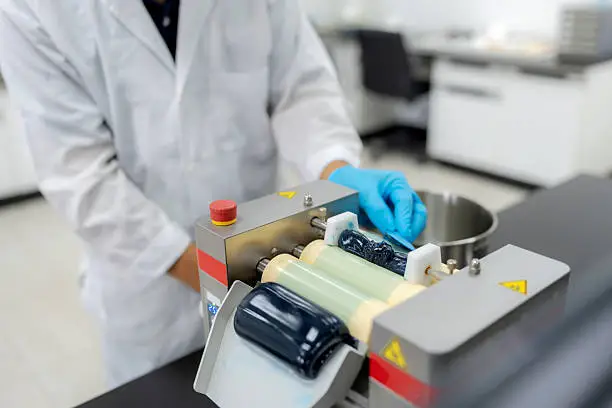
The Leverkusen pilot plant is an important step because laboratory results alone do not demonstrate whether a recycling technology can operate reliably at a larger scale.
Covestro plans to use the facility to:
Test different end-of-life elastomer waste streams
Refine the chemical recycling process
Generate technical data for future scale-up
Evaluate the consistency and quality of recovered building blocks
Work with customers and recycling partners
Develop the collection and return systems needed for circular material flows
The pilot plant therefore serves as a bridge between laboratory development and a potential future commercial recycling facility. (Covestro)
Building a Circular Supply Chain
Scaling chemical recycling is not only a question of chemistry. A successful industrial system also requires reliable access to end-of-life materials.
Covestro is consequently working with customers, recyclers, waste collectors, logistics providers and other value-chain partners to establish collection and return systems.
Consistent feedstock quality will be particularly important. If end-of-life elastomers are contaminated or mixed with unsuitable materials, the recycling process can become more complicated and costly.
Developing an economically viable reverse supply chain will therefore be just as important as optimizing the recycling technology itself. (Covestro)
Potential Carbon Footprint Benefits
The environmental potential of the technology is another major reason for Covestro's investment.
According to the company, chemical recycling of selected Vulkollan waste could reduce the carbon footprint by up to two-thirds compared with fossil-based virgin material. The reported figure relates to the specific recycling process and material pathway being tested, rather than representing a universal result for all elastomer recycling. (Covestro)
If the technology can ultimately be deployed at industrial scale, recovering chemical building blocks from existing products could help reduce the demand for virgin fossil-based feedstocks while keeping valuable materials within the production cycle.
Beyond Vulkollan
Covestro's plans extend beyond its initial Vulkollan application.
The company says it intends to explore the pilot plant's potential for selected specialty cast elastomers and thermoplastic polyurethanes (TPUs) as well. This could broaden the range of high-performance polymer products for which chemical recycling pathways can be developed. (Covestro)
The broader effort is consistent with Covestro's strategy of using chemical recycling for materials that are difficult to recycle mechanically and recovering feedstocks that can be used to make high-quality new products. (Covestro)
The Scale-Up Challenge
The opening of the pilot plant does not mean that large-scale commercial recycling has already been achieved. Instead, it represents a pre-industrialization stage where Covestro can determine whether the process can be technically and economically scaled.
Key questions will include the availability of suitable waste streams, process efficiency, recovered-material quality, operating costs and the development of reliable collection infrastructure.
Covestro describes the pilot plant as a step toward future industrial application and is inviting partners across the value chain to participate in developing circular solutions for end-of-life elastomers. (Covestro)
A Potential New Route for Difficult-to-Recycle Elastomers
The project demonstrates how chemical recycling is increasingly being explored for materials where conventional mechanical recycling has limitations.
For high-performance elastomers, maintaining material quality is particularly important because these products are used in demanding applications where durability and reliability are essential. By breaking the material down into purified chemical building blocks, Covestro aims to create a pathway that can return those resources to high-value applications rather than simply downcycling them.
The Leverkusen pilot plant will now provide the practical data needed to determine how far this technology can progress toward industrial-scale deployment. If successful, it could become an important component of future circular supply chains for high-performance polyurethane elastomers.
Sources
High-Impact Polystyrene (HIPS)
Found this useful?