EPA Legacy Asbestos Regulation: TSCA Compliance Impact | ChemicalsBlog
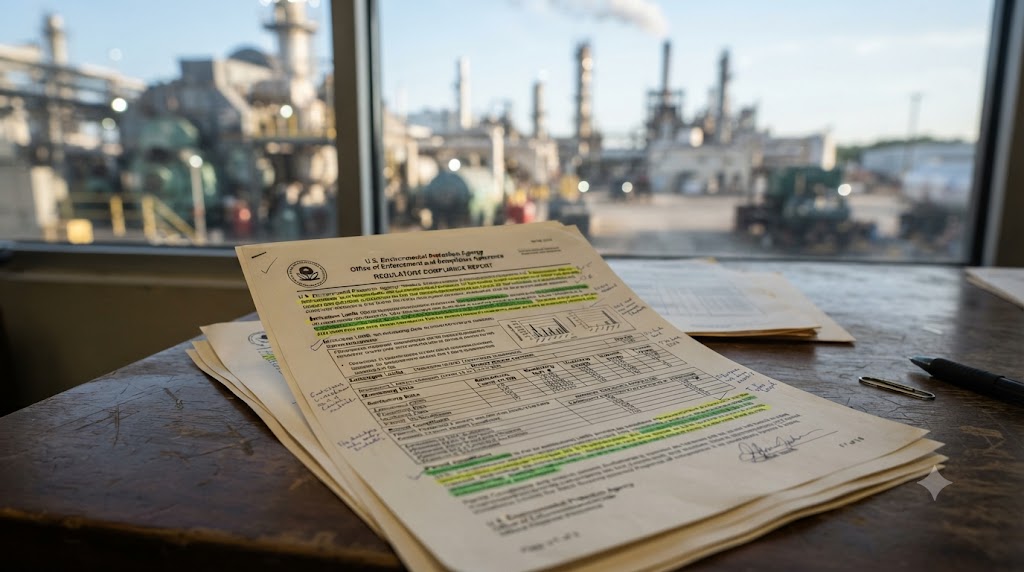
The United States Environmental Protection Agency announced on June 23, 2026, a critical initiative to develop a durable Toxic Substances Control Act regulation for legacy asbestos uses and disposals. This regulatory push marks a significant shift for chemical traders and procurement managers handling industrial materials.
The Science Advisory Committee on Chemicals comment period officially closed on July 23, 2026. Buyers and importers must now prepare for stricter compliance frameworks governing existing materials containing asbestos.
Understanding these evolving rules is essential for maintaining supply chain continuity and avoiding costly regulatory penalties. Procurement leaders who ignore this shift risk severe operational disruptions and financial liabilities.
The agency aims to create a uniform standard that addresses the hidden dangers of older industrial infrastructure. This proactive approach will fundamentally change how companies manage facility renovations and material decommissioning across the globe.
Understanding the EPA Legacy Asbestos Regulation Scope
The new regulatory framework targets asbestos that was legally used in the past but remains in place today. Legacy uses include older building materials, automotive friction products and certain industrial gaskets.
The EPA seeks to manage the risks these materials pose during renovation, demolition or disposal activities. This specific focus differentiates the new rule from previous bans on active manufacturing.
The agency recognizes that millions of tons of these materials still exist within global industrial infrastructure. Managing this existing stock requires a nuanced approach to environmental safety.
Procurement teams must recognize that this rule does not ban all historical uses immediately. Instead, it establishes strict handling and reporting protocols for any disturbance of these materials.
Companies managing facilities with older infrastructure will face heightened scrutiny from environmental auditors. Proactive compliance is the only way to avoid severe operational interruptions.
Key Compliance Drivers for Chemical Buyers
Regulatory compliance now dictates sourcing and disposal strategies across the entire industrial sector. The EPA aims to close loopholes that previously allowed legacy asbestos to enter the waste stream without adequate tracking.
Strict Tracking Requirements: Facilities must now document the exact volume and location of materials containing asbestos during any structural modification. This ensures complete accountability throughout the decommissioning process and satisfies federal reporting mandates.
Enhanced Disposal Protocols: Waste handlers must utilize certified containment methods to prevent airborne fiber release. Regulatory agencies will impose heavy fines for any improper handling or undocumented waste transfer.
Supply Chain Transparency: Importers must verify that incoming raw materials do not contain undocumented asbestos traces. Suppliers must provide comprehensive testing certificates with every single shipment to prove material purity.
These drivers force buyers to audit their suppliers more rigorously than ever before. Due diligence is no longer optional for any responsible procurement department.
Market Impact on Industrial Material Sourcing
The regulatory tightening directly affects the market for alternative industrial fillers and sealants. As legacy asbestos disposal becomes more expensive, demand for compliant substitute materials will rise sharply across multiple sectors.
Buyers are actively seeking safe mineral alternatives to replace legacy components in new manufacturing runs. Calcium carbonate and magnesium carbonate are gaining rapid traction as safe replacement fillers in various industrial applications.
Suppliers who can provide certified documentation proving their products are free of asbestos will secure a massive competitive advantage. Procurement managers should prioritize vendors with robust quality assurance programs and transparent supply chains.
This shift also accelerates investment in green chemistry solutions. Companies are exploring biobased and synthetic alternatives that offer similar thermal resistance without the associated health risks.

Navigating the TSCA Comment Period Outcomes
The July 23, 2026 deadline for the Science Advisory Committee on Chemicals comments represents a pivotal moment for the industry. The EPA will now synthesize this extensive feedback to draft the final regulatory rule.
Industry stakeholders submitted extensive data regarding the economic impact of stringent disposal mandates. The final regulation will likely balance environmental safety with practical implementation timelines for large industrial facilities.
Procurement professionals should monitor the Federal Register for the proposed rule publication. Early awareness allows companies to adjust their operational budgets and compliance training programs accordingly.
Waiting for the final rule to take effect is a dangerous strategy. Proactive companies are already updating their internal safety protocols to align with the expected regulatory direction.
Regional Market Deep Dive
Regional markets are reacting differently to the impending regulatory changes. North American facilities are accelerating their compliance audits to meet the expected federal standards.
European buyers are already accustomed to strict hazardous material protocols. They are leveraging this experience to guide their North American and Asian partners toward better compliance.
Asian manufacturing hubs are increasing their production of certified safe mineral fillers. This shift creates new sourcing opportunities for global procurement teams seeking reliable alternatives.
Understanding these regional dynamics is crucial for building a resilient supply chain. Diversifying your supplier base across multiple geographic regions mitigates localized regulatory shocks.
Supply Chain Risks and Mitigation Strategies
Legacy asbestos regulations introduce new friction points into global supply chains. International shipments of industrial minerals face increased customs inspections and regulatory delays at major ports.
Documentation Delays: Missing or incomplete safety data sheets can halt shipments at the port indefinitely. Customs officials are increasing scrutiny on all mineral imports to prevent hazardous material smuggling.
Vendor Liability: Buyers may share legal liability if a supplier unknowingly provides contaminated materials. Robust vendor vetting and strict contractual indemnity clauses are the only reliable defenses against these claims.
Storage Constraints: Facilities must allocate secure and compliant storage areas for any suspect materials awaiting testing. This requires dedicated capital expenditure and careful facility space planning to maintain operational efficiency.
Mitigating these risks requires proactive communication with all logistics partners. Establishing clear communication channels prevents costly misunderstandings during critical shipping windows.
Sustainability and the Green Chemistry Angle
The push to regulate legacy asbestos aligns perfectly with broader corporate sustainability goals. Modern procurement strategies increasingly favor materials with minimal environmental and health impacts.
Transitioning away from historical hazardous materials reduces long term liability and improves workplace safety. This proactive stance enhances corporate reputation among environmentally conscious stakeholders and investors.
Green chemistry principles encourage the development of inherently safer industrial alternatives. Investing in these sustainable materials will secure your supply chain against upcoming environmental regulations.
The Bottom Line for Procurement Teams
The EPA legacy asbestos regulation update demands immediate attention from chemical traders and industrial buyers. The closure of the July 23 comment period signals that enforceable rules are imminent.
Companies must audit their current material inventories and verify supplier compliance certifications immediately. Transitioning to verified, safe alternative materials will secure your operations and ensure regulatory compliance.
Ready to source calcium carbonate from verified global suppliers? Explore competitive offers on our platform today.
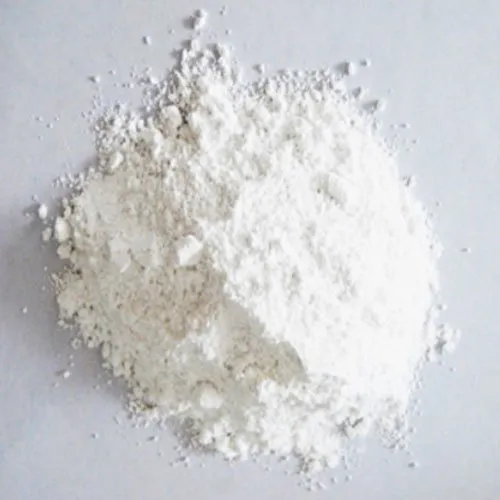
Calcium Carbonate (Feed Grade)
Found this useful?