Essar-Backed Mesabi Metallics Unveils an $18B Mine-to-Mill US Steel Investment
Essar-backed Mesabi Metallics has announced an $18 billion investment to create an integrated mine-to-mill steel supply chain connecting an iron ore operation in Minnesota with a new steel complex in Iowa.
The investment combines approximately $3 billion allocated to complete the Minnesota mine and pellet plant with a planned $15 billion Iowa steel complex. The company says the project will connect domestic iron ore production with DRI and EAF steelmaking, creating a vertically integrated supply chain from raw material extraction through finished steel.
For steel traders, raw-material suppliers and industrial buyers, the project represents a significant development in North American iron ore and steel capacity. It could also influence future demand for DR-grade iron ore pellets, steelmaking inputs, industrial equipment and logistics services.
From Minnesota Iron Ore to Iowa Steel
The first part of the investment is centered on Mesabi Metallics' iron ore operation in Nashwauk, Minnesota. The company is developing a mine, beneficiation plant and pellet plant designed to produce DR-grade iron ore pellets known as Patriot Pellet.
The Minnesota operation has a planned pellet capacity of approximately 7 million tonnes per year. The DR-grade material is designed for use in modern steelmaking processes, particularly DRI and EAF production.
Mesabi Metallics began operating the mine and pellet facility in 2026, following years of construction and investment. The company says the Minnesota operation represents the first new iron ore mine and pellet plant in the state in almost 50 years.
The new Iowa complex would become the downstream link in this supply chain. Iron ore produced in Minnesota would be converted into steel in Iowa, creating an integrated flow between the two states.
$15 Billion Iowa Steel Complex
The largest portion of the new investment will go toward the planned Iowa steel complex.
Mesabi Metallics plans to invest approximately $15 billion in the facility. The company expects construction to create more than 6,000 jobs and the completed plant to employ approximately 1,750 people.
The project will use direct reduced iron and electric arc furnace technology rather than relying on a conventional blast-furnace route.
This production model allows iron ore pellets to be converted into metallic iron through the DRI process before the material enters an electric arc furnace for steelmaking.
How DRI and EAF Technology Fit Together
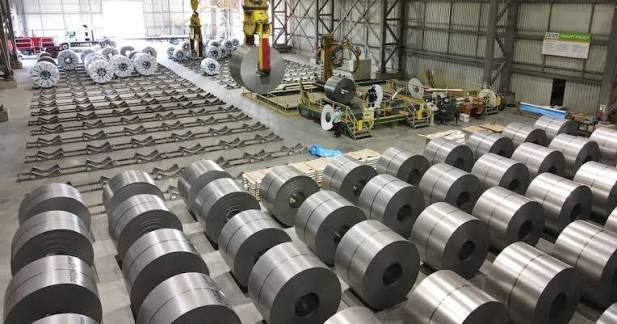
Direct reduced iron removes oxygen from iron ore without melting the material. The resulting solid metallic iron can then be charged into an electric arc furnace.
Mesabi Metallics plans to use hot DRI directly in its EAF system. According to the company, maintaining the DRI at high temperature before charging it into the furnace can reduce the energy required during steel production.
The EAFs will use a combination of hot DRI from the facility's own reduction process and scrap steel.
This creates a production model that combines virgin iron units from domestic ore with recycled steel. It also gives the Iowa complex a direct connection to the quality and specifications of the Minnesota DR-grade pellets.
Building a Domestic Iron and Steel Supply Chain
A central feature of the project is its mine-to-mill structure.
Mesabi Metallics intends to move its own iron ore from Minnesota into its downstream steelmaking operation in Iowa. The company describes the resulting supply chain as fully domestic, with iron ore mined and processed in the United States before the steel is produced domestically.
For procurement teams, vertical integration can change how raw-material sourcing is structured.
Instead of relying entirely on externally purchased iron units, an integrated producer can control a larger portion of the supply chain. This can affect procurement planning, logistics requirements and long-term raw-material availability.
Implications for DR-Grade Iron Ore
The project also highlights growing interest in high-quality DR-grade iron ore.
DRI plants require suitable iron ore feedstock because the quality of the pellets affects the efficiency and characteristics of the reduction process. Mesabi Metallics is developing its Minnesota operation specifically around DR-grade pellet production.
The company's Minnesota facility has a planned 7 million tonnes per year pellet capacity.
For iron ore traders, this adds another domestic source to the North American DR-grade market. It also creates a direct downstream customer for the company's own pellets through the planned Iowa steel complex.
Steel Demand Across Multiple Industries
The planned Iowa facility is intended to supply steel for a wide range of industrial applications.
Mesabi Metallics identifies automotive manufacturing, defense, shipbuilding, electric vehicles, bridges, energy infrastructure, grid modernization and other critical infrastructure among the potential markets for its steel.
These industries require different grades and specifications of steel, creating opportunities across multiple downstream supply chains.
For chemical and industrial suppliers, large steel projects can also generate demand for process chemicals, refractories, gases, maintenance materials, water-treatment chemicals and other production inputs.
Investment Creates New Logistics Requirements
A mine-to-mill operation connecting Minnesota with Iowa will require an extensive logistics network.
Iron ore must move from the mine and pellet plant to the downstream steel complex. Finished steel will then need to reach manufacturers and industrial customers across the United States.
This creates potential opportunities for rail operators, bulk-material handlers, storage providers, equipment suppliers and other logistics businesses.
For commodity traders, transportation costs will remain an important factor when assessing the commercial economics of domestic iron ore and steel flows.
Financing and Project Development
Mesabi Metallics has spent several years developing its Minnesota operation. In March 2026, the company announced a $520 million senior secured credit facility to support the mine and pellet plant as they moved toward commercial operations.
A separate June 2026 transaction involved the sale of 50% of the company's royalty interest for $265 million. At that time, Mesabi Metallics said the Minnesota mine, beneficiation plant and pellet plant were expected to commence production in the third quarter of 2026.
The September 2026 announcement now expands the strategy from iron ore production into downstream steelmaking.
Potential Impact on Steel Procurement
The project could introduce another domestic pathway for steel buyers that currently depend on imported iron units or finished steel products.
The combination of domestic DR-grade pellets, DRI production and EAF steelmaking provides a vertically integrated model. However, the commercial impact will depend on construction progress, operating performance, production volumes and the ability of the new complex to meet customer specifications.
Buyers should therefore distinguish between announced capacity and steel that is actually available for commercial procurement.
Opportunities for Industrial Suppliers
The scale of the investment could generate demand across several industrial supply categories.
Iron ore and pellets: The Minnesota operation provides DR-grade pellets for downstream steelmaking.
Steelmaking inputs: The Iowa complex will require materials and consumables for DRI and EAF operations.
Industrial chemicals: Water treatment, process chemicals, cleaning chemicals and other industrial inputs can support large-scale steel facilities.
Equipment: Mining, beneficiation, pelletizing, DRI and EAF operations require specialized machinery and maintenance equipment.
Logistics: Rail, storage and bulk-material handling will remain important to the mine-to-mill supply chain.
Downstream steel: Automotive, construction, energy and manufacturing companies could become potential customers for the resulting steel products.
A New Model for North American Steel Production
The Mesabi Metallics project brings mining and steelmaking into one connected investment strategy.
The Minnesota operation provides domestic DR-grade iron ore while the proposed Iowa facility would process that material through DRI and EAF technology. The result is a supply chain designed to connect raw-material production directly with downstream steel manufacturing.
For the wider chemicals and metals markets, the project illustrates how investments in steelmaking can create demand across interconnected industrial supply chains.
It also highlights the increasing role of DRI and EAF technologies in new steelmaking projects, particularly where producers seek to combine high-quality iron units with electric-based steel production.
What Buyers Should Watch
Procurement teams and commodity traders should monitor several milestones as the project develops.
Minnesota production: Continued operation and ramp-up of the DR-grade pellet facility will determine the availability of domestic iron ore feedstock.
Iowa construction: Progress on the planned $15 billion steel complex will indicate the timeline for downstream steel production.
DRI capacity: Buyers should monitor the development of the direct reduction system and its feedstock requirements.
EAF technology: The commissioning and operating performance of the EAF units will be important for assessing future steel supply.
Logistics: Transportation links between Minnesota and Iowa will influence the delivered cost of iron units and finished steel.
Downstream demand: Automotive, infrastructure, energy and manufacturing demand will shape the commercial market for the project's steel output.
Looking Ahead
Essar-backed Mesabi Metallics is expanding from a major Minnesota iron ore development into a broader mine-to-mill steel strategy.
The combined $18 billion investment includes approximately $3 billion for the Minnesota mine and pellet plant and $15 billion for the planned Iowa steel complex. The proposed facility will use DRI and EAF technology to connect domestic DR-grade iron ore with downstream steel production.
For steel and chemical procurement teams, the development is important to watch because it links mining, raw materials, steelmaking and logistics into one integrated supply chain. Future construction and commissioning milestones will determine when the additional steel capacity becomes commercially available.
Carbon Black (N330) - China
Found this useful?