
Essential Documentation and Regulatory Checks
Chemical import and export compliance got stricter on 1 January 2026. IMDG Code Amendment 42-24 became mandatory that day for sea shipments of dangerous goods. The EU Carbon Border Adjustment Mechanism also entered its definitive phase, which puts financial liability on importers.
A shipment can fail at the port even when the product is sound. A missing certification, a wrong code or an outdated declaration is enough to cause detention.
This guide covers the documents every chemical shipment needs and the regulatory checks that sit behind them. It suits traders, importers, exporters and procurement managers who move cargo across borders.
The Core Document Set for Chemical Shipments
Every shipment needs a consistent paper trail. Customs authorities compare documents against each other, so one mismatch can stall the whole entry.
Commercial and Transport Documents
Commercial invoice: Names the buyer, seller, product, quantity, value and Incoterm. The product description must match every other document.
Packing list: Shows packaging type, net and gross weights and container details.
Bill of lading or airway bill: Records the contract of carriage and must match the consignee and cargo.
Certificate of origin: Supports duty rates and preferential tariff claims.
Product and Safety Documents
Safety data sheet: Must be current and match the product label.
Certificate of analysis: Confirms the grade and purity the buyer ordered.
Dangerous goods declaration: Required for regulated cargo moving by sea, air or road.
Permits and certifications: These include TSCA import certification, export licences and notifications.
Getting the HS Code Right
The Harmonized System code drives duty rates, import controls and licensing. A wrong code can trigger underpaid duty, penalties or a missed restriction.
Take the code from the product's chemical identity and CAS number, not from a similar product. Use the same code on the invoice, packing list and customs declaration. Ask your customs broker to confirm codes for mixtures.
US Import and Export Checks Under TSCA
Import Certification
EPA requires importers to certify that chemical shipments comply with the Toxic Substances Control Act. For paper filings, the statement is typed, preprinted on the invoice or included in the entry documents. Importers file it with the port director before the shipment is released.
Two statements exist. A positive certification confirms the shipment complies with TSCA. A negative certification states that the substances in the shipment are not subject to TSCA. The importer carries responsibility for the form, so exporters should expect buyers to ask for the statement text before shipping.
Some exemptions apply. No certification is needed for chemicals that form part of articles, unless a specific rule requires it. Pesticides and FDA-regulated substances follow their own certification routes.
New chemicals need extra care. EPA has pursued suppliers for importing a new chemical without a pre-manufacture notice or a compliance certification. Check the TSCA Inventory status before any first import. Some chemicals, including PCBs, mercury and asbestos, also face specific import and export requirements under section 6.
Export Notification and Controls
Exporters must file a TSCA section 12(b) notice for listed chemicals. The notice covers the first export to a particular country. Chemicals subject to export controls may also need a permit, and permits can take weeks to obtain. Check the control lists and the notification list before you accept an order.

EU Checks: REACH, CLP and CBAM
REACH and CLP
REACH registration is the first check for goods entering the EU. Importers register the substances they bring in above one tonne a year. Non-EU producers can appoint an only representative to handle registration for their EU customers. Each shipment also needs a compliant safety data sheet and a CLP label.
Carbon Border Adjustment Mechanism
CBAM covers a narrow list of goods: iron and steel, aluminium, cement, fertilisers, hydrogen and electricity. Chemicals and polymers that lawmakers first proposed were removed from scope. Fertilisers are the main exposure for chemical traders. Check the CN codes in Annex I of the regulation to see whether your product is listed.
Importers bringing in more than 50 tonnes a year of covered goods must hold authorised declarant status.
The application deadline was 31 March 2026.
Certificate sales for 2026 imports start on 1 February 2027.
The first annual declaration and certificate surrender for 2026 imports is due by 30 September 2027.
Exporters selling covered products to EU buyers may face requests for embedded emissions data.
Dangerous Goods Shipping Under IMDG Amendment 42-24
Maritime cargo adds another layer. Amendment 42-24 replaced Amendment 41-22 as mandatory on 1 January 2026, and carriers apply it globally. Responsibility for dangerous goods documentation sits with the shipper. The shipper must also make sure the substances are packed, marked and documented correctly and that cargo units carry the right placards.
Update Section 14 of your safety data sheets. One carrier advisory warns that sheets still citing Amendment 41-22 after 1 January 2026 can block a shipment. Check Section 14 against your bookings.
Common Compliance Failures
Most detentions come from routine document errors. These five appear most often:
Product descriptions that differ between the invoice, packing list and bill of lading.
Wrong or inconsistent HS codes across documents.
A missing TSCA certification or section 12(b) notice.
An outdated Section 14 on the safety data sheet after the IMDG change.
Unknown CBAM or REACH status for EU-bound goods.
What Importers and Exporters Should Do Now
Start with the shipments already booked. Work through this list in order:
Compare the invoice, packing list and bill of lading line by line.
Confirm the HS code with your customs broker.
Check TSCA Inventory status, certification and export notification needs for US trade.
Confirm REACH registration and CBAM status for EU trade.
Update Section 14 of each safety data sheet to reflect Amendment 42-24
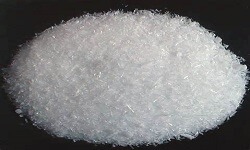
Urea (Granular) - Egypt
Found this useful?