Ethylene Glycol and Nitrogen Fertilizer Shipping Overlaps in the Gulf
Global maritime trade relies heavily on a concentrated network of Middle Eastern export terminals to move foundational industrial and agricultural materials. The shared Gulf routes linking ethylene glycol and nitrogen fertilizer exports create a unique logistical overlap that directly impacts global pricing.
Traders watch these specific shipping lanes closely because a single port disruption starves both the polyester and agricultural sectors simultaneously. Procurement managers must understand this dual cargo risk to protect their manufacturing margins.
The physical proximity of these massive chemical and fertilizer complexes means they compete for the exact same marine infrastructure. When regional tensions flare or seasonal demand peaks, this shared bottleneck triggers severe freight spikes across two entirely different end markets.
The Shared Gulf Export Infrastructure for Ethylene Glycol and Fertilizers
Middle Eastern producers build massive integrated industrial cities along the coastlines of Saudi Arabia and Qatar. These specific mega complexes manufacture both monoethylene glycol and nitrogen based fertilizers like urea and ammonia using cheap associated gas.
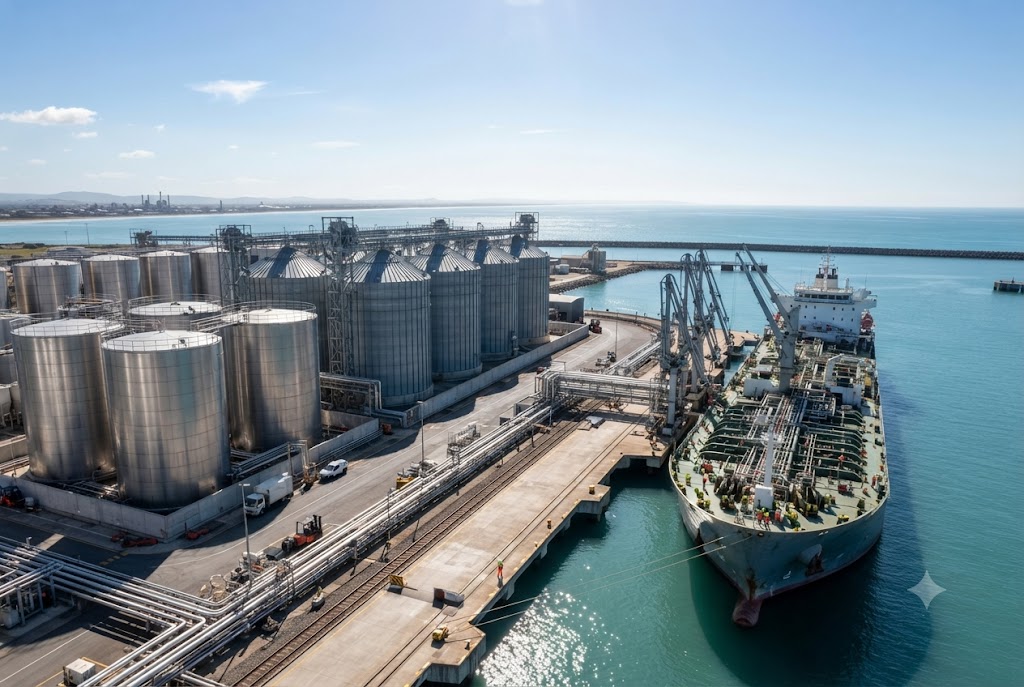
The physical products travel through shared pipeline networks to reach the same coastal marine terminals. Terminal operators manage the complex scheduling required to load liquid chemical tankers and bulk dry cargo ships at the exact same port.
This infrastructure concentration creates immense operational efficiency during normal market conditions. Producers benefit from shared utility networks and deep water berths that accommodate the largest ocean going vessels.
However this physical proximity also creates a single point of failure for global buyers. A localized equipment failure at a shared loading arm halts outbound shipments for both the textile and agricultural industries.
Maritime Chokepoints and the Dual Cargo Risk
Vessels carrying these critical materials must transit the exact same narrow maritime corridors to reach international waters. The Strait of Hormuz serves as the primary exit point for almost all Gulf based chemical and fertilizer exports.
Any geopolitical escalation in this specific waterway immediately triggers a dual supply shock. Maritime insurance providers revoke coverage for the transit zone and strand both liquid chemical tankers and bulk fertilizer carriers at the loading ports.
Global buyers of polyester intermediates and agricultural nutrients face identical physical shortages within days. This simultaneous disruption forces procurement teams in Asia and Europe to scramble for alternative origins across two completely different commodity markets.
The Red Sea transit route presents a secondary chokepoint for cargoes bound for European discharge ports. Regional security threats force shipowners to reroute vessels around the African continent which adds weeks to the total transit time.
Vessel Allocation and Freight Market Overlaps
The physical movement of these materials requires a highly specialized fleet of parcel tankers and bulk carriers. While the ships themselves differ, they compete fiercely for the exact same port services and tugboat allocations.
When export volumes surge during peak seasons, the local demand for marine pilots and mooring crews exceeds the available supply. Vessels wait at anchor for days before securing a berth to discharge their ballast and load their outbound cargoes.
These logistical bottlenecks inflate freight rates across the entire regional shipping market. Chemical charterers and agricultural traders end up bidding against each other for premium vessel slots to meet their strict delivery deadlines.
Port congestion also increases the risk of cargo contamination and demurrage penalties. Terminal operators struggle to clean shared storage tanks and loading lines quickly enough to switch between sensitive chemical grades and bulk fertilizers.
Shipowners impose strict demurrage penalties on any vessel that fails to complete its loading operations within the allotted window. These financial penalties eventually trickle down to the final landed cost of the chemical and agricultural products.
Seasonal Demand Clashes Between Polyester and Agriculture
The downstream consumers of these materials operate on entirely different seasonal cycles. Agricultural buyers rush to secure nitrogen fertilizers ahead of the spring planting season in the Northern Hemisphere.
Textile and packaging manufacturers increase their monoethylene glycol purchases ahead of the autumn and winter retail seasons. These distinct demand peaks occasionally overlap and create massive logistical bottlenecks at the export terminals.
Spring planting rush: Fertilizer importers charter every available bulk vessel to move urea and ammonia to agricultural hubs before the planting window closes.
Autumn textile peak: Polyester producers secure long term lift agreements for liquid chemical tankers to feed their massive polymerization reactors.
When these two seasonal peaks collide, terminal operators must prioritize specific cargoes based on strict demurrage clauses. The delayed shipments inevitably trigger force majeure declarations and severe spot market shortages for the deprioritized sector.
Geopolitical Shocks and the Simultaneous Supply Squeeze
A single regional event can instantly inflate prices across both the plastic and agricultural value chains. When local authorities mandate sudden production curtailments to conserve domestic natural gas, both chemical and fertilizer plants slash their operating rates.
This coordinated capacity reduction removes millions of tonnes of combined export volume from the global market. Trading desks watch these specific utility mandates closely because they signal an impending physical shortage for both sectors.
The simultaneous supply squeeze creates a unique arbitrage opportunity for agile merchant traders. These intermediaries leverage their cross commodity networks to secure alternative volumes from North America and Eastern Europe to satisfy desperate Asian buyers.
Procurement managers who only track their specific chemical sector miss the early warning signs embedded in the agricultural freight markets. A sudden spike in bulk fertilizer shipping rates often precedes a similar rally in liquid chemical freight costs.
Market participants quickly price in this dual risk premium whenever regional tensions escalate near critical maritime chokepoints. The resulting volatility makes long term contract negotiations extremely difficult for both chemical and agricultural buyers.
Procurement Strategies for Managing Dual Exposure
Corporate purchasing teams must look beyond their immediate commodity silos to understand these shared logistical risks. Relying entirely on Gulf origin materials for both polyester intermediates and agricultural nutrients concentrates your supply chain exposure in a single geographical zone.
Smart buyers diversify their origin base to include North American and European producers who utilize entirely different export routes. This geographical spread ensures your manufacturing lines continue running even when Middle Eastern maritime corridors face sudden closures.
Monitor cross commodity freight rates: Track bulk agricultural shipping costs to anticipate future spikes in chemical tanker charter rates.
Negotiate flexible loading ports: Secure contracts that allow your suppliers to divert cargoes to alternative regional terminals if your primary port faces severe congestion.
Build strategic buffer stocks: Maintain deep physical inventories at local warehouses to absorb the delays caused by seasonal demand clashes at the export terminals.
Financial hedging instruments also provide crucial protection against these dual market shocks. Purchasing desks buy over the counter swaps on both chemical and agricultural freight indices to lock in their maximum logistics budgets.
What Buyers Should Do Now
The structural overlap between these two massive export markets demands a highly coordinated procurement strategy. Procurement leaders must immediately audit their physical inventory levels and compare them against their projected consumption rates for the next ninety days.
Identify any critical gaps where a sudden port congestion event could force your downstream plants to curtail production. Engage directly with your primary suppliers to understand their exact terminal scheduling priorities during peak seasonal clashes.
Establish secondary qualification trials with North American producers to ensure you have viable backup options. This geographic diversification protects your manufacturing operations if the shared Gulf export routes face unexpected geopolitical disruptions.
Adaptability and cross market intelligence now define success in this highly concentrated logistics environment. Ready to source monoethylene glycol from verified global suppliers? Explore competitive offers on our platform today.

Monoethylene glycol
Found this useful?