EU Anti-Dumping Duties on PVC: What Importers Need to Know
The European Commission has already imposed definitive duties on suspension PVC from the United States and Egypt. On 24 September 2026 it opened a second case that targets four more origins. For importers, EU anti-dumping duties on PVC now touch most of the resin’s major export routes.
The new investigation covers China, South Korea, Taiwan and Mexico. Eurostat data show these four origins shipped 593,715 tonnes of PVC into the EU between 1 April 2025 and 31 March 2026.
Buyers who shifted to these suppliers after the first duties took effect now face a second round of uncertainty. This guide explains what the duties cover, which dates matter and how procurement teams can prepare.
How the Duties on US and Egyptian PVC Work
The first case began on 15 November 2023. The Commission acted on a complaint filed on 2 October 2023 by the PVC Trade Committee, which speaks for European producers.
Provisional duties followed in July 2024 under Implementing Regulation (EU) 2024/1896. The Commission then confirmed definitive duties on 9 January 2025 under Implementing Regulation (EU) 2025/36, and it collected the provisional amounts it had secured.
The measure covers suspension PVC (S-PVC) not mixed with any other substance. It falls under CN code ex 3904 10 00 and applies to goods originating in Egypt and the United States.
Rates vary by exporter. For US producers, reported duties range from 58% to 77%, which makes shipments from that origin hard to place in the EU market.
The New Investigation Into China, South Korea, Taiwan and Mexico
The Commission opened this case after a complaint from the PVC Trade Committee. It covers suspension and bulk-polymerised PVC and excludes emulsion-polymerised PVC.
The investigation period runs from 1 April 2025 to 31 March 2026. The Commission will test two questions:
Dumping: whether exporters sold PVC into the EU below a fair comparison price in their home markets.
Injury: whether those sales caused material harm to EU producers.
Ineos backs the case and says imports from the four origins rose 100% in 12 months. The Commission has not confirmed that figure and will reach its own findings. An investigation does not guarantee duties.
Key Dates Importers Should Track
The Commission has published an indicative schedule. Importers can plan around it, although dates can shift during a case.
23 April 2027: the Commission expects to pre-disclose any provisional measures.
20 November 2027: the Commission expects to disclose definitive measures.
The gap between these two dates matters. Provisional duties can apply to new shipments well before the final decision, and the Commission can collect them definitively if it confirms duties later.
The UK has also launched its own case. It began an anti-dumping investigation in August into S-PVC from China, Mexico and South Korea. Importers who ship to both markets face pressure on two fronts.
How Trade Flows Are Already Shifting
Duties on US and Egyptian resin changed buying patterns quickly. Traders moved volume to other origins rather than pay the new rates.
S&P Global reported in August that imports from South Korea, China and Taiwan kept rising. Mexico also posted its largest monthly shipment to the EU in 2026 at that point.
That shift explains why European producers filed a second complaint. The origins that absorbed displaced demand now sit under investigation themselves.
Price and Supply Risks for Downstream Buyers
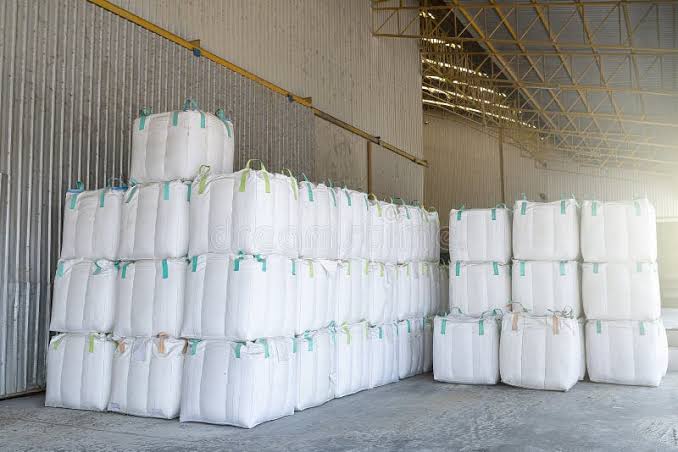
Argus assessed the PVC import price at €775 to €825 per tonne cif Europe in the week before the investigation opened. Duties change that picture fast, because they add directly to landed cost.
The risk goes beyond price. S&P Global has noted that alternative sources could run short if duties land on all four new origins. Fewer qualified suppliers means tighter allocation and weaker negotiating leverage for buyers.
Downstream converters feel this most. Pipe, profile, cable and flooring producers depend on steady resin supply, and a sudden origin switch can force new qualification work on their lines.
Practical Compliance Steps for Importers
Anti-dumping rules turn on origin, not on the port of shipment. Importers must prove where the resin was made, and customs authorities check that evidence closely.
Teams should act on four points now:
Confirm the CN code and origin on every PVC purchase. Check that the product falls under ex 3904 10 00 and that the certificate of origin matches the producer.
Review exporter-specific rates in the regulation. Duties differ by company, so a supplier name can change your cost.
Add contract clauses that assign duty risk. Decide in writing who pays if provisional measures apply between order and delivery.
Watch for circumvention rules. Routing resin through a third country to avoid duties can trigger extended measures and penalties.
Participation matters too. Importers, users and trade associations can register as interested parties in the investigation and submit evidence on supply and price effects. The Commission weighs the interests of users alongside those of producers.
What Buyers Should Do Now
The next seven months give importers a window to prepare before provisional measures could arrive in April 2027. Teams that wait for the announcement will pay the most for it.
Start by mapping your current exposure. List each PVC supplier by origin and share of volume, then estimate the cost impact if duties apply to the four named origins.
Next, widen your supplier base. Qualify at least one origin outside both investigations, and test its resin on your own production lines early. Long qualification cycles punish last-minute switches.
Finally, build flexibility into pricing and delivery terms. Short contract tenors and clear duty-sharing clauses let you adapt when the Commission publishes its findings. The sector has seen two cases in three years, and importers should expect trade defence to stay a permanent feature of PVC sourcing.

PVC Resin
Found this useful?