EU carbon permits have reached a 23-week high, adding another powerful data point to the broader repricing taking place across energy and commodity markets. The move raises the cost of permitted emissions for covered European industries and strengthens the need for buyers to monitor carbon exposure alongside fuel, feedstock and freight.
For chemical traders, procurement managers and industrial buyers, the permit increase matters because carbon costs can influence production economics across refining, chemicals, metals, fertilizers and other energy-intensive sectors. The immediate effect may remain uneven, but a sustained rise can eventually reach supplier offers, operating rates and investment decisions. Procurement teams should treat the latest move as both a cost signal and an indicator of changing expectations about European industrial activity, energy use and emissions compliance.
Why a 23-Week High Matters to Industrial Buyers
A 23-week high shows that carbon permits have moved beyond a short-lived daily increase. The market has reached its strongest level in more than five months, creating a more meaningful benchmark for industrial planning.
Carbon permits function as a direct cost for covered companies that emit greenhouse gases. When permit prices rise, manufacturers with high emissions intensity face greater compliance expenses.
The size of the effect depends on several factors:
The amount of emissions generated per unit of production
The number of permits a company must purchase
The availability of free allocations
The facility's energy efficiency
The company's ability to pass costs to customers
The use of hedging or forward purchasing
Chemical buyers do not need to purchase carbon permits directly to face exposure. The cost can enter their supply chains through producer pricing and reduced operating flexibility.
Carbon Permits Are Part of a Wider Repricing Wave
The permit increase is occurring within a broader commodity repricing environment rather than in isolation. Energy, freight, industrial inputs and emissions costs can reinforce one another when they rise at the same time.
A chemical producer may face higher natural gas or electricity expenses while also paying more for carbon compliance. Freight and insurance can add further pressure to delivered costs.
This combination matters more than any individual increase.
A modest carbon cost may remain manageable when energy prices are stable. The same permit price can become more difficult to absorb when fuel and feedstocks are already expensive.
Procurement teams should therefore analyse carbon permits as one component of total production economics. A supplier's price adjustment may reflect several overlapping pressures rather than a direct carbon surcharge alone.
How the EU Carbon Market Influences Chemical Production
European chemical manufacturing includes both high-volume commodity plants and specialised production facilities. Their carbon exposure varies according to feedstock, energy source and process design.
Energy-intensive processes can generate substantial direct and indirect emissions. Producers may need permits for emissions from their operations while also facing higher electricity prices when power generators pass through their carbon costs.
This creates two potential transmission channels:
Direct carbon exposure: The producer must surrender permits for emissions generated at its facility.
Indirect carbon exposure: Electricity, steam or other purchased energy becomes more expensive because suppliers face their own emissions costs.
Products with energy-intensive production routes can face greater sensitivity. Ammonia, basic chemicals, industrial gases and selected inorganic materials may carry higher exposure than lower-energy blending or formulation operations.
The resulting price response will depend on market conditions. Producers can pass costs more easily when supply is tight and demand remains strong.
Which Industries Face the Strongest Carbon Cost Pressure?
The European carbon market affects several major industrial sectors, but exposure differs considerably.
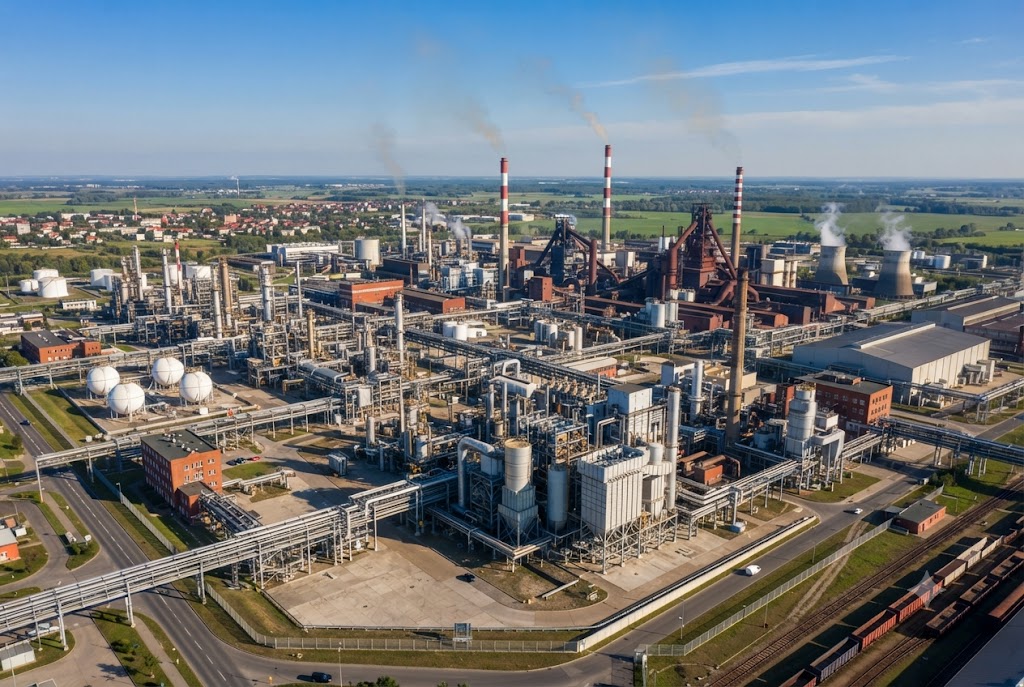
Steel and metals rank among the most visible because production can require large amounts of energy and generate significant emissions. Refineries, power generators, cement producers and selected chemical facilities also face substantial compliance requirements.
For chemical procurement teams, the most relevant sectors include:
Basic chemicals: Large continuous plants can consume significant heat and electricity.
Fertilizers: Ammonia and nitrogen production carry strong energy and carbon exposure.
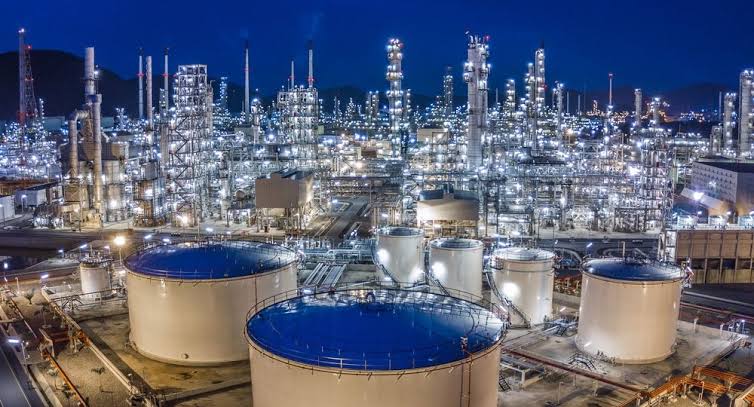
Refining: Refineries connect carbon costs with crude processing and petrochemical feedstocks.
Industrial minerals: High-temperature processing can create direct emissions.
Metals and steel: Carbon pricing can affect both production costs and downstream chemical demand.
These sectors also trade extensively with one another. Higher steel or refinery costs can influence chemical packaging, construction demand and industrial maintenance activity.
Carbon Costs May Affect Supplier Pricing With a Delay
The latest permit increase may not immediately appear in chemical quotations. Many producers purchase allowances in advance or hedge part of their exposure.
Existing product inventories can also delay the cost impact. A producer may continue selling material manufactured under lower energy and carbon costs before replacement economics change.
The effect becomes more visible when companies purchase additional permits, renew energy contracts or update annual pricing formulas.
Supplier behaviour may provide an early warning. Procurement teams should watch for:
Shorter quotation validity
New energy or emissions surcharges
More frequent contract reviews
Reduced discounts
Lower willingness to offer fixed prices
Production curtailments at high-cost facilities
Several changes appearing together would suggest that the carbon market is beginning to influence physical chemical trade.
Why Carbon Permit Strength Can Signal Industrial Expectations
Carbon permit prices do not reflect compliance costs alone. They can also incorporate expectations about future industrial activity, power generation and regulatory demand.
If traders expect stronger factory output or greater fossil fuel use, demand for allowances may increase. A rising permit price can therefore suggest that the market anticipates higher emissions requirements.
However, the signal is not always straightforward.
Regulatory changes, weather conditions, fuel switching and financial positioning can all influence permit prices. A 23-week high does not automatically confirm stronger industrial production.
Procurement teams should compare carbon prices with electricity demand, gas prices, factory operating rates and industrial output indicators.
The most useful intelligence comes from identifying whether these measures are strengthening together.
European Producers May Face Competitive Pressure
Higher EU carbon permit prices can create competitive differences between European manufacturers and producers in regions without equivalent carbon costs.
A European chemical producer may face direct emissions expenses that an overseas competitor does not bear. This can affect export competitiveness and domestic market pricing.
Freight can offset part of the difference. A distant supplier may offer a lower factory price but face higher transport and import costs.
Quality, lead time and technical approval also influence sourcing decisions. Buyers cannot always switch immediately to a lower-carbon-cost origin.
European policy mechanisms can further change the comparison by applying carbon-related costs to selected imports. Procurement teams should therefore assess the full landed and compliance-adjusted cost rather than comparing product prices alone.
Supplier diversification remains valuable, but origin changes require careful commercial and technical review.
Carbon Prices Can Influence Production and Capacity Decisions
A sustained increase in carbon permit costs can affect more than short-term pricing. It can influence whether manufacturers operate older plants, invest in efficiency or shift production between regions.
High-cost facilities may reduce operating rates when energy, carbon and feedstock expenses exceed available margins.
This can tighten chemical availability even if demand remains moderate. Buyers may face fewer regional suppliers and longer lead times.
At the same time, stronger carbon prices can encourage investment in:
Energy-efficient equipment
Electrified production systems
Lower-carbon feedstocks
Renewable power procurement
Carbon capture technologies
Process optimisation and waste reduction
These investments can reduce long-term emissions exposure, but they require capital and implementation time.
Procurement teams should monitor facility-level announcements because plant closures, upgrades and production transfers can have direct supply consequences.
What the Permit Rally Means for Carbon-Intensive Products
Products with significant energy and emissions intensity deserve closer monitoring during a carbon permit rally.
The carbon content embedded in a product depends on raw materials, production technology and power sources. Two suppliers offering the same chemical may have very different emissions exposure.
Carbon black provides an example of an industrial material connected to energy-intensive manufacturing and multiple downstream sectors. Its economics can respond to feedstock, energy, environmental compliance and regional production conditions.
The impact of higher permits may appear through production costs rather than direct product shortages.
Buyers should ask suppliers about energy sourcing and pricing formulas where appropriate. They should also examine whether carbon expenses appear separately or remain embedded within broader adjustments.
Transparent supplier communication can help procurement teams distinguish structural cost increases from temporary market premiums.
How Procurement Teams Should Evaluate Carbon Exposure
Procurement teams should map their portfolios according to supplier region, production intensity and contractual pricing structure.
A useful assessment should include:
Whether the supplier operates within the EU carbon market
The energy intensity of the product
The importance of electricity, gas or coal in production
The producer's level of free permit allocation
The use of carbon or energy surcharges
Alternative supply origins
Freight and import cost differences
Technical barriers to switching suppliers
This process identifies products where rising carbon permits could create material cost exposure.
It also prevents buyers from overreacting across categories with limited emissions sensitivity.
Indicators That Would Confirm Broader Repricing
The 23-week high becomes more important if other industrial indicators continue strengthening.
Procurement teams should monitor:
European electricity and natural gas prices
Refinery and chemical plant operating rates
Producer price announcements
Industrial production data
Carbon allowance trading volumes
Supplier lead times
Import offers from non-European producers
A simultaneous rise in carbon, energy and producer offers would provide strong evidence of a broader cost cycle.
If carbon permits rise while energy and chemical prices remain stable, producers may still have enough margin or hedging protection to absorb the change.
The relationship should therefore be monitored over several weeks rather than judged from one trading session.
What Chemical Buyers Should Take From the 23-Week High
EU carbon permits reaching a 23-week high adds another important signal to the current commodity repricing wave. The move increases potential compliance costs for carbon-intensive European industries and may eventually influence chemical pricing, production and trade flows.
The effect will vary by supplier and product. Energy-intensive facilities with large permit requirements carry greater exposure than lower-emission operations.
Chemical procurement teams should compare carbon costs with energy markets, plant utilisation and supplier behaviour. Several indicators moving together would signal a stronger risk of price transmission.
Buyers should also evaluate regional sourcing alternatives without ignoring freight, quality and qualification requirements. A lower-cost overseas offer may not always provide the best landed value.
The strongest response involves exposure mapping, diversified supply and careful monitoring of contract terms. Carbon permit strength may remain only one component of production cost, but at a 23-week high it deserves a more prominent place in European chemical procurement intelligence.
Ready to source carbon black from verified global suppliers? Explore competitive offers on our platform today.