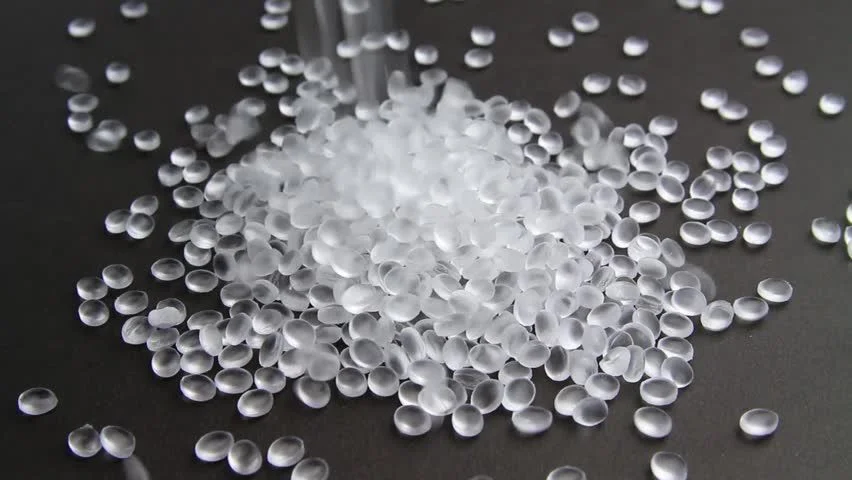
The latest Cefic Chemical Trends Report Q1 2026 reveals that Europe's chemical downturn is not affecting every product category equally. While overall EU chemical production declined 3.2% year on year, the sharpest weakness occurred in other organic basic chemicals and polymers, whereas selected specialty and consumer-oriented chemical segments continued to show resilience.
For procurement professionals, this distinction is one of the most valuable insights in the report. It explains why suppliers of commodity chemicals continue facing intense commercial pressure while many specialty chemical producers remain comparatively stable. The data also reinforces a broader industry trend seen across global chemical markets, where commodity producers have generally underperformed more diversified specialty manufacturers.
Why Commodity Chemicals Are Under Greater Pressure
Commodity chemicals are highly sensitive to changes in industrial demand and feedstock costs.
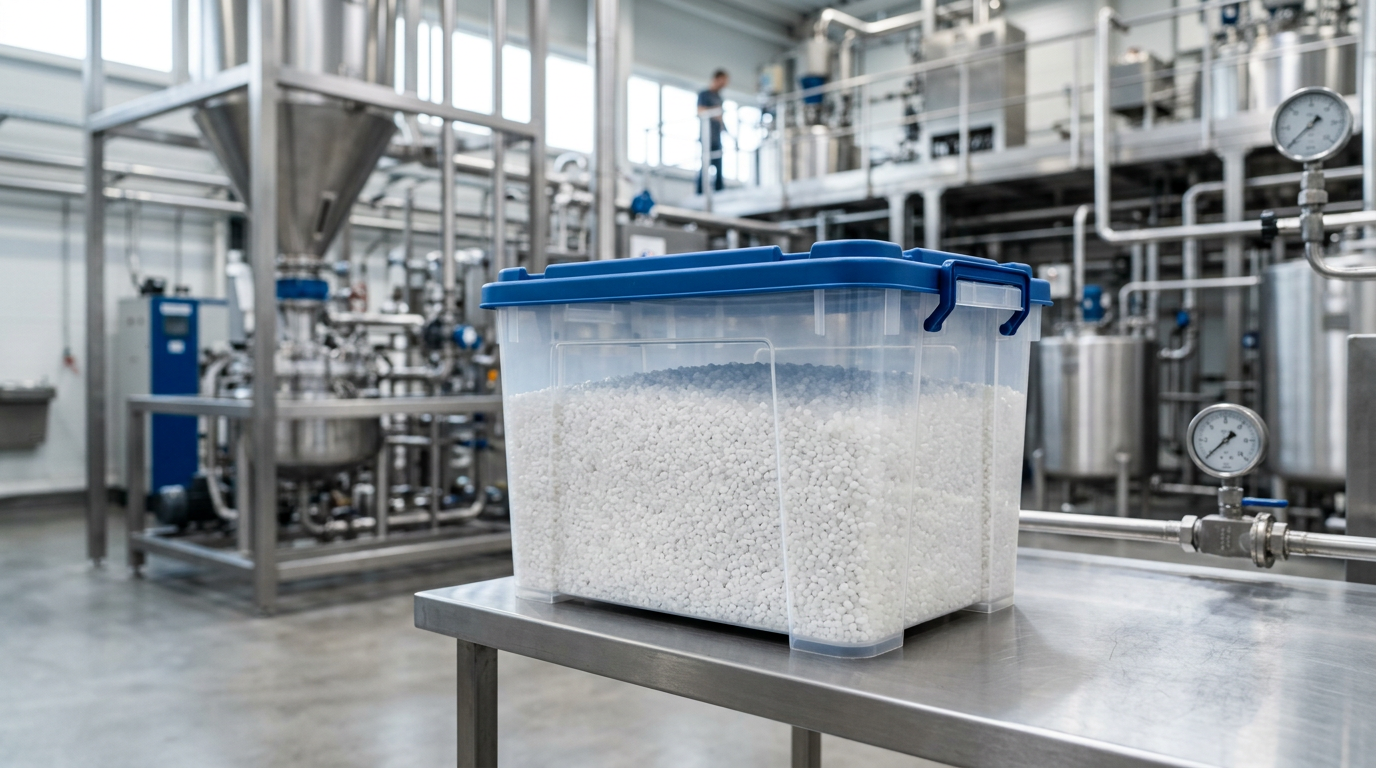
Products such as methanol, ethylene, propylene and polymer feedstocks are produced in large volumes and compete primarily on cost. When manufacturing activity slows or raw material costs increase, these markets often experience the strongest decline.
The latest European production data reflects these pressures.
Key factors include:
Weak construction activity across several European markets.
Slower manufacturing demand.
Elevated feedstock and energy costs.
Lower operating rates at petrochemical facilities.
Together, these conditions have placed sustained pressure on producers of basic organic chemicals and polymers.
Why Polymers Have Been Hit So Hard
Polymers are closely linked to industries such as packaging, automotive manufacturing, consumer goods and construction.
When these downstream sectors reduce production, polymer demand typically weakens within a relatively short period.
Lower demand often leads to:
Reduced operating rates at polymer plants.
Higher competition among suppliers.
Increased pressure on production margins.
Delayed investment in new manufacturing capacity.
For buyers, these market conditions can create opportunities to negotiate competitive commercial terms while demand remains subdued.
Basic Organic Chemicals Face Multiple Challenges
The category described as other organic basic chemicals includes many of the building blocks used throughout the chemical industry.
These products have faced a combination of structural and temporary pressures.
Structural challenges include Europe's higher energy costs and lower competitiveness compared with other producing regions.
Temporary pressures include recent supply disruptions affecting Gulf exports, particularly for products connected to petrochemical feedstocks.
Together, these factors have contributed to one of the weakest-performing segments in the European chemical market.
Why Specialty Chemicals Continue Showing Resilience
Unlike commodity chemicals, specialty products compete primarily through performance, formulation and customer-specific applications rather than production volume alone.
Selected specialty and consumer-oriented chemical segments have remained more resilient because demand tends to be more diversified and less dependent on short-term fluctuations in heavy industry.
Several characteristics support this resilience:
Higher value-added products.
Greater customer differentiation.
Long-term technical partnerships.
Less direct exposure to commodity pricing cycles.
These strengths allow many specialty producers to protect profitability even during broader market downturns.
The European Data Matches the Global Industry Pattern
The category-level findings from Cefic closely align with broader developments across the global chemical industry.
Large commodity-focused producers have generally experienced weaker financial performance because their businesses remain heavily exposed to petrochemical cycles and basic chemical demand.
By contrast, diversified specialty chemical companies have demonstrated greater resilience through higher-margin product portfolios and stronger exposure to consumer-oriented markets.
For procurement professionals, this consistency between European production data and global corporate performance strengthens confidence in the underlying market trend.
What This Means for Procurement Strategy
Not every chemical category should be sourced using the same purchasing approach.
Current market conditions suggest different strategies for commodity and specialty chemicals.
For commodity chemicals:
Suppliers may remain focused on improving plant utilisation and securing reliable sales volumes.
Competitive pricing opportunities are more likely while industrial demand remains weak.
Production capacity is generally more readily available.
For specialty chemicals:
Supplier relationships often remain more important than short-term pricing.
Technical support and product quality continue to influence purchasing decisions.
Commercial flexibility may be more limited because demand has remained comparatively stable.
Understanding these differences allows procurement teams to allocate purchasing effort where the greatest commercial value can be achieved.
Managing a Mixed Chemical Portfolio
Many industrial buyers purchase both commodity and specialty chemicals.
Rather than applying a single sourcing strategy across all products, procurement teams should evaluate each category according to its own market conditions.
Effective portfolio management includes:
Monitoring commodity and specialty markets separately.
Adjusting contract strategies by product category.
Tracking feedstock costs for commodity purchases.
Evaluating supplier financial strength across both segments.
Maintaining diversified sourcing where practical.
This approach improves purchasing flexibility while reducing exposure to changing market conditions.
What Buyers Should Watch Through 2027
Cefic's Q1 2026 category data confirms that Europe's chemical downturn is concentrated in commodity markets rather than spread evenly across the industry. Basic organic chemicals and polymers continue facing the greatest pressure from weak industrial demand, elevated energy costs and challenging feedstock economics, while selected specialty and consumer-oriented segments remain comparatively resilient.
For procurement professionals, these trends provide valuable guidance when planning sourcing strategies. Commodity chemical buyers may continue benefiting from competitive market conditions, while specialty chemical procurement should remain focused on supplier capability, technical performance and long-term partnership value. Buyers who recognise these category-specific dynamics will be better prepared to manage cost, supply risk and procurement performance throughout the evolving market cycle.
Ready to source commodity chemicals from verified global suppliers? Explore competitive offers on our platform today.