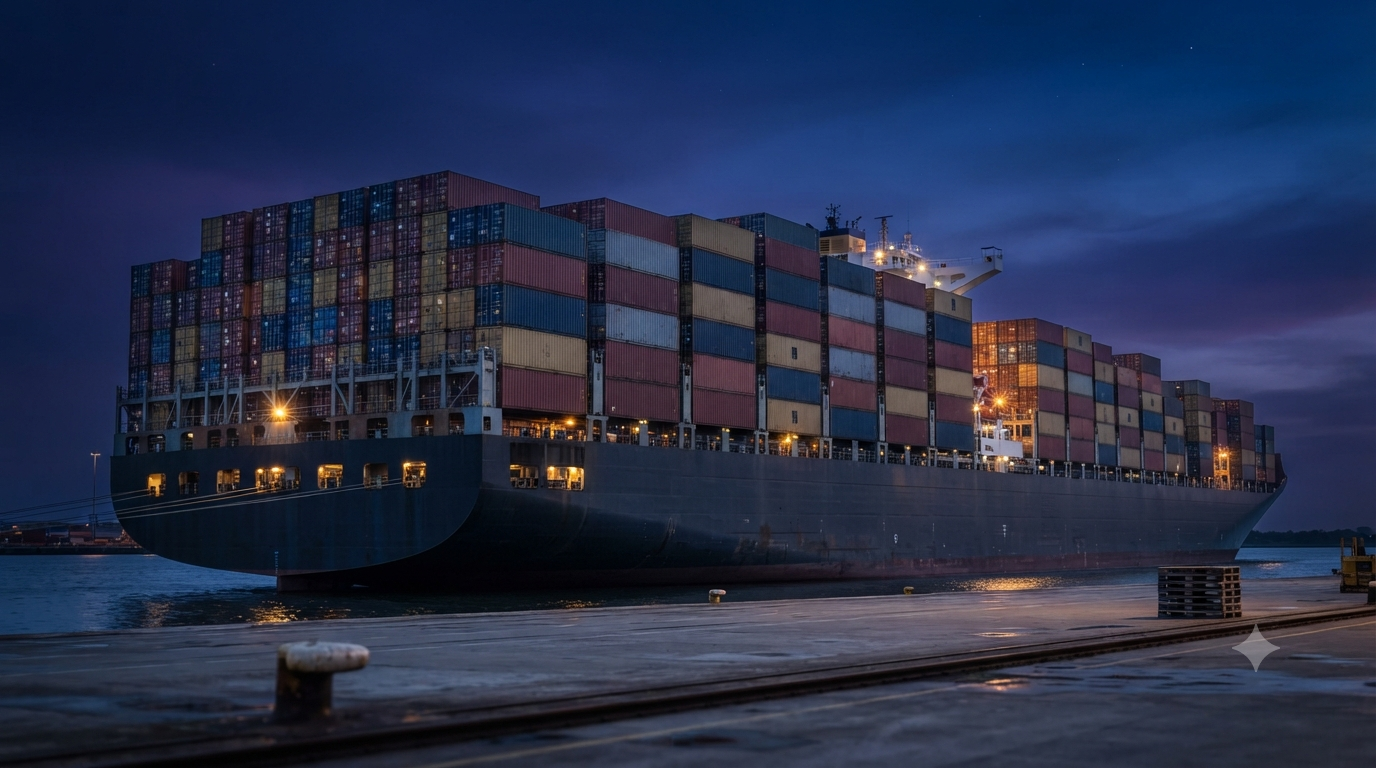
Europe-Bound Freight Lanes Test 2026 Peaks as Vessel Availability Tightens
Europe-bound freight lanes are pushing back toward their strongest levels of 2026, and vessel space is the main reason why. Tight availability across the Asia-Europe corridor is colliding with carrier-led pricing discipline and buyers moving early to secure peak season capacity. For chemical importers bringing raw materials and intermediates into Europe, this combination is already showing up as firmer freight quotes and shorter booking windows. The pattern echoes what transpacific shippers experienced earlier this year, only now the pressure has shifted west. Anyone sourcing chemicals from Asia into European ports should be paying close attention to how this lane behaves over the next quarter.
Why Europe-Bound Rates Are Climbing Again
The current rate rebound is not driven by a single cause. It reflects several pressures building at the same time.
Vessel availability has tightened as carriers continue routing ships around the Cape of Good Hope rather than through the Red Sea, effectively removing capacity from the market.
Early peak season ordering has pulled bookings forward, with importers trying to beat further rate increases.
Carriers have shown consistent pricing discipline, using rate restoration announcements rather than discounting to fill ships.
Port handling delays at several European gateways have slowed vessel turnaround, adding further strain to available capacity.
Together these factors have pushed spot rates on the lane back toward levels not seen since earlier peaks this year.
The Red Sea Effect Is Still Shaping Capacity
Cape routing adds roughly one to two weeks of transit time compared to the Suez route, and that extra time effectively removes vessels from active rotation. Carriers need more ships to maintain the same weekly service frequency, which tightens supply across the whole network.
This effect has persisted far longer than many shippers initially expected. Diversion premiums built into freight quotes have become a semi-permanent feature of Asia-Europe pricing rather than a temporary surcharge.
Buyers who assumed rates would normalize once Red Sea transits resumed are now recalibrating expectations. Most carrier commentary suggests Cape routing remains the default well into the second half of the year.
What This Means for Chemical Importers Into Europe
Chemical buyers sourcing from Asia into European ports are feeling this squeeze directly on landed cost calculations.
Products that move primarily by standard container, rather than bulk tanker, are the most exposed. Pigments, additives, specialty resins and coating raw materials fall into this category, since they typically ship in smaller volumes through container lines rather than dedicated bulk carriers.
The immediate impact is straightforward: freight now represents a larger and more volatile share of total delivered cost. Buyers negotiating supply contracts this quarter need to factor in freight assumptions that may look outdated within weeks.
Which Chemical Categories Are Most Affected
Not every chemical shipment feels this pressure equally. Bulk liquid and dry bulk cargoes moving by dedicated vessel are comparatively insulated. Container-shipped goods are not.
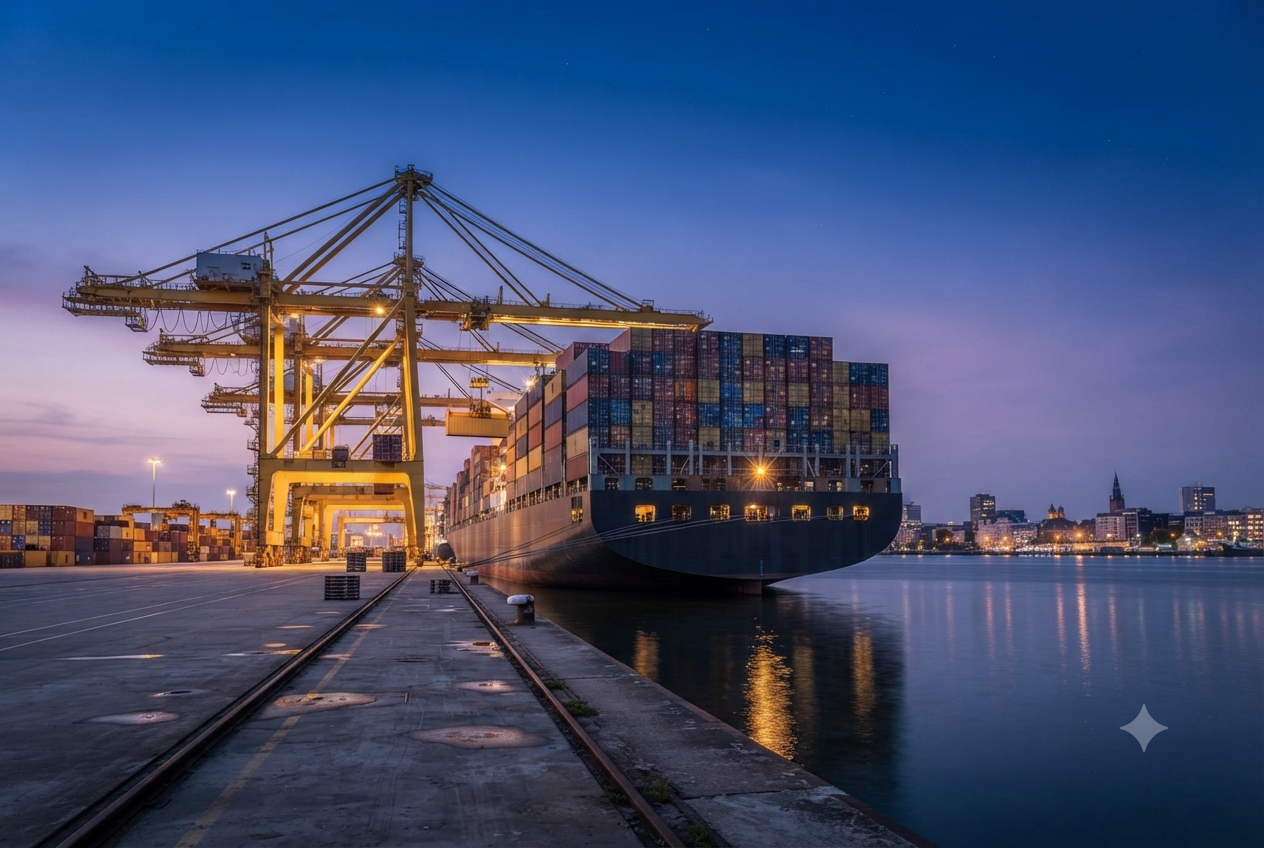
Pigment and coating raw material buyers are particularly exposed given how much of that trade moves in twenty and forty foot containers. Suppliers sourcing titanium dioxide and related coating additives from Asia are already flagging freight-driven quote revisions to their European customers.
Carrier Behavior and Booking Conditions
Carriers on the Asia-Europe trade have been consistent in their approach this cycle.
Rate restoration attempts have followed one after another, with limited pushback given how tight space has become.
Premium or guaranteed loading options have grown more common, at added cost, as standard bookings face rolling risk.
Contract shippers are seeing less protection than usual, as some carriers apply peak season surcharges even on fixed-rate agreements.
Shippers booking through freight forwarders report that confirmed space, not just competitive pricing, has become the primary negotiating point.
Regional Variation Across European Ports
Northern European hub ports such as Rotterdam and Antwerp are seeing the tightest conditions, given their role as primary transshipment points for onward European distribution. Mediterranean ports face somewhat different pressure, shaped more directly by Suez-adjacent routing decisions and regional feeder schedules.
Buyers importing into secondary or inland European markets should expect these hub-level delays to filter through to their own delivery timelines, even when their final destination port shows fewer direct symptoms of congestion.
What Buyers Should Do Now
Chemical importers moving product into Europe have a narrow window to adjust before peak season fully takes hold.
Book earlier than usual and avoid relying on spot availability during peak weeks.
Reassess supplier freight assumptions built into recent quotes, since many now understate current market conditions.
Consider splitting shipments across carriers or routings to reduce exposure to a single lane's volatility.
Keep close communication with logistics providers on realistic transit estimates given ongoing Cape routing.
Buyers who lock in capacity and pricing now are likely to fare better than those waiting for conditions to ease. Given how long the Red Sea diversion has already persisted, near-term normalization looks unlikely.
Ready to source Titanium Dioxide from verified global suppliers? Explore competitive offers on our platform today.

Titanium Dioxide
Found this useful?