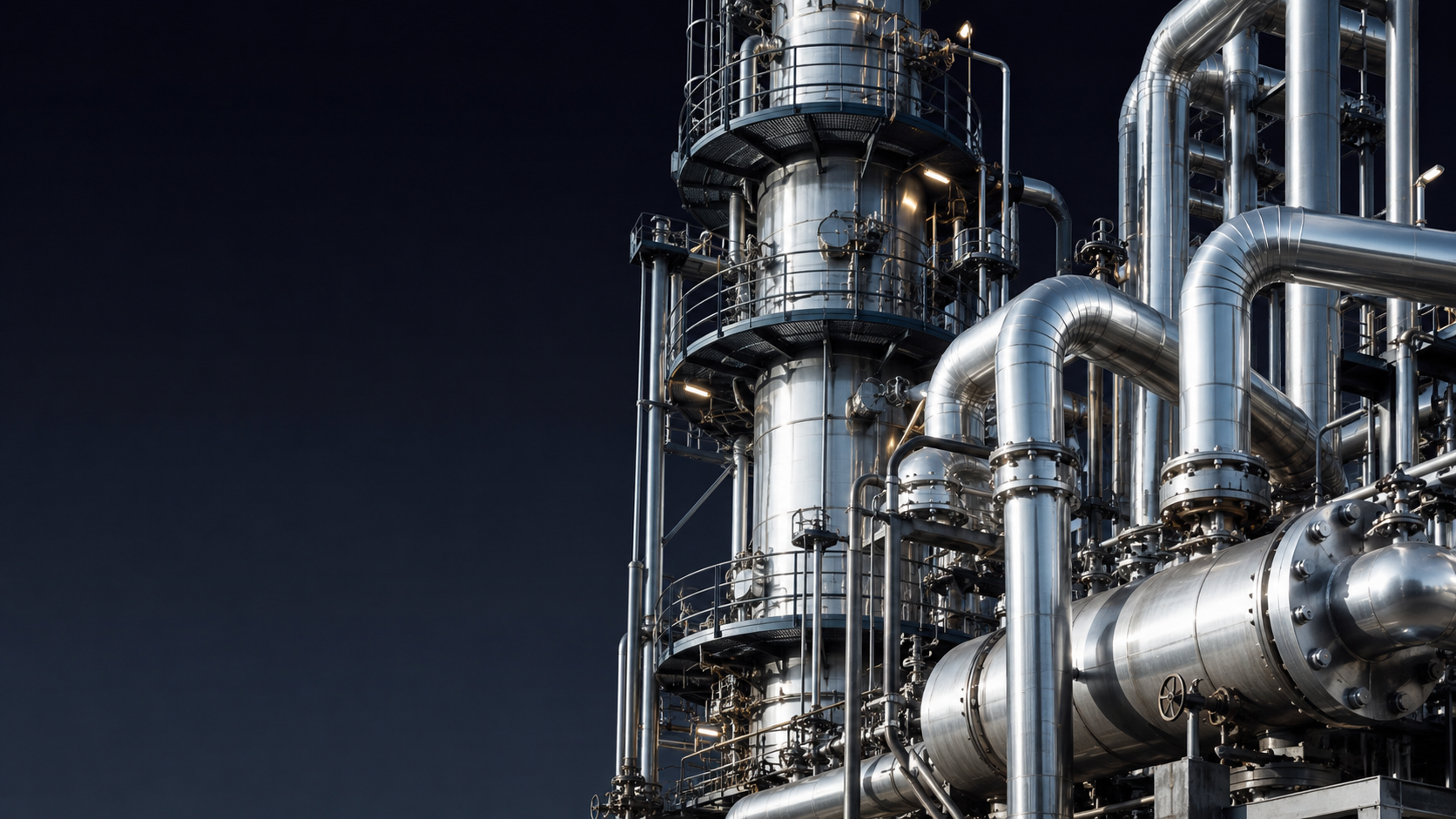
Europe Chemical Sector Decline Sparks Coordinated Government Action
European industrial manufacturing faces structural decay as high energy costs and regulatory burdens erode the competitive standing of domestic producers. This ongoing deterioration has finally forced national governments and European Union leaders to initiate coordinated policy discussions. Industry stakeholders now witness high-level interventions designed to prevent widespread plant closures and secure the future of regional chemical supply chains.
Basic chemical producers across the continent struggle against unfavorable cost structures that limit profitability and capital reinvestment. Energy-intensive sectors like petrochemicals and basic polymers absorb unsustainable operational expenses due to high power tariffs and strict environmental taxes. Without targeted state support or regulatory relief, domestic production capacity risks permanent contraction.
Policymakers in Brussels and major national capitals now prioritize industrial competitiveness alongside traditional green transition targets. Officials draft emergency relief packages aimed at reducing electricity costs and streamlining bureaucratic compliance procedures for chemical operators. These legislative adjustments seek to stem the tide of capital flight toward regions with cheaper feedstock and more flexible regulations.
National governments introduce targeted energy price subsidies for critical manufacturing sectors.
Regulatory frameworks undergo review to reduce administrative delays for facility upgrades and permits.
EU officials debate protective trade measures against heavily subsidized foreign chemical imports.
Procurement managers relying on European chemical suppliers must monitor these policy shifts closely to anticipate supply chain volatility. Government intervention creates a transitional phase where production output, pricing dynamics, and raw material availability fluctuate unpredictably. Sourcing teams actively diversify supplier networks to mitigate regional risks associated with prolonged industrial restructuring.
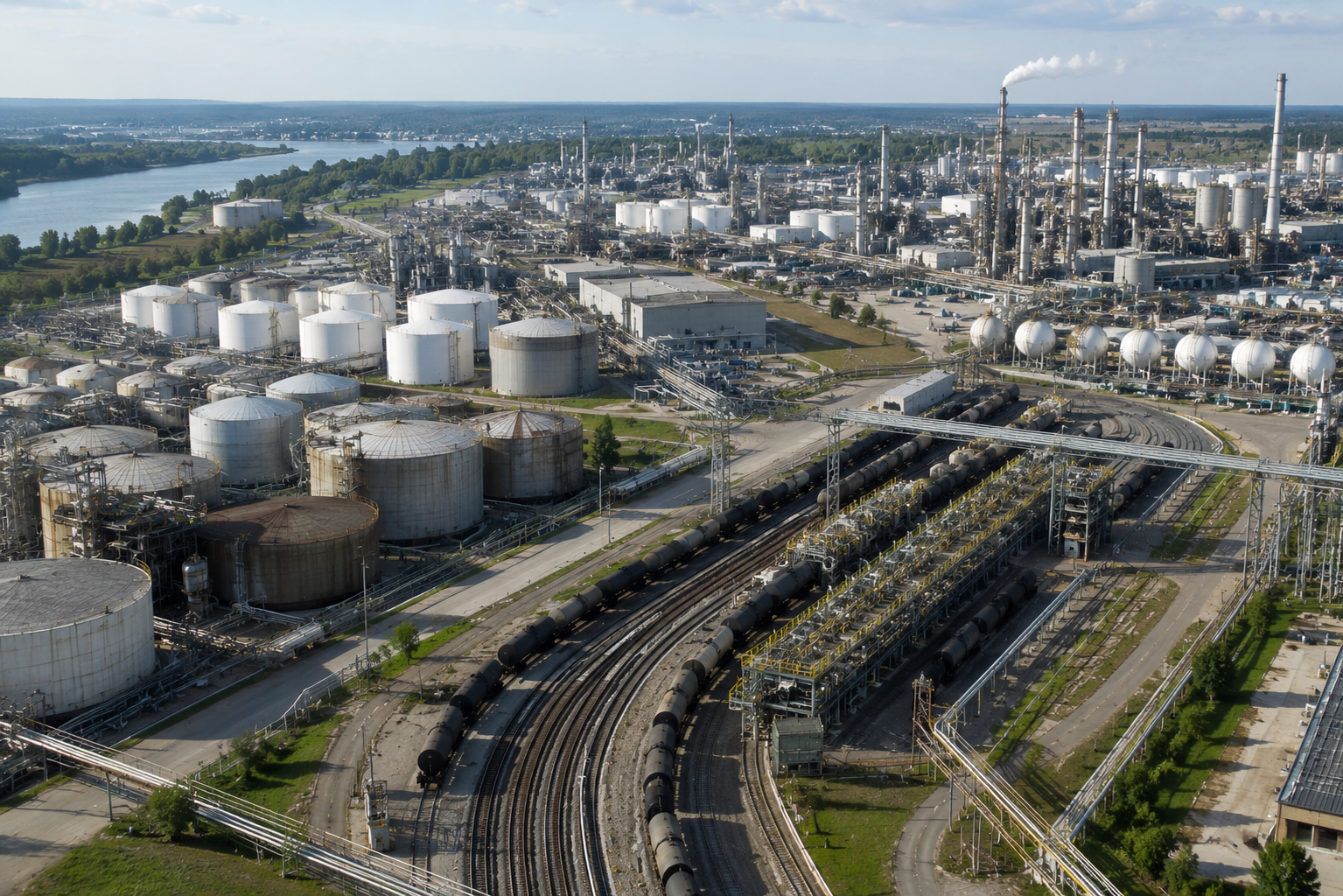
Industrial buyers face mounting complexity as regional policy adjustments intersect with stringent environmental mandates. Manufacturers attempting to balance sustainability goals with cost-effective sourcing find themselves navigating conflicting regulatory demands. Long-term supply security depends heavily on how effectively state interventions stabilize regional operating margins.
Downstream users establish flexible contract terms to accommodate fluctuating raw material costs.
Sourcing professionals audit vendor dependency on specific European energy grids and regional subsidies.
Chemical traders increase inventory buffers to protect manufacturing operations from sudden domestic supply interruptions.
The shifting political landscape underscores the vital role that domestic chemical production plays in broader economic stability. Effective government action can preserve essential manufacturing capabilities and safeguard regional supply chains against external shocks. Industry participants must remain adaptable as new policy frameworks reshape the European chemical marketplace.
What Procurement Teams Need to Know
Procurement professionals must evaluate how emerging European policy measures impact local supplier stability and long-term pricing trends. Sourcing managers should maintain close communication with regional vendors to track production adjustments and secure reliable material allocations. Ready to source chemical raw materials from verified global suppliers? Explore competitive offers on our platform today.

PVC Resin
Found this useful?