Europe Chemical Watch: LEUNA-Polyamid Insolvency Deepens German Chemical Crisis
Background: LEUNA‑Polyamid’s Collapse and Immediate Impact
The former LEUNA‑Polyamid GmbH, once a key caprolactam and polyamide producer in Germany, filed for insolvency in early 2026. The company’s assets were seized, and production lines halted abruptly, leaving a sizable gap in the domestic supply chain for both raw and finished chemicals.
Caprolactam, the core monomer for nylon 6, is critical for a wide range of applications—from automotive parts to textiles. Germany, historically a hub for high‑quality nylon production, now faces a sudden reduction in domestic output, forcing imports from Asia and other EU members.
Supply Concentration and the German Chemical Industry Crisis
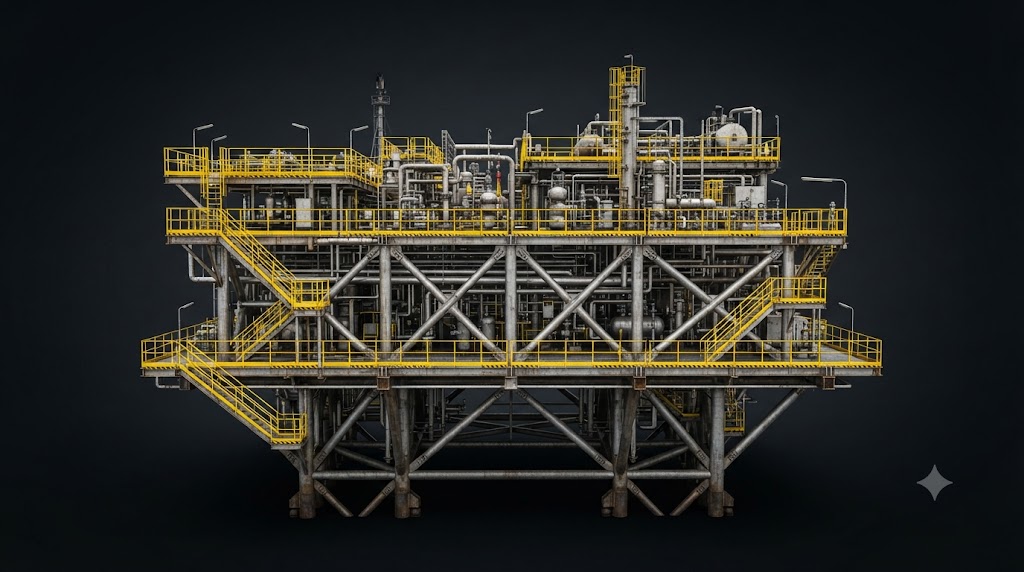
The insolvency highlights a long‑standing trend: a small number of plants dominate the German chemical landscape. With fewer facilities, any disruption—whether financial, operational, or regulatory—has outsized consequences.
Reduced Redundancy: Germany’s chemical sector once had a balanced mix of large and medium‑sized plants; now, a handful of giants control the majority of production.
Geographic Concentration: Key facilities cluster in regions like the Ruhr and the Rhine‑Mosel area, making localized crises harder to absorb.
Regulatory Vulnerabilities: Tight EU environmental rules increase compliance costs, disproportionately affecting older, less flexible plants.
Implications for the Caprolactam Market
Caprolactam’s price volatility has surged as supply tightens. While global supply remains adequate, the German market’s reduced output has triggered a price premium of up to 12% over EU averages.
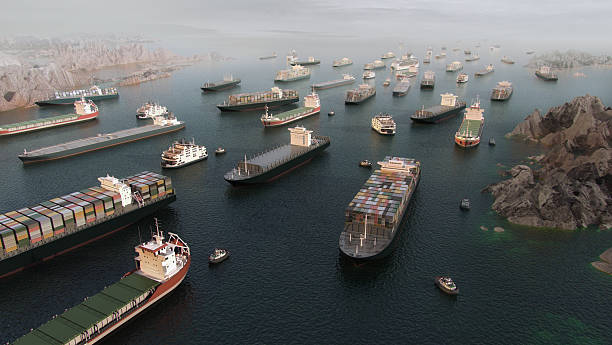
Import Dependence: German manufacturers now rely heavily on imports from China, the Czech Republic, and Poland.
Cartel Concerns: A few large players may coordinate pricing, potentially leading to anti‑competitive practices.
Quality Variability: Imported caprolactam may differ in purity, impacting downstream nylon production quality.
European Chemical Plant Closures: A Wider Trend
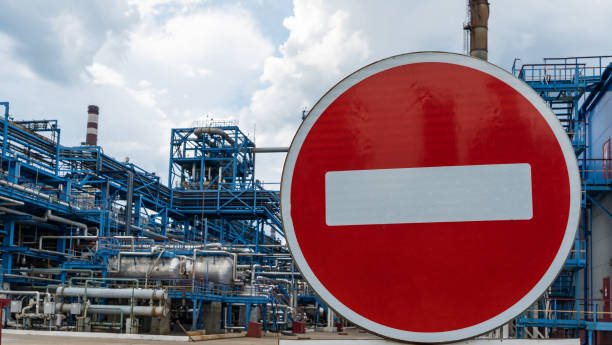
LEUNA‑Polyamid’s case is not isolated. Across Europe, several mid‑sized chemical plants have shut down or been repurposed due to economic pressures and stricter environmental standards.
Italy’s Pirelli‑chemical unit closed in 2025, citing low margins.
Spain’s Almirall’s specialty‑chemical wing shut down in late 2024.
Poland’s KGHM industrial chemistry division restructured in early 2026.
These closures accelerate supply concentration, reducing the EU’s overall resilience to shocks.
Strategic Responses for European Competitiveness
To mitigate risk and restore confidence, stakeholders must adopt a multi‑pronged strategy:
Investment in Flexibility: Modernize existing plants with modular technology that can switch between monomers as market demands shift.
Diversification of Supply Chains: Develop regional partnerships and stockpiles to cushion against sudden supply gaps.
Policy Support: EU funding programs should target green conversion projects, ensuring compliance without forcing closures.
Industry Collaboration: Establish a European Chemical Resilience Forum to share best practices and coordinate contingency plans.
A Call for Proactive Measures
The LEUNA‑Polyamid insolvency is a stark warning about the fragility of Germany’s chemical industry. By addressing supply concentration, supporting technological upgrades, and fostering collaborative resilience, Europe can safeguard its industrial competitiveness and secure a stable future for the chemical sector.
Found this useful?