Europe Competitiveness Crisis and the Flight of Energy Intensive Industries
European manufacturing faces a profound competitiveness crisis as persistently high energy expenses, climbing carbon compliance costs, and regulatory burdens force heavy industry to rethink domestic production. Industry leaders, including major chemical producers like Covestro, have repeatedly cautioned that structural economic pressures risk driving energy-intensive sectors out of the region. Without targeted policy interventions to safeguard foundational manufacturing, the European Union risks losing critical segments of its chemical supply chain to regions with lower operational costs.
Core Pressures Undermining European Industrial Bases
Sustained Energy Cost Disparities: Industrial electricity and natural gas rates across Europe remain significantly higher than pre-crisis baselines and outpace competitor regions, squeezing chemical conversion margins.
Escalating Carbon Compliance: Rising carbon pricing mechanisms impose heavy operational overhead on basic and specialty chemical plants trying to balance decarbonization mandates with financial survival.
Global Trade Imbalances: Unfair international trade practices and oversupplied global polymer markets compound local struggles, making domestic production increasingly unviable.
The Threat of Industrial Flight and Plant Relocations
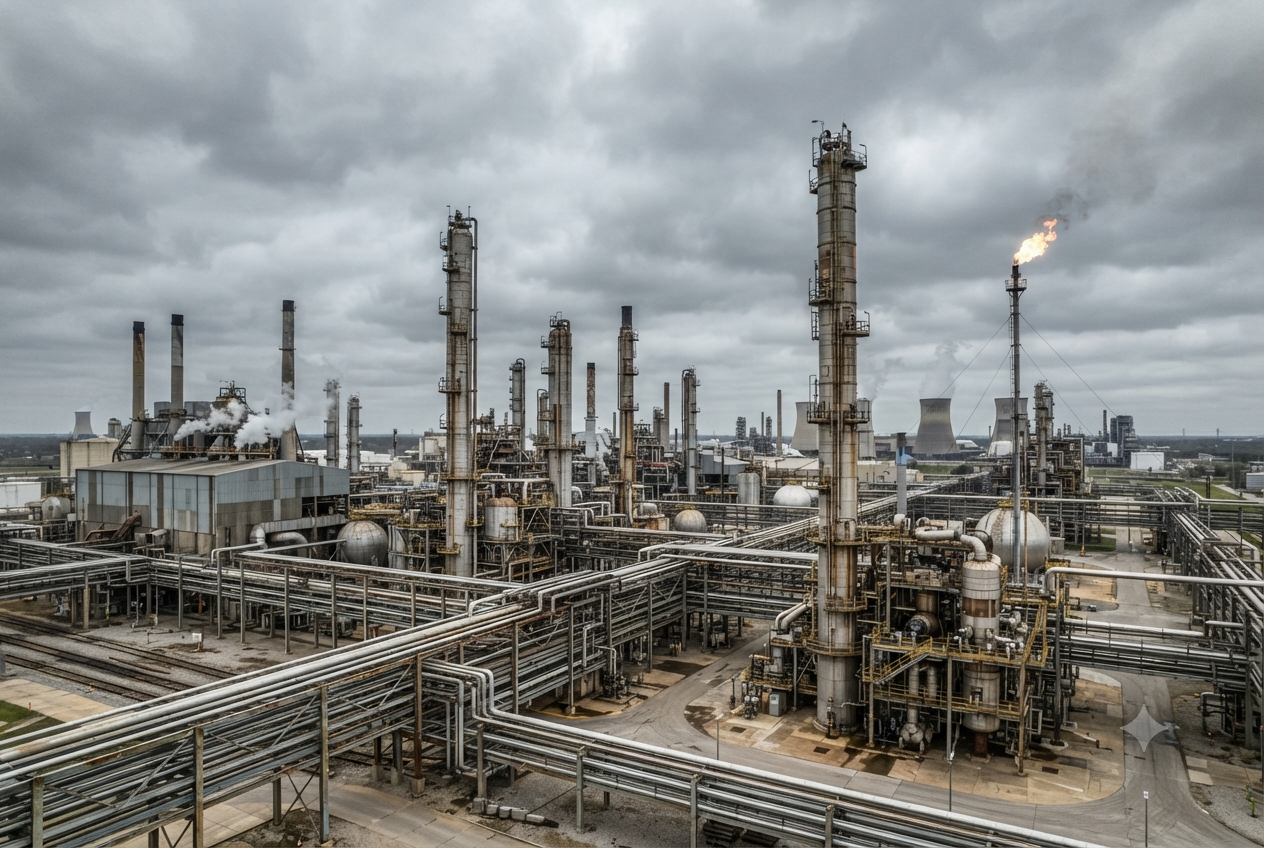
The widening cost gap between Europe and alternative manufacturing hubs has triggered strategic plant pauses, capital expenditure freezes, and permanent capacity reductions. Energy-intensive chemical facilities require predictable, long-term power pricing to operate base-load reactors continuously. When local operating environments become unpredictable, companies redirect investments toward regions offering secure feedstocks and stable energy frameworks. This flight of heavy industry threatens to hollow out regional value chains, creating downstream supply vulnerabilities for automotive, construction, and electronics sectors that rely on locally produced intermediates.
Strategic Adaptation by Chemical Producers and Traders
To navigate this volatile macro environment, chemical companies are modifying their operational footprints and risk models. Producers prioritize asset-light expansions, digital efficiency tools, and localized resource integration to reduce exposure to regional energy shocks. Meanwhile, global chemical buyers face a shifting map of supply availability. Sourcing managers must look beyond traditional European corridors, balancing procurement risks across Asian, Middle Eastern, and North American suppliers to ensure continuity.
Supply Chain Implications for Procurement Professionals
As European manufacturing capacity contracts or shifts overseas, procurement teams must adapt their sourcing strategies to mitigate structural shortages. Relying on a single geographic source exposes buyers to sudden regional supply shocks driven by regulatory shifts or local energy rationing.
Diversified Geographic Sourcing: Expanding supplier qualification protocols across multiple continents safeguards against localized production halts in Europe.
Flexible Contracting Models: Utilizing index-linked pricing agreements helps buyers navigate rapid shifts in international feedstock and freight costs.
Proactive Lead-Time Monitoring: Tracking regulatory updates, carbon border adjustment mechanisms, and regional trade data prevents unexpected delivery delays.
What Procurement Teams Need to Know Now
Navigating an era of industrial restructuring requires procurement professionals to maintain high agility and transparent supplier relationships. By closely monitoring macroeconomic policy shifts and diversifying regional sourcing options, buying teams can protect their supply chains against ongoing market volatility. Ready to source Polyethylene Terephthalate (PET) from verified global suppliers? Explore competitive offers on our platform today.

Polyethylene Terephthalate (PET)
Found this useful?