Europe's Structural Chemical Downturn Driven by Energy Costs and Global Competition
Europe's chemical industry faces a profound structural downturn rather than a temporary cyclical dip. Oliver Wyman explicitly identifies this shift as a permanent realignment of the regional market. Three primary drivers fuel this persistent decline across the continent. High energy prices permanently alter production economics for energy-intensive facilities. Tougher environmental regulations continuously increase operational compliance costs. Furthermore, Chinese producers aggressively prioritize market share over profit margins. Procurement managers and chemical traders must immediately adapt their sourcing strategies to survive this new reality. Buyers can no longer expect a return to historical baseline pricing or domestic supply stability. Organizations must proactively secure resilient global supply chains to maintain operational continuity. This transition requires a complete reevaluation of vendor selection criteria and inventory management protocols.
The Structural Nature of Europe's Chemical Downturn
The current market contraction extends far beyond typical business cycle fluctuations. Historical downturns usually featured temporary demand shocks followed by rapid economic recoveries. The present environment features permanent shifts in global competitive advantages. European chemical manufacturers face compounding disadvantages that will not reverse quickly. Capital investment has already shifted toward regions with structural cost benefits. This permanent realignment requires a fundamental rethink of regional procurement strategies. Buyers must accept that domestic supply will remain constrained and expensive. Long-term contracts with local producers now carry significant premium pricing risks. Global sourcing is no longer just an option but an absolute necessity for survival. Companies clinging to legacy domestic supply chains will face severe margin erosion.
High Energy Prices Reshaping Production Economics
Energy costs represent the most severe structural headwind for European chemical producers. Natural gas and electricity prices remain significantly higher than global benchmarks. Energy-intensive processes like chlor-alkali production and basic petrochemical cracking suffer the most. Manufacturers cannot absorb these elevated utility costs without destroying their profit margins. Many facilities operate well below optimal capacity just to limit financial losses. This sustained pressure forces permanent capacity rationalization across the continent. Procurement teams must source energy-heavy commodities from regions with abundant and cheap power. Relying on local production for these specific chemicals is now financially unviable. Buyers should actively seek suppliers in North America or the Middle East. These regions offer integrated feedstock advantages that European producers simply cannot match.
Tougher Environmental and Regulatory Mandates
Regulatory frameworks in Europe continue to tighten at an unprecedented pace. New compliance requirements demand massive capital expenditures for emission control and waste management. Chemical producers must navigate complex reporting standards that increase administrative overhead. These mandates disproportionately burden smaller manufacturers lacking the capital for rapid technological upgrades. The resulting operational friction further erodes the global competitiveness of European facilities. Buyers must ensure their alternative suppliers meet these same stringent environmental standards. Sourcing from non-compliant regions introduces severe legal and reputational risks. Frameworks like the Carbon Border Adjustment Mechanism will soon penalize high-emission imports. Procurement teams must factor these impending taxes into their total cost of ownership models. Sustainable sourcing is now a strict financial imperative rather than a corporate social responsibility initiative.
Chinese Producers Prioritizing Market Share Over Margin
Global trade dynamics heavily favor Asian manufacturers in the current environment. Chinese chemical producers actively prioritize volume growth and market share expansion over short-term profitability. This aggressive strategy floods the global market with competitively priced basic and intermediate chemicals. European importers benefit from this influx of low-cost materials. However, this dynamic accelerates the closure of domestic European production facilities. The long-term consequence is a deepening reliance on imported chemical feedstocks. Procurement professionals must build robust relationships with these high-volume Asian exporters. Understanding regional export quotas and shipping logistics becomes a critical competency. Buyers must also navigate complex anti-dumping regulations and evolving trade tariffs. Robust compliance frameworks are essential to avoid unexpected customs penalties during import.
Strategic Sourcing Adjustments for Chemical Buyers
Navigating a structurally declining regional market requires proactive and agile procurement strategies. Buyers must shift from reactive purchasing to comprehensive global supply chain mapping. Understanding the geographic cost advantages of your suppliers is now a critical risk management function.
Caustic Soda Flakes production remains highly sensitive to regional electricity costs. Buyers should source this commodity from facilities with access to abundant renewable or low-cost energy grids. This strategy ensures long-term price stability and reliable delivery schedules. Chlor-alkali producers in regions with subsidized power hold a distinct market advantage.
Titanium Dioxide faces intense margin pressure as European construction demand softens. Buyers can leverage this weakness to negotiate enhanced technical support without incurring premium costs. Suppliers are highly motivated to retain existing market share through value-added services. This creates an excellent opportunity to upgrade product specifications at legacy pricing.
Monoethylene Glycol volumes are heavily influenced by global polyester textile demand. Traders must monitor Asian manufacturing data closely to anticipate inventory buildups. Early detection of demand shifts allows for timely inventory adjustments and favorable spot pricing. Securing flexible volume commitments protects against sudden market corrections.
Potassium Carbonate serves as a critical input for specialty glass and agricultural chemicals. Sourcing from regions with stable regulatory environments ensures consistent product quality. Buyers should prioritize vendors with robust quality assurance protocols and transparent supply chains. Consistent particle size distribution is mandatory for high-quality end applications.
Consolidating spend with financially robust global suppliers provides mutual benefits. Vendors gain predictable revenue streams while buyers secure priority allocation during future supply crunches.
Supply Chain Risks and Vendor Viability
Prolonged margin compression threatens the operational viability of marginal European chemical producers. Buyers must conduct rigorous financial due diligence before awarding major domestic contracts. A supplier bankruptcy can cause catastrophic production delays and severe financial losses. Requesting audited financial statements and credit ratings is a standard protective measure. Procurement teams should also monitor industry news for early warning signs of distress. Sudden changes in management or delayed shipments often precede formal insolvency proceedings. Diversifying the supply base across multiple geographic regions mitigates these localized risks. Relying on a single country or a single manufacturer creates unacceptable vulnerability. Building a resilient network requires ongoing investment in supplier relationship management. Quality control must remain uncompromised despite aggressive cost-reduction targets. Cheaper alternatives often introduce hidden costs through production inefficiencies or product failures. Procurement leaders must defend quality standards to protect the final consumer brand.
Regional Market Dynamics and Trade Flow Shifts
The global chemical trade map is actively redrawing itself under these pressures. Asian exporters are aggressively seeking new markets to absorb excess domestic production. This surge in export volumes places immense downward pressure on prices in Europe and the Americas. Importers in Western markets benefit from this influx of competitively priced materials. However, they must navigate complex anti-dumping regulations and evolving trade tariffs. Procurement teams need robust compliance frameworks to avoid unexpected customs penalties. Freight logistics providers face their own set of challenges in this environment. Reduced overall cargo volumes force shipping lines to consolidate routes and increase sailing frequencies. Buyers must secure flexible freight contracts to avoid being stranded with high spot rates. Regional inventory hubs become increasingly valuable for managing this volatility. Storing critical raw materials in bonded warehouses allows buyers to react swiftly to local demand spikes. This strategy minimizes the impact of extended ocean transit times from primary manufacturing regions.
The Bottom Line for Procurement Teams
The structural downturn in the European chemical industry delivers a clear warning for global supply chains. High energy prices, tough regulations and aggressive Asian competition will dictate market conditions for the foreseeable future. Procurement professionals must embrace data-driven sourcing strategies to protect their organizations. Negotiating flexible contracts and diversifying the supplier base are mandatory actions. Financial vigilance regarding vendor stability is equally critical in this challenging environment. Companies that adapt quickly will gain a distinct competitive advantage. Agile buyers will secure better pricing and more reliable supply chains than their slower competitors. The challenging outlook demands proactive leadership and strategic foresight. Regular supplier audits and continuous market monitoring are no longer optional. They are fundamental requirements for maintaining operational continuity. Buyers must align their procurement policies with these harsh market realities to thrive. This proactive approach ensures uninterrupted manufacturing operations and protects corporate profitability. The chemical industry rewards those who anticipate change rather than merely reacting to it.
Ready to source Caustic Soda Flakes from verified global suppliers? Explore competitive offers on our platform today.
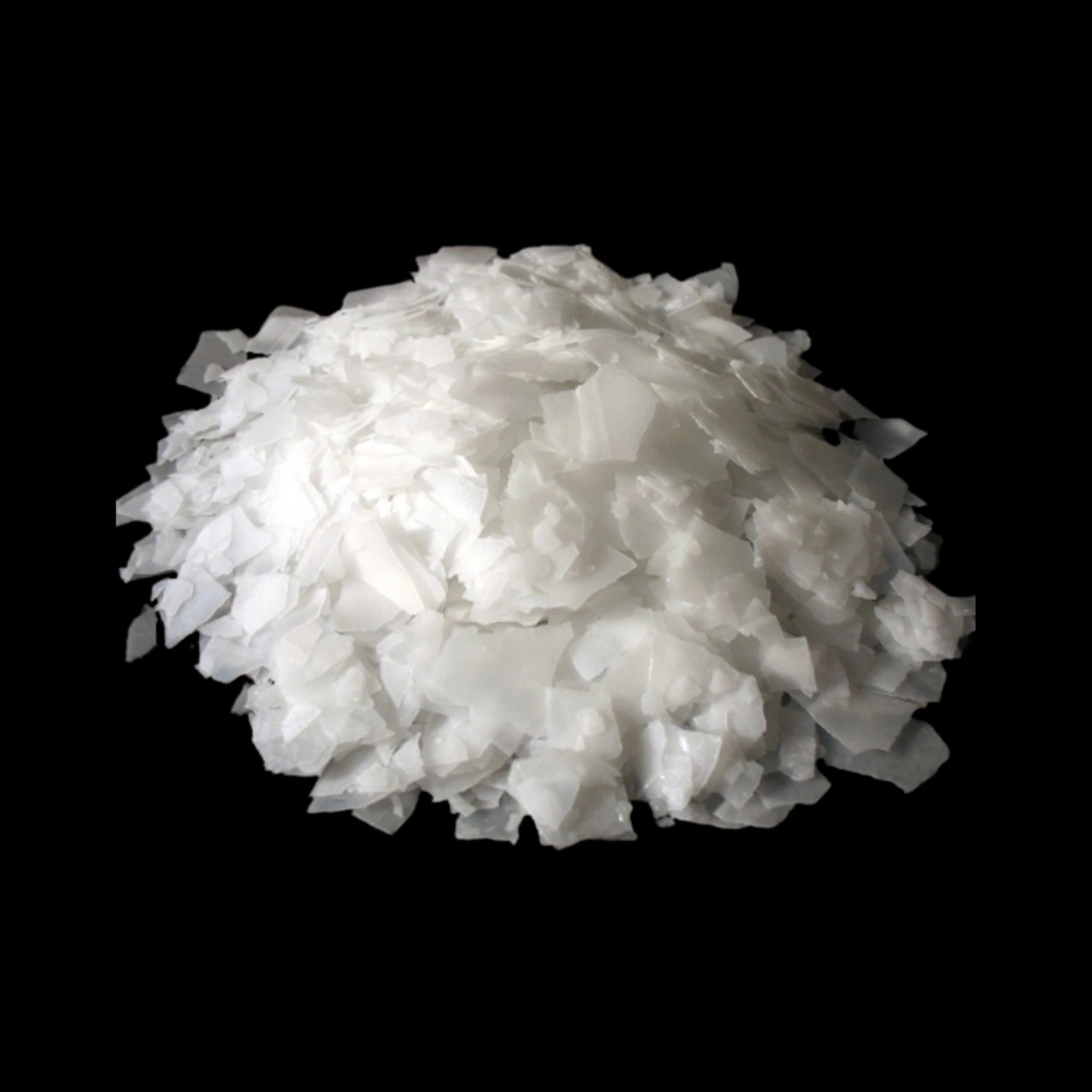
Caustic Soda Flakes
Found this useful?