European Chemical Industry 2026: Weak Demand, High Energy Costs and Import Competition
European chemical plants announced closures of roughly 37 million tonnes of capacity between 2022 and 2025, about 9% of the region’s total. The European chemical industry in 2026 still shows no clear sign of recovery.
Cefic, the industry’s trade body, described the sector in May as fragile rather than recovering. Production fell 3.2% year on year in the first quarter, and plants ran at about 75% utilization in the first half.
Three forces drive the squeeze: weak demand, high energy costs and pressure from cheaper imports. This article explains each one and what it means for anyone who buys or trades chemicals in Europe.
Weak Demand Holds Production Back
Demand has not returned. Cefic reports that EU27 production in 2025 fell 2.4% and stayed 11% below the 2014 to 2019 average.
Downstream customers explain much of the weakness. Automotive, construction and consumer goods producers across the eurozone have cut output, so they buy fewer chemical inputs.
Trade data confirm the picture. In the first quarter of 2026, EU chemical exports fell by €4.6 billion, or 12.4%, while imports fell by €4.8 billion, or 15.7%.
Energy Costs Keep Europe Uncompetitive
Energy remains the central problem. LyondellBasell said its Rotterdam operations pay about three times more for energy than comparable US sites, and it warned that costs could double again if the EU tightens carbon rules.
The Middle East conflict that began in February 2026 added more pressure. Brent crude moved above $117 per barrel at one point and lifted gas and electricity costs across the continent.
Energy also drives closure decisions. In Cefic’s study, 49% of closure cases named energy competitiveness as the main reason. Weak demand followed at 19%, then overcapacity at 9% and regulation at 8%.
Closures Gather Pace
Announced closures grew sixfold in four years, from 2.9 million tonnes in 2022 to 17.2 million tonnes in 2025. New investment fell sharply at the same time.
Steam crackers took the heaviest hit. Nine cracker closures account for about half of announced petrochemical closures and cut European steam cracking capacity by 16% net.
Cefic estimates that closures put 20,000 direct jobs and 89,000 indirect jobs at risk. Roland Berger, which carried out the study, notes that producers increasingly treat these closures as permanent.
Restructuring Across Major Producers
Large producers have reshaped their European footprints. BASF, Dow, Wacker and Evonik announced layoffs or shutdowns this year, and LyondellBasell and SABIC sold European assets.
Smaller players have struggled too. Trinseo and Plastic Energy both filed for bankruptcy restructuring in May.
Westlake shows how the pressures combine. The company will close its Cologne PVC plant, which has capacity of about 165,000 tonnes a year, and it cited weak demand, high energy costs and import pressure from Asia.
Import Competition Reshapes the Market
Imports declined overall in early 2026, which can seem odd. The drop reflects weak European demand, not a retreat by competitors.
Pressure shows up product by product. China keeps adding capacity and is scaling specialty chemicals production fast, and European producers say low-cost Asian supply undercuts their prices.
The EU has answered with trade defence. It imposed duties on PVC from the United States and Egypt, opened a case against PVC from four more origins, and set definitive duties on 1,4-butanediol and terephthalic acid. Each case shifts sourcing options for importers.
What the Squeeze Means for Buyers
Buyers face a mixed picture. Weak demand and global surplus keep many prices soft, yet closures reduce the number of local suppliers.
Three effects matter most:
Fewer regional producers: each closure removes a nearby source and raises dependence on imports.
Higher cost floors: producers with high energy costs cannot sell much below their cost, which limits price falls in energy-intensive products.
Trade measure risk: duties can raise import costs overnight, so lower-cost origins may close without warning.
Concentration creates the biggest danger. When one plant supplies a niche grade, a closure can leave buyers without a qualified alternative.
What Traders Can Do
Traders hold an advantage in a fragmented market. They can match buyers who lose a local source with exporters in regions that have lower energy costs.
Focus on products where European supply is shrinking. Look at cracker derivatives, chlor-alkali products and other energy-intensive chemicals, where closures reduce regional volume.
Stay current on trade measures. A new anti-dumping case can open or close an origin, and traders who track the Official Journal can reposition early.
What Buyers Should Do Now
Map your European exposure first. List each product by supplier, plant location and energy intensity, then flag any grade that depends on a single European site.
Qualify at least one non-European source for critical grades. Test samples early, since approval takes time and trade duties can arrive with little warning.
Keep contracts flexible. Link prices to published indices, include duty-change clauses and avoid long fixed commitments in a market that closures and trade cases keep reshaping
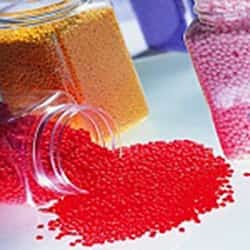
PVC Resin
Found this useful?