
EU's Critical Medicines Act Clears Parliament: What It Means for API Manufacturers
The European pharmaceutical industry is entering a new phase of supply chain resilience following the European Parliament's approval of the Critical Medicines Act. Backed by 503 votes, the legislation aims to strengthen Europe's healthcare security by encouraging the production of Active Pharmaceutical Ingredients (APIs), critical medicines, and essential drugs including antibiotics and insulin within the European Union.
The initiative comes after years of supply chain disruptions that exposed Europe's dependence on imported pharmaceutical ingredients. By supporting regional manufacturing, the Act seeks to improve medicine availability, reduce supply risks, and build a more resilient pharmaceutical ecosystem.
For API manufacturers, pharmaceutical companies, and procurement professionals, the Critical Medicines Act represents an important opportunity to expand production capacity and strengthen long-term partnerships across Europe.
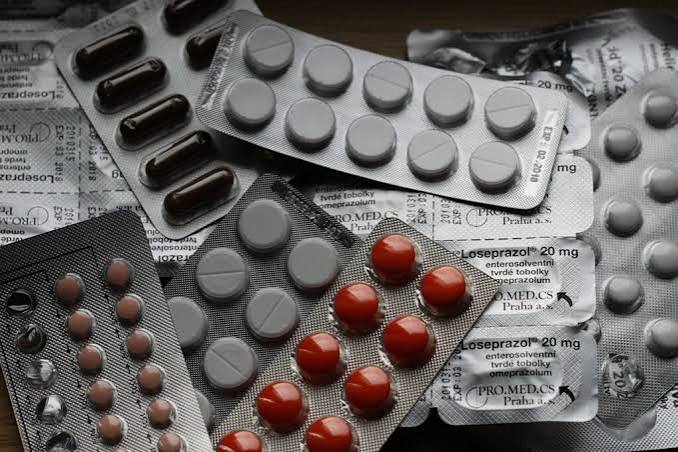
Why the Critical Medicines Act Matters
Europe currently imports a significant share of its pharmaceutical raw materials and APIs from global manufacturing hubs.
The Act aims to:
Strengthen pharmaceutical supply security
Encourage regional API manufacturing
Reduce dependency on overseas suppliers
Improve availability of essential medicines
Support long-term healthcare resilience
Promote investment in pharmaceutical production
These objectives are expected to improve Europe's preparedness for future healthcare emergencies.
Impact on API Manufacturers
The legislation could create new opportunities for pharmaceutical manufacturers operating within Europe.
Potential benefits include:
Increased investment in API production
Expansion of manufacturing capacity
Greater demand for European suppliers
Stronger public-private partnerships
Improved supply chain resilience
Long-term market stability
Manufacturers with established European production facilities may benefit from increased government support and growing domestic demand.
Expanding API production also increases demand for essential pharmaceutical excipients and processing chemicals. Products such as Propylene Glycol (USP Grade), Polyethylene Glycol (PEG), Mannitol, Sorbitol, Citric Acid, Glycerin, and Isopropyl Alcohol (IPA) are widely used in pharmaceutical manufacturing and formulation, making secure sourcing increasingly important as regional production grows.
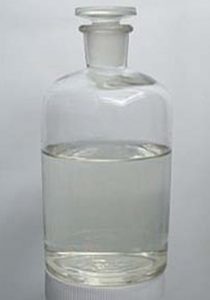
Isopropyl Alcohol (IPA) (99.7%) - China
Procurement Considerations
Pharmaceutical procurement teams should monitor how the legislation influences supplier availability and manufacturing capacity.
Key considerations include:
Regional supplier qualification
Long-term API sourcing agreements
Regulatory compliance
Supplier diversification
Manufacturing capacity expansion
Supply chain risk management
A balanced procurement strategy combining regional and global suppliers can improve resilience while maintaining supply flexibility.

Looking Ahead
The Critical Medicines Act signals Europe's long-term commitment to strengthening pharmaceutical manufacturing and reducing supply chain vulnerabilities. Although implementation will take time, the legislation is expected to encourage new investment in API production, critical medicines, and pharmaceutical infrastructure across the region.
For procurement professionals, early engagement with European manufacturers and diversified sourcing strategies will help prepare for future market developments while supporting reliable medicine supply.
Key Takeaways
The European Parliament has approved the Critical Medicines Act with strong support.
The legislation encourages regional production of APIs and essential medicines.
API manufacturers may benefit from increased investment and production opportunities.
Procurement teams should monitor new manufacturing capacity and supplier developments.
Diversified sourcing remains important for long-term pharmaceutical supply chain resilience.
Found this useful?