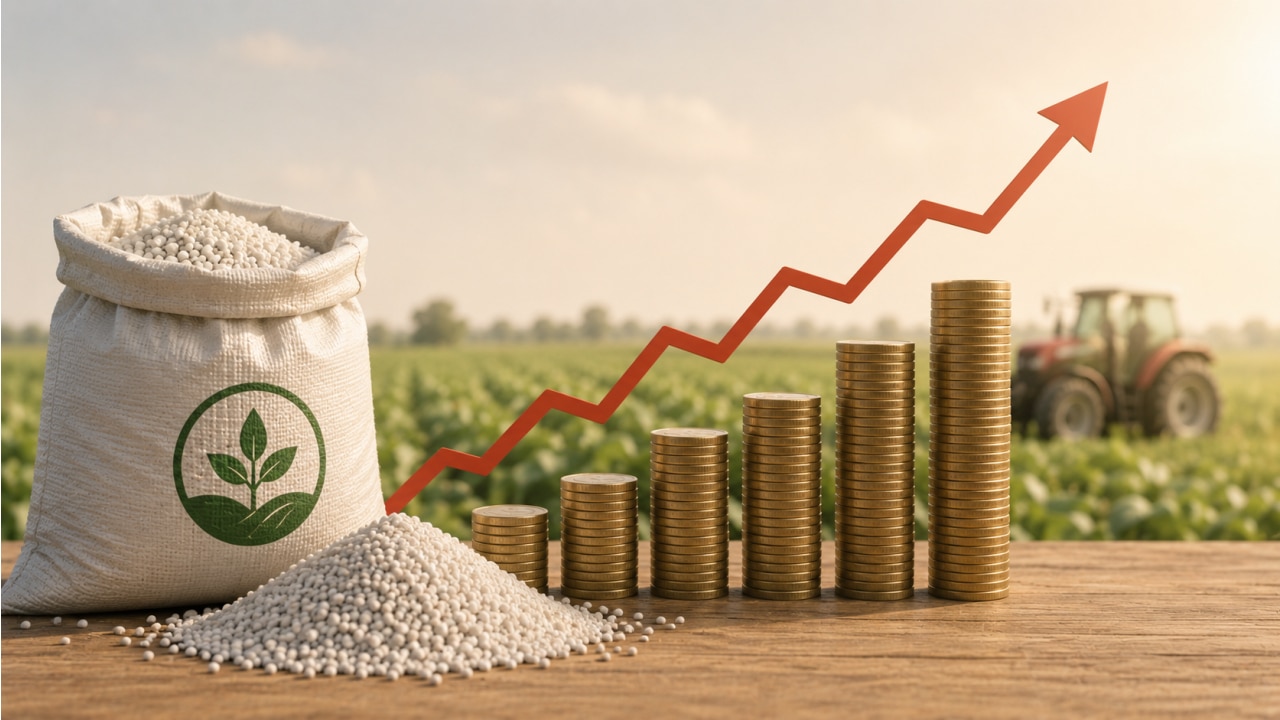
Fertilizer markets rarely move in a straight line. While governments may implement policies designed to strengthen domestic production, improve supply security and lower costs over time, geopolitical events, trade disruptions and commodity price swings can quickly offset short-term progress. The administration's long-term fertilizer strategy continues to move forward even as renewed market volatility complicates immediate price relief for farmers and agricultural businesses. For procurement professionals, fertilizer distributors and manufacturers, this highlights the importance of distinguishing structural policy improvements from temporary market fluctuations.
Fertilizers remain one of the most significant input costs in modern agriculture. Changes in pricing directly affect farm profitability, food production costs and long-term investment decisions. Although policy initiatives can improve market resilience over time, they often require years before their full benefits become visible. Meanwhile, global events continue influencing fertilizer prices through energy costs, transportation expenses and international trade conditions.
Long-Term Strategies Differ From Short-Term Market Responses
Governments frequently develop fertilizer policies with objectives extending well beyond immediate market conditions. These strategies aim to strengthen supply chains, encourage domestic production and reduce dependence on vulnerable international markets.
Long-term policy priorities often include:
Expanding domestic fertilizer manufacturing.
Supporting new production investments.
Improving supply chain infrastructure.
Encouraging market competition.
Strengthening agricultural resilience.
Unlike emergency market interventions, these initiatives focus on improving the structural health of the fertilizer industry rather than delivering immediate price reductions.
Understanding this distinction helps procurement professionals set realistic expectations when evaluating future market developments.
Why Fertilizer Prices Remain Volatile
Even with supportive government policies, fertilizer pricing remains closely linked to several global market variables.
Key influences include:
Natural gas prices.
International trade policies.
Shipping costs.
Raw material availability.
Currency fluctuations.
Seasonal agricultural demand.
Geopolitical developments.
Because these factors often interact simultaneously, fertilizer markets may experience periods of volatility even while domestic policy initiatives continue progressing as planned.
For procurement teams, monitoring both policy developments and global market conditions provides a more complete picture than focusing on either factor alone.
Domestic Production Supports Long-Term Stability
One of the most important objectives of long-term fertilizer policy is increasing domestic production capacity.
Additional domestic manufacturing can provide several advantages:
Reduced dependence on imports.
Greater supply reliability.
Improved response during global disruptions.
Shorter transportation distances.
Stronger regional supply chains.
Although expanding production requires significant investment and time, additional capacity can gradually improve market resilience and reduce exposure to international supply shocks.
For agricultural businesses, stronger domestic production may contribute to more stable pricing over the long term, even if short-term volatility remains unavoidable.
Procurement Planning Requires Both Tactical and Strategic Thinking
Procurement professionals must balance immediate purchasing needs with long-term sourcing strategies.
Successful procurement programmes typically combine:
Short-term market volatility may influence purchasing schedules, but strategic procurement decisions should also consider broader policy trends likely to shape future supply conditions.
Organizations that integrate both perspectives are generally better positioned to manage changing market environments.
Government Investment Can Strengthen Supply Chains
Beyond direct support for fertilizer production, many long-term agricultural strategies include investments in infrastructure and supply chain modernization.
These initiatives may improve:
Modern infrastructure helps reduce operational bottlenecks while improving the movement of fertilizer products from production facilities to agricultural customers.
Over time, these improvements can support lower logistics costs and more dependable product availability.
Supplier Diversification Remains Essential
While government policy can strengthen domestic production, procurement professionals should continue maintaining diversified supplier portfolios.
Diversification reduces exposure to disruptions arising from:
Maintaining relationships with multiple suppliers provides additional flexibility during periods of market uncertainty while supporting continuity of supply.
Organizations relying on diversified sourcing strategies often adapt more effectively when unexpected disruptions occur.
Policy Success Should Be Measured Over Time
Evaluating fertilizer policy based solely on short-term price movements may overlook broader structural improvements.
Long-term success should also consider:
Increased production capacity.
Greater supply resilience.
Improved market competition.
Infrastructure expansion.
Reduced dependence on imports.
Many policy initiatives require several years before measurable economic benefits become apparent.
Procurement teams should therefore assess both immediate pricing conditions and longer-term market developments when making investment and sourcing decisions.
Building a More Resilient Fertilizer Market
The continuation of long-term fertilizer policy despite renewed market volatility reflects a broader recognition that structural resilience cannot be achieved through short-term interventions alone. Stable supply chains require sustained investment, diversified production and coordinated planning across government and industry.
For fertilizer manufacturers, distributors and procurement professionals, this means balancing tactical purchasing decisions with strategic preparation for future market conditions.
Organizations that monitor policy developments, strengthen supplier relationships, diversify sourcing and invest in market intelligence will be better positioned to navigate temporary volatility while benefiting from long-term improvements in supply chain resilience.
Ready to source agricultural fertilizers from verified global suppliers? Explore competitive offers on our platform today.