
FDA Accepts Bayer Finerenone Filing for Chronic Kidney Disease Without Diabetes
The United States Food and Drug Administration recently accepted a supplemental New Drug Application for finerenone in chronic kidney disease without diabetes. This regulatory milestone follows the positive Phase III FIND-CKD trial results. The study demonstrated a slower estimated glomerular filtration rate decline and fewer cardio-kidney events compared to placebo.
This breakthrough significantly expands the commercial footprint of non-steroidal mineralocorticoid receptor antagonists. Pharmaceutical procurement teams must now prepare for increased manufacturing demand globally. The integration of this therapy into standard nephrology care requires precise supply chain coordination.
Manufacturers must secure high-purity chemical intermediates and pharmaceutical excipients to support this new indication. Sourcing strategies must adapt to the complex formulation requirements of advanced oral solid dosage forms.
Clinical Efficacy of Finerenone in the FIND-CKD Trial
The FIND-CKD trial established a new benchmark for modern nephrology treatment protocols. Patients receiving finerenone experienced a statistically significant slower decline in overall kidney function. The data validates the protective effects of mineralocorticoid receptor blockade in non-diabetic populations.
Cardio-kidney events decreased markedly compared to the standard placebo group. This dual benefit addresses a major unmet medical need in chronic kidney disease management. Clinicians will rapidly adopt this regimen for eligible patients showing early signs of renal decline.
This clinical success drives immediate commercial scaling requirements for the manufacturer. Pharmaceutical companies must accelerate their manufacturing timelines to meet projected patient demand globally. Procurement professionals must align their sourcing strategies with these aggressive production schedules.
Manufacturing Demands for Advanced Oral Solid Dosage Forms
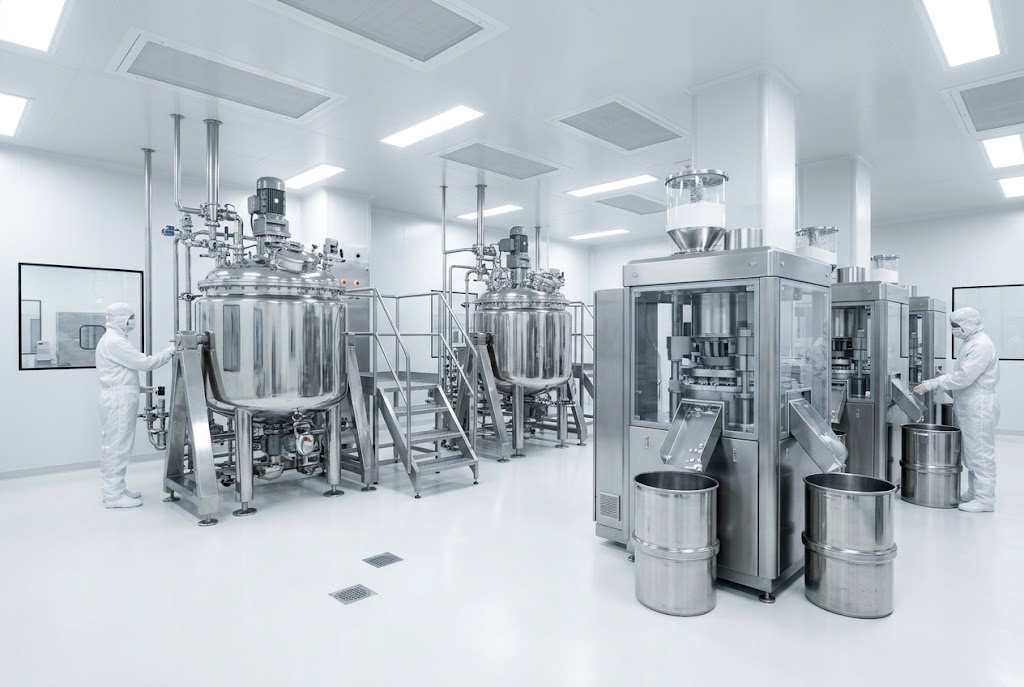
Producing advanced oral solid dosage forms requires highly specialized manufacturing infrastructure. Facilities must maintain strict adherence to current Good Manufacturing Practices at all times. The production process relies on a steady supply of high-purity raw materials.
Binders and disintegrants play a vital role in maintaining tablet integrity. Sourcing these components from reliable global suppliers remains absolutely essential. Manufacturers cannot compromise on the quality of these foundational chemical ingredients.
Tablet compression operations demand precise environmental controls and advanced monitoring systems. Facilities must minimize contamination risks at every stage of the manufacturing process. This requires advanced facility design and rigorous daily operational protocols.
Scaling up production for high-volume oral therapies presents unique engineering challenges. Facilities must optimize blending and granulation processes to ensure uniform drug distribution. Dedicated equipment and specialized HVAC systems are mandatory for these high-potency active pharmaceutical ingredients.
Key Raw Materials in Nephrology Formulations
The formulation of advanced nephrology drugs depends on a precise balance of active and inactive ingredients. Excipients ensure the drug remains stable during extended storage and clinical administration. Common requirements include high-purity buffering salts and specialized flow agents.
Suppliers must provide these materials with strict adherence to established pharmacopeial standards. Any variation in particle size or chemical purity can alter the final product performance drastically. Procurement teams must specify exact grade requirements in their formal purchasing contracts.
High-purity solvents are critical for synthesizing complex active pharmaceutical ingredients safely.
Specialized buffering agents maintain the precise pH required for long-term chemical stability.
Pharmaceutical grade lubricants prevent sticking during high-speed tablet compression operations.
Sourcing these materials requires rigorous vendor qualification processes across the supply chain. Buyers must evaluate supplier capacity, quality control systems and geographic stability thoroughly. Long-term supply agreements help secure consistent pricing and guaranteed material allocation during peak demand.
The Role of Excipients in Oral Solid Dosage Stability
Excipients serve as critical components of overall drug stability. They protect the active pharmaceutical ingredient from moisture and light degradation. Proper selection of these materials directly impacts the shelf life of the final product.
Citric acid monohydrate serves as a vital pH adjuster and chelating agent in many formulations. It prevents oxidation and maintains the chemical integrity of sensitive compounds. Sourcing this excipient requires strict verification of heavy metal limits and residual solvent profiles.
Magnesium stearate acts as a primary lubricant during the tablet compression phase. It ensures smooth ejection of tablets from the press dies without sticking. Procurement managers must source this material with precise particle size distributions to guarantee consistent blending.
Supply Chain Risks and Sourcing Challenges
The pharmaceutical supply chain faces unique vulnerabilities that procurement teams must actively manage. Geopolitical tensions and trade restrictions can disrupt the flow of critical raw materials. Single-source dependencies increase the risk of severe production delays.
Companies must diversify their supplier base to mitigate these operational vulnerabilities. Establishing secondary sourcing channels for key pharmaceutical ingredients ensures long-term resilience. Regular supply chain audits help identify potential bottlenecks before they escalate into crises.
Transportation logistics also present significant challenges for moisture-sensitive components. Manufacturers must maintain controlled humidity integrity from the raw material supplier to the final manufacturing site. Investing in robust logistics partnerships protects product quality and prevents financial losses.
Navigating Global Trade Dynamics for Pharmaceutical Ingredients
International trade policies heavily influence the availability of specialized chemical ingredients. Tariffs and export restrictions can suddenly alter regional supply availability for key markets. Diversifying the geographic origins of raw materials protects manufacturers against sudden market shifts.
Currency fluctuations can further complicate international procurement operations. Procurement managers should utilize financial hedging strategies to manage exposure effectively. Diversifying supplier locations across different economic zones provides an additional layer of financial protection.
Port congestion and freight capacity constraints can delay the arrival of bulk chemical shipments. Buyers should maintain strategic safety stock levels for critical raw materials. This buffer protects manufacturing schedules from external logistical shocks and ensures continuous production.
Quality Assurance and Regulatory Compliance
Pharmaceutical manufacturers must enforce rigorous quality assurance protocols at every stage of production. Regulatory agencies demand complete traceability for all raw materials and chemical intermediates. Suppliers must provide comprehensive certificates of analysis and adhere to international quality standards.
Any deviation in raw material quality can compromise the entire pharmaceutical batch immediately. Procurement professionals must prioritize suppliers with proven compliance records and transparent auditing processes. Building trust with suppliers facilitates smoother regulatory inspections and faster batch releases.
Continuous monitoring of supplier performance is a non-negotiable industry requirement today. Quality agreements should clearly define expectations and corrective action procedures for all parties. This proactive approach prevents costly batch rejections and unexpected production halts.
Regulatory bodies frequently update their guidelines for solid oral dosage manufacturing. Procurement teams must stay informed about these evolving compliance standards constantly. Adapting quickly to new regulations prevents costly operational disruptions and maintains uninterrupted market access.
Market Outlook for Non-Diabetic Chronic Kidney Disease Therapies
The successful progression of this regimen highlights the growing demand for targeted nephrology therapies. Chronic kidney disease without diabetes represents a significant clinical focus globally. As new treatments reach the market, competition will drive innovation in drug delivery and formulation.
Manufacturers will seek more efficient production methods to reduce overall operational costs. This dynamic environment creates opportunities for agile suppliers who can meet evolving technical specifications. Chemical traders who understand these specific pharmaceutical needs will capture greater market share.
The broader healthcare sector continues to prioritize innovative oral treatments. Investment in research and development will only accelerate this industry trend. Supply chain partners must scale their capabilities to match this sustained market growth.
Emerging markets will increasingly demand access to these advanced therapies. This global expansion will further strain existing raw material supply networks. Proactive capacity planning is essential for all stakeholders in the pharmaceutical value chain.
What Procurement Teams Need to Know
Procurement leaders must proactively adapt their strategies to support the next wave of nephrology therapeutics. Building strong relationships with qualified chemical and excipient suppliers is paramount. Teams should conduct regular risk assessments on their current supply networks.
Investing in supplier development programs can yield long-term stability and cost advantages. Early preparation ensures uninterrupted access to critical manufacturing inputs. Cross-functional collaboration between procurement, quality assurance and regulatory affairs is essential.
Aligned teams can respond faster to supply chain disruptions. This unity drives overall operational excellence in modern pharmaceutical manufacturing. Ready to source Citric Acid Monohydrate from verified global suppliers? Explore competitive offers on our platform today.
Source:
https://chemxplore.com/news/fda-accepts-finerenone-ckd-without-diabetes
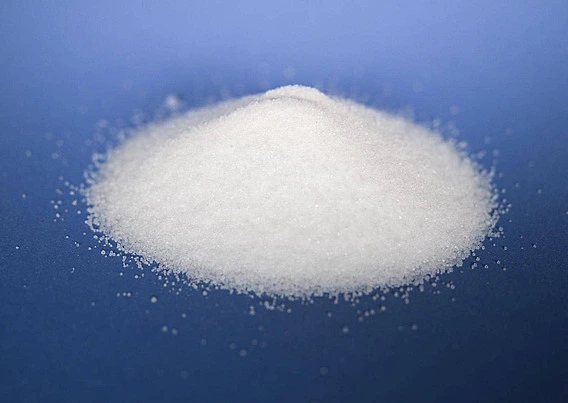
Citric Acid Monohydrate (E330)
Found this useful?