FDA PreCheck Program: The Regulatory Fast Lane for Reshored US Pharma Manufacturing
The FDA PreCheck Program is giving pharmaceutical manufacturers another reason to move US production projects from strategic planning into execution. The program offers earlier FDA engagement for companies developing new domestic pharmaceutical manufacturing facilities, creating a regulatory pathway that can reduce uncertainty during plant design and construction.
The timing matters.
A hard July 31, 2026 Section 232 tariff deadline has added an immediate financial incentive to the reshoring decision. Together, tariff pressure and earlier regulatory interaction are changing how manufacturers evaluate US plants, APIs and pharmaceutical supply chains.
For procurement teams, the shift extends beyond finished medicines. A domestic facility needs qualified APIs, intermediates, equipment and chemical inputs, creating new sourcing opportunities across the pharmaceutical supply chain.
FDA PreCheck Changes the Reshoring Calculation
Pharmaceutical manufacturing projects typically require major capital commitments long before commercial production begins.
Companies must design facilities, select equipment, establish manufacturing processes and prepare for regulatory requirements while managing substantial construction and validation costs.
FDA PreCheck adds earlier regulatory engagement to that process.
Rather than waiting until a facility is substantially complete before receiving meaningful regulatory feedback, participating manufacturers can engage with FDA earlier in the development of a new domestic site. That interaction can help companies identify regulatory considerations while design decisions remain easier to change.
For a manufacturer considering US production, that can reduce one of the major uncertainties surrounding a new plant.
Why the July 31 Tariff Deadline Matters
The regulatory incentive arrives alongside a much stronger commercial pressure.
Under the 2026 pharmaceutical tariff framework described in the supplied context, the July 31, 2026 deadline applies to large pharmaceutical companies facing the new Section 232 tariff regime.
That creates a clear decision point.
A company that continues importing covered pharmaceutical products and APIs needs to model the tariff impact. A company that builds domestic capacity can potentially reduce its exposure while gaining greater control over production.
The combination creates a powerful strategic equation:
Tariff exposure increases the cost of staying offshore, while FDA PreCheck can reduce uncertainty around moving production into the United States.
Reshoring Is Moving From Strategy to Construction
For years, pharmaceutical reshoring frequently appeared in corporate announcements as a long-term objective.
The economics now look different.
A 100% tariff on covered imported patented pharmaceuticals and associated APIs can materially change the return on domestic manufacturing investment. When companies combine that potential tariff cost with an earlier regulatory pathway, projects that previously looked difficult to justify can become more commercially attractive.
This does not mean every offshore plant will move to the United States.
Instead, manufacturers can prioritize products where the combination of US demand, tariff exposure and manufacturing complexity makes localization economically compelling.

Regulatory Timing and Construction Timing Must Align
A pharmaceutical facility cannot operate simply because construction finishes.
The company must also complete qualification, validation, regulatory engagement and manufacturing readiness activities.
That makes project sequencing essential.
FDA PreCheck can become particularly useful when regulatory feedback arrives while engineering and construction decisions remain flexible.
Companies can potentially avoid a common reshoring problem: building a facility around assumptions that later require expensive modifications.
The earlier regulatory interaction happens, the more opportunity the project team has to incorporate changes into the design.
The Economics Favor High-Value Products First
Not every pharmaceutical product justifies domestic manufacturing.
Companies are likely to prioritize products with the strongest economic rationale.
These may include:
High US sales volumes.
Significant tariff exposure.
Strategic therapeutic importance.
Long commercial lifecycles.
Limited alternative supply.
Complex APIs or manufacturing processes.
Strong demand from US healthcare providers.
A low-volume product with a short remaining lifecycle may not support a dedicated domestic plant.
A high-value patented medicine with substantial US demand could present a much stronger case.
Existing Plants Can Also Benefit From the Reshoring Push
The reshoring opportunity does not depend entirely on greenfield facilities.
Companies can expand existing US pharmaceutical plants, acquire manufacturing assets or partner with contract development and manufacturing organizations.
Those options may reduce the time and capital required to establish domestic production.
The key question becomes whether existing infrastructure can support the required product, process and regulatory requirements.
For procurement teams, existing domestic capacity may therefore become just as important as new plant construction.
Contract Manufacturers Could Gain Strategic Importance
Contract manufacturers can offer pharmaceutical companies a faster route into US production.
Instead of building an entirely new plant, a drugmaker can potentially use existing domestic capacity while developing its own long-term manufacturing footprint.
This model can be particularly attractive when tariff deadlines arrive before a greenfield facility can become operational.
A contract manufacturing strategy can also help companies test domestic production economics before committing substantial capital.
For chemical suppliers, that expands the potential customer base beyond traditional pharmaceutical manufacturers.
The Supply Chain Will Need More Domestic Suppliers
A new pharmaceutical facility creates demand far beyond the plant itself.
Domestic suppliers may see increased demand for:
Pharmaceutical-grade chemicals.
APIs.
Intermediates.
Excipients.
Process solvents.
Water-treatment chemicals.
Cleaning chemicals.
Specialty gases.
Laboratory materials.
The most attractive opportunities will often involve materials that require reliable long-term supply rather than simple spot purchases.
This favors suppliers capable of meeting pharmaceutical quality and documentation requirements consistently.
Importers May Need a Different Strategy
Reshoring does not eliminate international sourcing.
US pharmaceutical plants will continue importing many specialized materials where domestic alternatives remain limited or uneconomic.
Importers can therefore remain important, but their role may change.
Instead of supplying complete production chains from overseas, traders may increasingly provide selected ingredients that complement a more localized US manufacturing network.
That could produce a more diversified procurement model rather than a complete shift away from imports.
Dual Sourcing Could Become the Preferred Model
Full reshoring can be expensive.
Full offshore dependence carries increasing trade and geopolitical risk.
Dual sourcing offers a middle path.
A pharmaceutical manufacturer might maintain an established overseas API supplier while qualifying a US producer as a second source. This approach can preserve international manufacturing economics while creating a domestic contingency option.
The same strategy can apply to intermediates and other critical chemical inputs.
For procurement managers, dual sourcing can therefore become an important bridge between today's global supply chain and tomorrow's more localized manufacturing model.
FDA PreCheck Does Not Remove Qualification Requirements
Earlier regulatory engagement can reduce uncertainty, but it does not eliminate the underlying requirements for pharmaceutical manufacturing.
Companies still need robust quality systems, validated processes, appropriate controls and compliant facilities.
The commercial value of the program comes from improving the development process, not bypassing regulatory standards.
That distinction matters for project planning.
Manufacturers should view PreCheck as a way to integrate regulatory considerations into facility development rather than as a shortcut around approval requirements.
The Tariff and Regulatory Strategies Reinforce Each Other
The strongest feature of the 2026 reshoring environment is the interaction between separate policy pressures.
A tariff can make imports more expensive.
A regulatory program can make domestic facility development more predictable.
Together, they can shift the investment equation.
This is especially significant for pharmaceutical companies that already have large US markets but rely heavily on overseas manufacturing.
The tariff creates the financial pressure while PreCheck can help address one of the practical barriers to building locally.
India and China Will Remain Important Parts of the API Market
US reshoring does not mean Indian or Chinese API manufacturers disappear from global pharmaceutical supply chains.
Both countries have extensive pharmaceutical and chemical manufacturing ecosystems.
Instead, US companies may increasingly divide their sourcing between strategic domestic capacity and international suppliers.
That could create more sophisticated regional supply networks.
An API could continue to originate in Asia for lower-risk or tariff-protected products while domestic US production supports products where trade exposure is particularly high.
What Procurement Teams Should Evaluate in 2026
Pharmaceutical procurement departments should integrate tariff and facility planning into the same supply-chain review.
A practical assessment should include:
Map tariff exposure: Identify imported APIs and finished products affected by the Section 232 framework.
Prioritize products: Rank products according to US revenue, tariff exposure and commercial lifecycle.
Review domestic capacity: Identify existing plants and contract manufacturers that could support localization.
Assess API availability: Determine which critical APIs and intermediates have viable US sources.
Engage suppliers early: Discuss capacity reservations and potential domestic production before projects reach procurement stages.
Model dual sourcing: Compare domestic, international and hybrid supply structures.
Coordinate regulatory planning: Align procurement timelines with facility design and FDA engagement.
This approach helps procurement teams support reshoring without sacrificing supply continuity.
Chemical Traders Have a New Role in Pharmaceutical Reshoring
The reshoring trend creates opportunities for chemical trading platforms because manufacturers will need to locate reliable suppliers across a wider range of inputs.
A domestic plant may require hundreds of chemical materials with different specifications and purchasing volumes.
The challenge is not simply finding a supplier.
The supplier must meet pharmaceutical quality expectations, provide consistent documentation and maintain dependable delivery.
Trading platforms that can connect buyers with verified suppliers can help reduce the time required to build these new supply networks.
Looking Ahead to 2027
The real test of the reshoring push will come after announcements become operating facilities.
By 2027, pharmaceutical companies will have more information about which projects secured investment, which facilities entered construction and which domestic production strategies proved commercially viable.
FDA PreCheck could become an important part of that transition by helping manufacturers integrate regulatory planning earlier into facility development.
The July 31, 2026 tariff deadline also marks a significant change in the decision-making environment. Companies that once viewed US manufacturing primarily as a resilience initiative now have a direct financial reason to evaluate localization.
For procurement professionals, that means the pharmaceutical supply chain is becoming more regional, more diversified and more closely tied to regulatory strategy.
The Bottom Line for Pharmaceutical Procurement Teams
The FDA PreCheck Program arrives at a moment when pharmaceutical manufacturers face unusually strong incentives to reconsider where they make drugs and APIs. The July 31, 2026 Section 232 deadline adds immediate tariff pressure, while earlier FDA engagement can give companies greater visibility during the development of new domestic facilities.
The biggest opportunity lies in connecting these developments. Manufacturers that combine US production planning with domestic API sourcing, dual-source strategies and early regulatory engagement can build supply chains that are less exposed to tariffs and overseas disruption.
For chemical traders and procurement teams, the reshoring cycle creates demand for reliable US suppliers as well as international partners capable of supporting a diversified manufacturing network. The companies that map these requirements early will be better positioned as pharmaceutical production investment moves from announcements into operating capacity.
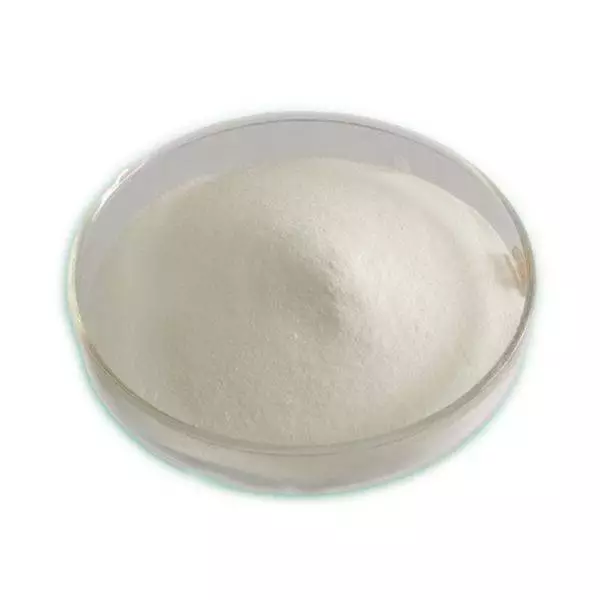
D-Calcium Pantothenate (Vitamin B5)
Found this useful?