Fertilizer Contaminants: Cadmium, Heavy Metals, and the EU Fertilizer Regulation
Phosphate fertilizers are essential for global agriculture, supplying phosphorus that supports root development, flowering, and crop productivity. However, phosphate rock—the primary raw material used to manufacture phosphate fertilizers—naturally contains trace amounts of cadmium and other heavy metals. The concentration of these contaminants varies depending on the geological origin of the phosphate deposit.
To improve environmental protection and food safety, the EU Fertilising Products Regulation (EU) 2019/1009 introduced harmonized contaminant limits for CE-marked fertilizing products. Among these, cadmium has become one of the most closely monitored parameters for phosphate fertilizers entering the European market.
For agrochemical procurement professionals, fertilizer importers, and distributors, cadmium compliance is no longer just a quality consideration—it is a mandatory sourcing requirement that must be verified through supplier documentation and batch-level testing.
Why Cadmium Matters in Phosphate Fertilizers
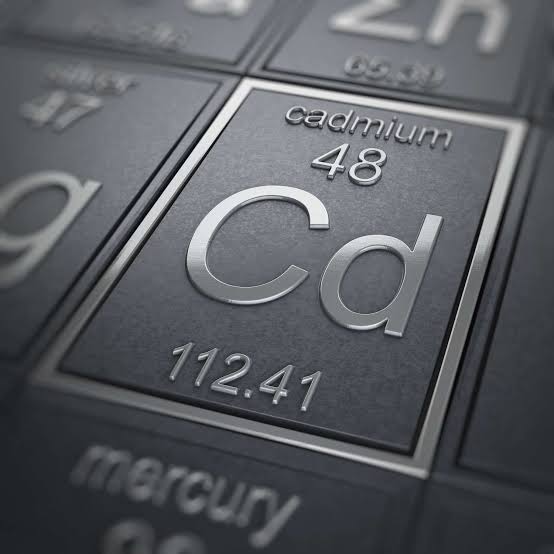
Cadmium is a naturally occurring heavy metal found in varying concentrations within phosphate rock deposits.
Because phosphate fertilizers are manufactured from mined phosphate rock, small amounts of cadmium may remain in the finished product unless reduced through processing or sourced from naturally lower-cadmium deposits.
Managing cadmium levels is important because long-term accumulation in agricultural soils may have environmental and regulatory implications.
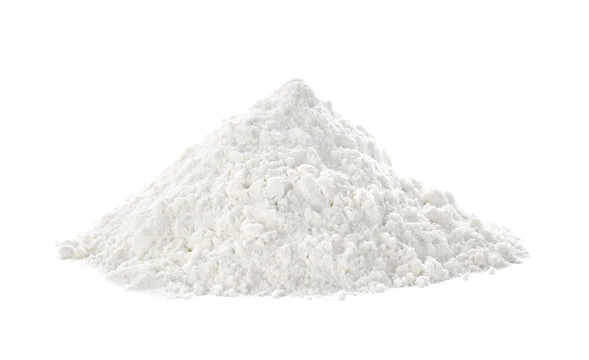
Ammonium Polyphosphate
The EU Fertilising Products Regulation
The EU Fertilising Products Regulation (EU) 2019/1009 established common rules for CE-marked fertilizing products sold within the European Union.
The regulation includes requirements covering:
Product safety
Quality standards
Labeling
Conformity assessment
Contaminant limits
Cadmium limits are one of the key compliance requirements for phosphate fertilizers placed on the EU market.
Cadmium Limits Under the Regulation
The regulation introduced a phased approach to reducing allowable cadmium concentrations in phosphate fertilizers.
Regulatory Timeline
Effective Year | Maximum Cadmium Limit |
|---|---|
2022 | 60 mg Cd/kg P₂O₅ |
2026 | 40 mg Cd/kg P₂O₅ |
2036 | 20 mg Cd/kg P₂O₅ |
The 40 mg Cd/kg P₂O₅ limit represents the current regulatory requirement under the phased schedule described in the regulation.
Why Cadmium Levels Differ
Cadmium concentrations vary naturally between phosphate rock deposits.
Factors influencing cadmium levels include:
Geological formation
Mineral composition
Mining location
Ore quality
Some phosphate rock sources naturally contain lower cadmium concentrations than others, making source selection an important consideration for manufacturers and buyers.
Other Heavy Metals
Although cadmium receives significant regulatory attention, phosphate fertilizers may also contain trace amounts of other naturally occurring elements.
Depending on applicable regulations and product specifications, manufacturers may monitor:
Lead
Arsenic
Mercury
Chromium
Nickel
Monitoring helps support product quality and regulatory compliance.
Procurement Implications
Cadmium compliance directly affects sourcing decisions for phosphate fertilizers intended for EU markets.
Supplier Qualification
Procurement teams should verify that suppliers consistently produce fertilizers meeting applicable cadmium requirements.
Historical compliance does not automatically guarantee compliance with future regulatory limits.
Batch-Level Verification
Cadmium compliance should be confirmed through appropriate batch documentation and analytical testing where required.
Batch verification provides confidence that products meet contractual and regulatory specifications.
Origin Assessment
Understanding the origin of phosphate rock can help evaluate potential contaminant profiles during supplier qualification.
However, procurement decisions should always rely on verified analytical data rather than origin alone.
Contract Specifications
Purchase agreements should clearly define contaminant specifications, testing requirements, and documentation expectations.
This reduces uncertainty throughout the supply chain.
Documentation
Important procurement documents may include:
Certificate of Analysis (COA)
Technical specifications
Regulatory declarations
Product conformity documentation
Maintaining complete documentation supports import compliance and customer confidence.
Why Supplier Selection Is Becoming More Important
The reduction from 60 mg/kg to 40 mg/kg means that some fertilizer products previously meeting earlier requirements may require additional evaluation under the current limit.
As regulations continue to evolve, procurement professionals should regularly review supplier performance, analytical results, and regulatory updates to ensure ongoing compliance.
Best Practices for Procurement Professionals
Effective procurement begins with a structured compliance process.
Recommended practices include:
Verify Current Regulatory Requirements
Stay informed about applicable contaminant limits for target markets.
Review Analytical Data
Evaluate Certificates of Analysis for each production batch where appropriate.
Qualify Suppliers Carefully
Work with manufacturers that maintain strong quality assurance and traceability systems.
Maintain Documentation
Retain complete compliance records to support imports and customer requirements.
Monitor Regulatory Developments
Future regulatory updates may introduce additional contaminant requirements or revised limits.
Long-Term Outlook
As environmental standards continue to evolve, contaminant management will remain an important aspect of fertilizer manufacturing and international trade. Manufacturers are expected to invest further in raw material selection, quality control, and processing technologies to meet increasingly stringent regulatory requirements.
For agrochemical procurement professionals, understanding cadmium compliance is essential for responsible sourcing and long-term supplier qualification. By combining robust supplier evaluation with batch-level verification and thorough documentation, buyers can reduce regulatory risk while ensuring consistent access to compliant phosphate fertilizer products.
Key Takeaways
Cadmium is a naturally occurring contaminant found in phosphate rock used to manufacture phosphate fertilizers.
The EU Fertilising Products Regulation (EU) 2019/1009 establishes phased cadmium limits for CE-marked phosphate fertilizers.
The current regulatory limit is 40 mg Cd/kg P₂O₅, following the scheduled reduction from 60 mg/kg.
Cadmium concentrations vary naturally by phosphate rock source, making supplier qualification and analytical verification essential.
Procurement teams should rely on batch-level testing, Certificates of Analysis, and complete regulatory documentation to support compliance.
Found this useful?