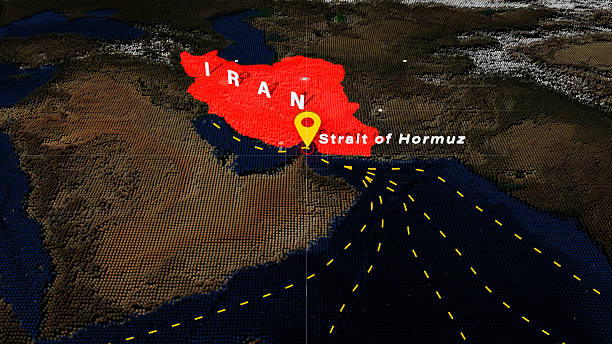
Hormuz Strait Traffic Drops to Single Digits Again
Current Traffic Situation
Recent satellite data and AIS reports indicate that daily vessel traffic through the Strait of Hormuz has fallen to a single digit, mirroring the lows witnessed during the 2020 geopolitical flare‑up. Out ويتم 24‑hour average of less than 15 vessels has been recorded, a dramatic drop from the 120–150 daily movements typical in 2023. The decline is driven by a combination of heightened regional tensions, new safety protocols, and a shift in shipping routes to avoid perceived risk zones.
Implications for Chemical Shipping
The Strait is a critical corridor for chemical tankers transporting crude oil, petrochemicals, and specialty chemicals from the Middle East to Asia and Europe. With only a handful of vessels passing each day, the turn‑around time for cargo handover has increased by 30–40%. Chemical exporters are reporting delays in receiving feedstock, which in turn raises production lead times for downstream manufacturers. The bottleneck also pushes market prices upward, as scarcity of transport capacity translates into higher freight rates.
Fertilizer Export Challenges
Fertilizer producers relying on the Hormuz route for exporting phosphates and nitrogen fertilizers face a two‑fold problem: longer transit times and higher shipping costs. Many fertilizer shipments are scheduled on tight delivery windows to meet crop cycles in Europe and the Americas. The reduction in tanker movements forces exporters to consolidate cargoes, delaying shipments by several days and risking spoilage or contract penalties. In addition, the cost of alternative routes—such as the Cape of Good Hope—has surged, further inflating the landed cost of fertilizers.
Shipping Schedule Adjustments
Shipping companies are adopting offers of flexible scheduling and increased reliance on intermodal transfers. Container lines are shifting to longer “en‑route” transits, stacking additional cargoes on tankers to make the most of each single passage through the strait. Some operators have begun imposto of “buffer days” into their master calendar, allowing a 2‑day cushion for unforeseen delays. This practice, while mitigating risk, leads to higher inventory carrying costs for shippers and more complex logistics planning for freight forwarders.
Alternative Routes and Their Trade‑Offs
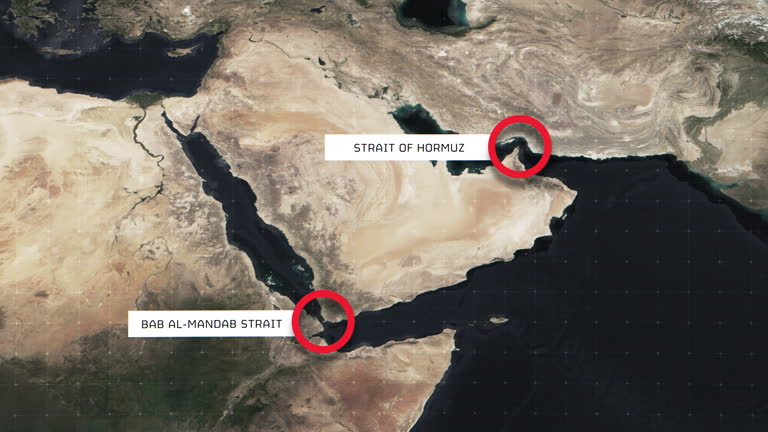
While the Suez Canal remains an option for many vessels, it presents its own challenges: higher canal tolls, limited berth availability, and a longer route around Africa. Shipping analysts suggest that the cost differential is becoming a decisive factor for shippers who can absorb higher transport times. The current situation also encourages the use of multimodal transport, combining rail or inland waterways with sea legs to bypass the bottleneck entirely.
Procurement Planning Adjustments
Procurement managers must now factor in the new capacity constraints into their supply‑chain models. Key strategies include:
Early Booking – Securing vessel space 6–12 months ahead of the required delivery window.
Inventory Buffering – Maintaining higher safety stocks for critical raw materials.
Supplier Diversification – Engaging with multiple suppliers across different geographic corridors to reduce single‑point risk.
Dynamic Pricing Models – Incorporating freight rate volatility into procurement cost forecasts.
Looking Ahead: What Could Change the Landscape?
Several factors could alter the current trajectory of vessel traffic:
Geopolitical De‑Escalation – A thaw in regional tensions could quickly restore traffic levels.
Infrastructure Upgrades – Expansion of the Hormuz corridor to accommodate more vessels safely.
Technological Adoption – Advanced surveillance and route‑planning software can mitigate risks, encouraging more shippers to use the strait.
Policy Interventions – International maritime bodies may introduce safety incentives or regulatory relief to stimulate traffic.
The return to single‑digit vessel traffic through the Strait of Hormuz represents a significant logistical hurdle for the global chemical and fertilizer industries. While the current bottleneck is temporary, its ripple effects on shipping schedules, freight costs, and procurement strategies are profound. Stakeholders must remain agile, investing in contingency planning and exploring alternative routes to mitigate the impact on supply chains. As the maritime community watches the geopolitical climate closely, the hope remains that stability will soon restore the strait to its historical throughput, easing the flow of vital commodities worldwide.

Ascorbic Acid
Found this useful?