Ranking 2026's Biggest Pharma M&A Sprees: Lilly's Multi-Deal Quarter Stands Out
Eli Lilly has emerged as one of the most active large pharmaceutical buyers in 2026, using acquisitions to strengthen several parts of its pipeline rather than relying on a single therapeutic area. Its deals have included Ajax Therapeutics, adding a differentiated JAK2 inhibitor program, and other transactions targeting oncology and genetic medicines. This activity reflects a broader strategy of using external innovation to supplement Lilly's internally developed pipeline.
Ajax Became One of the Year's Notable Deals
Lilly's acquisition of Ajax Therapeutics for up to $2.3 billion gave the company control of AJ1-11095, a first-in-class Type II JAK2 inhibitor being developed for myelofibrosis. The deal was particularly notable because Lilly had already participated in Ajax's earlier financing, meaning the acquisition followed an existing investment relationship rather than starting from scratch. (lilly.gcs-web.com)
Gene Therapy Adds Another Pipeline Dimension
Lilly's dealmaking has also extended beyond conventional small-molecule oncology assets. The company has continued building exposure to genetic medicines and advanced therapeutic platforms, reflecting the industry's increasing competition for differentiated clinical-stage assets. This diversification allows Lilly to pursue multiple potential sources of future growth while its existing blockbuster portfolio continues to expand.
Why Concentrated M&A Matters
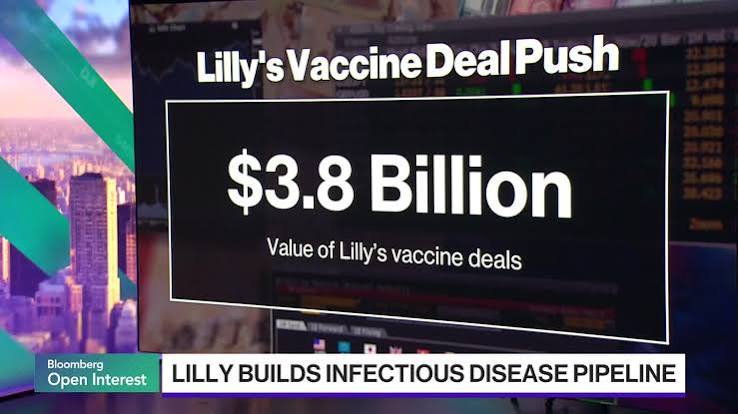
A concentrated acquisition period can signal that a pharmaceutical company sees an opportunity to strengthen its pipeline before competitors secure the same assets. For Lilly, the approach is particularly relevant as pharmaceutical companies face long development timelines and future patent-expiry pressures. Buying promising assets at the clinical stage can potentially reduce the time required to build entirely new programs internally.
Lilly Is Not Operating in Isolation
Other major pharmaceutical companies have also pursued aggressive M&A in 2026, making the competitive environment increasingly intense. Large transactions across oncology, immunology, rare diseases and genetic medicines demonstrate that companies are competing not only for marketed products but also for earlier-stage platforms with potential to produce multiple future therapies.
The Strategic Advantage of Multiple Deals
Lilly's multi-deal approach provides an important distinction from a single transformative acquisition. By spreading capital across different technologies and therapeutic areas, the company can potentially reduce dependence on any one clinical program. At the same time, this strategy carries development and integration risks because not every acquired asset will ultimately deliver the expected clinical or commercial returns.
The Intelligence Takeaway
Lilly's 2026 activity is best viewed as a pipeline-building M&A strategy rather than simply a spending spree. Ajax demonstrates how Lilly can identify promising programs early, invest alongside other backers and later acquire the company when clinical evidence strengthens. If Lilly continues adding oncology and genetic-medicine assets at this pace, its 2026 dealmaking could become a useful benchmark for how large pharmaceutical companies are using M&A to accelerate pipeline renewal.

Alkyd Resin - Long Oil
Found this useful?